
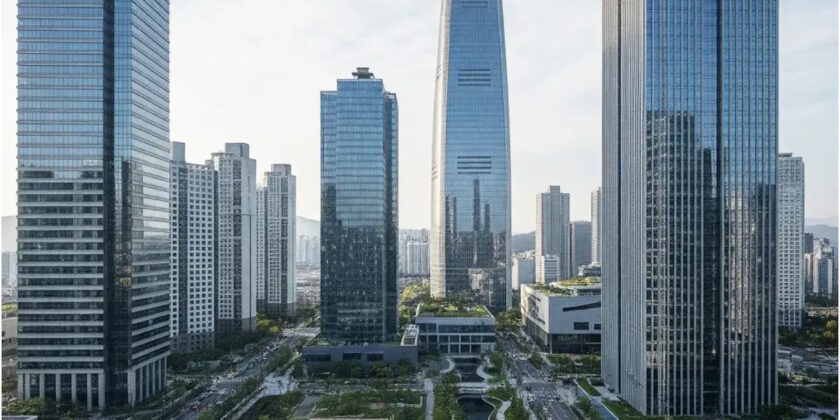

AI, IoT, and Blockchain: The Convergence Shaping Urban Governance
The Internet of Things provides the senses of the city. Millions of connected sensors gather continuous data on air quality, mobility, energy use, and infrastructure performance. This vast network…
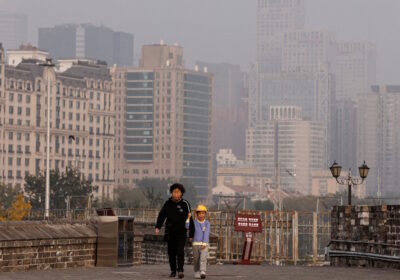
China’s Blue Sky Transformation: How Beijing Reduced Air Pollution in Just Over a Decade
For much of the early twenty-first century, Beijing stood as one of the most emblematic examples of the environmental contradictions of accelerated urban growth, because while it represented the extraordinary…
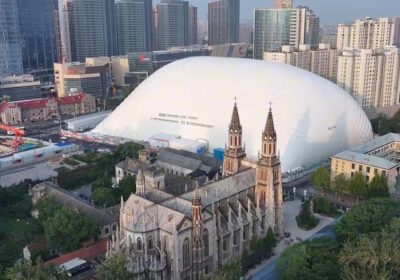
Why China Is Beginning to Cover Construction Sites with Giant Inflatable Domes
China’s accelerated urban transformation over the last three decades has created one of the most intense construction environments in modern history, as the expansion of transport infrastructure, commercial districts, residential…
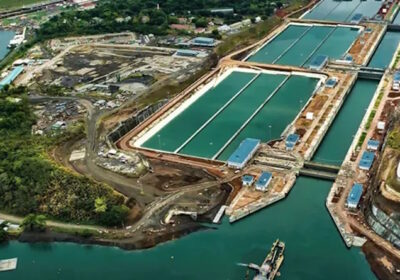
Water Management in the Context of Urban Growth and Informality in Colombia’s Main Cities
The transformation of Colombia’s urban landscape over the last seven decades has been one of the most profound structural changes in the country’s modern history, and nowhere are its consequences…

Red Light, Urban Ecology, and the Future of Biodiversity-Centered Street Infrastructure
The transformation of urban infrastructure in the twenty-first century increasingly requires cities to move beyond purely human-centered engineering models and toward a more integrated understanding of how built environments interact…

From Traditional Urban Management to Data-Driven Governance
The transformation of a city into a Smart City cannot be understood merely as the modernization of roads, utilities, or public services through digital technologies. Rather, it must be interpreted…