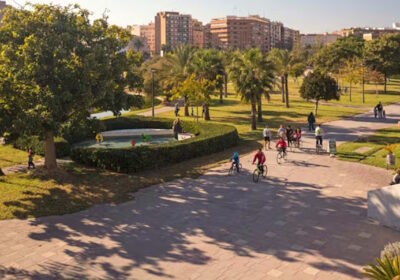
Beijing’s transformation from one of the world’s most polluted capitals into a global case study in urban air-quality recovery represents one of the most significant environmental achievements of recent decades. In just over a decade, the city has combined industrial reform, intelligent mobility policies, and large-scale electrification to dramatically reduce harmful emissions
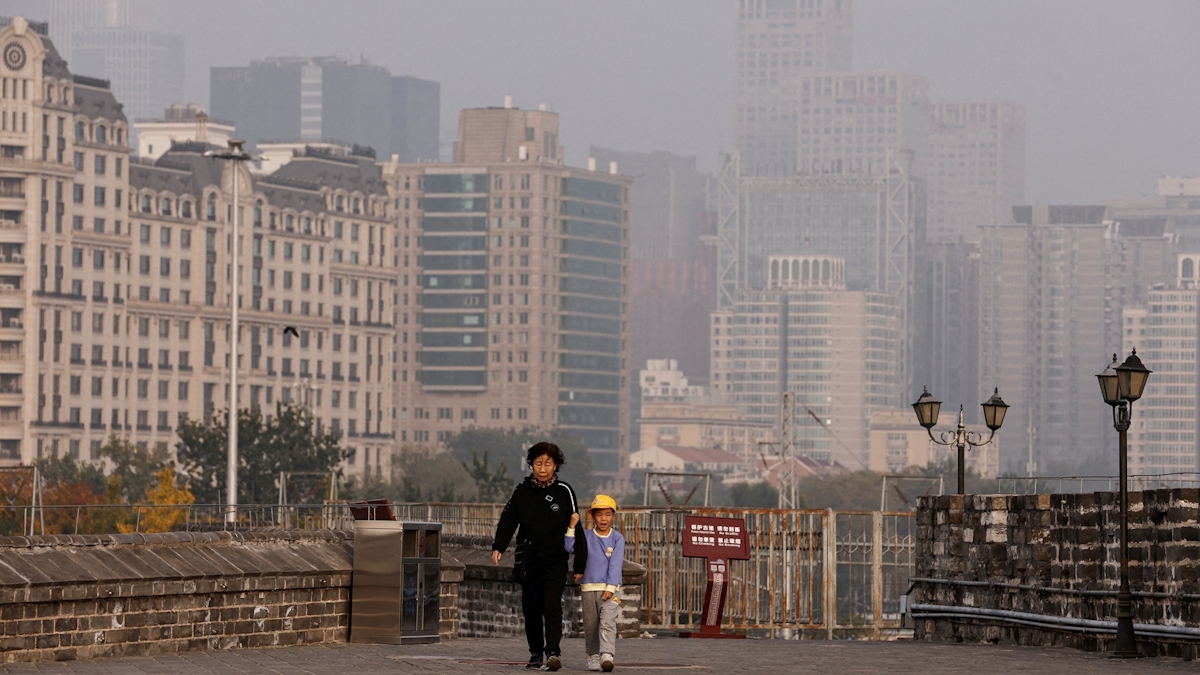
For much of the early twenty-first century, Beijing stood as one of the most emblematic examples of the environmental contradictions of accelerated urban growth, because while it represented the extraordinary economic rise of modern China, it also became internationally associated with dense smog, severely limited visibility, and levels of airborne particulate matter that posed a serious threat to public health, urban productivity, and long-term sustainability. During the years that followed China’s rapid industrial expansion and mass motorization, the capital frequently experienced pollution episodes so severe that the skyline itself seemed to disappear behind a persistent grey veil, with PM2.5 concentrations reaching levels far above international health recommendations and often disrupting schools, outdoor activities, transport operations, and the daily routines of millions of residents.
The scale of the transformation that has taken place between 2013 and 2025 is, in urban environmental terms, one of the most remarkable pollution-reduction stories of the contemporary era. Official figures show that Beijing’s annual average PM2.5 concentration fell from 89.5 micrograms per cubic meter in 2013 to 27 micrograms in 2025, marking the first time the city has gone below the threshold of 30 micrograms since monitoring began. Although the percentage reduction is mathematically closer to approximately 70% in concentration terms rather than 98%, the decline in the number of severe pollution days is indeed close to that higher figure, with only one day of heavy pollution recorded in 2025 compared with dozens of such episodes each year in the early 2010s.
From Structural Crisis to Urban Policy Turning Point
The decisive turning point came in 2013, a year that is often remembered as the symbolic beginning of Beijing’s “war for blue skies.” At that time, pollution had become not merely an environmental issue but a central political, economic, and public health concern. The city’s development model, heavily dependent on industrial activity, coal combustion, construction growth, and an expanding private vehicle fleet, had reached a point where the environmental costs were no longer socially or institutionally sustainable.
In response, Chinese authorities launched one of the most ambitious urban air-quality intervention strategies ever implemented in a major metropolitan area. Rather than relying on isolated short-term measures, the city adopted a long-range structural approach that integrated environmental regulation, transport reform, industrial modernization, and technological monitoring systems. This integrated governance framework is one of the main reasons why the improvement has been sustained over time rather than being the result of a temporary meteorological fluctuation.
Transport Reform and Vehicle Restrictions as an Urban Strategy
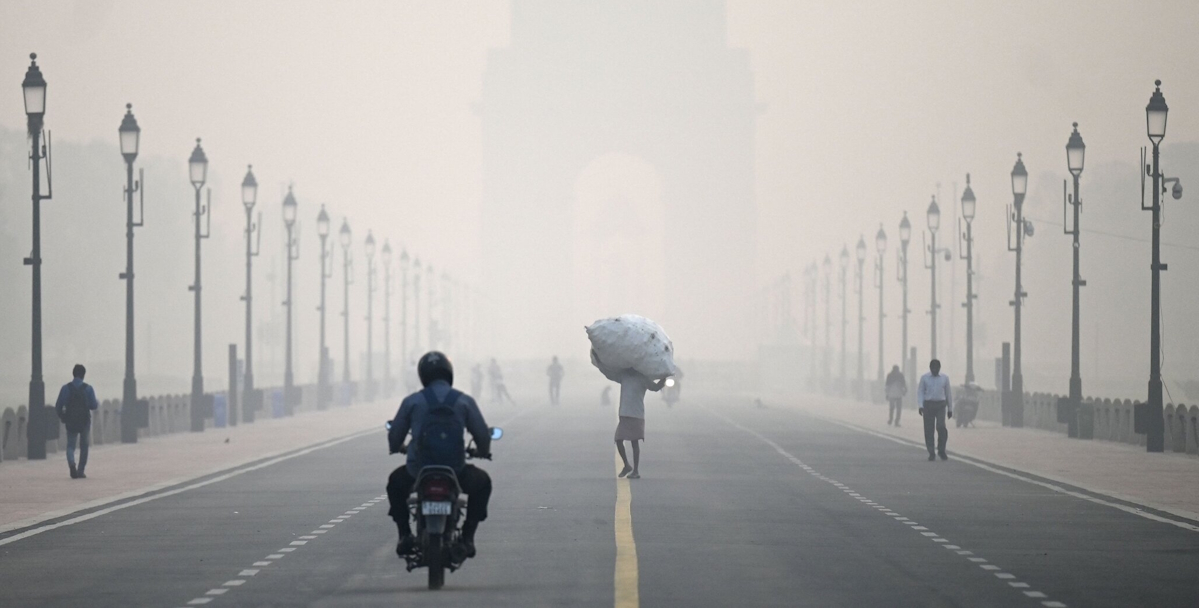
One of the most visible dimensions of this transformation has been the restructuring of urban mobility. Beijing progressively withdrew older, high-emission vehicles from circulation, introduced stricter emissions standards for new cars equivalent to advanced European benchmarks, and reinforced traffic-control systems during high-pollution episodes, including the well-known odd-even license plate restrictions.
At the same time, the city understood that restricting traffic without offering alternatives would be politically and operationally insufficient, and therefore massively expanded its public transport network. The metro system, already one of the largest in the world, continued to grow both in line coverage and operational capacity, while bus networks, intermodal hubs, and last-mile mobility systems were redesigned to reduce private-car dependency.
A practical example of this can be seen in the electrification of urban buses and taxis. Thousands of combustion-engine buses were gradually replaced by electric fleets, reducing localized emissions in some of the city’s most densely populated corridors. This is especially significant because buses, due to their continuous operation across long daily routes, historically contributed disproportionately to urban particulate emissions.
The Role of Electric Vehicles and Charging Infrastructure
Another decisive factor has been the accelerated adoption of electric vehicles, an area in which China has become a global leader. By 2025, electric and plug-in hybrid vehicles represented more than half of new vehicle registrations nationwide, while Beijing exceeded that average due to local incentives, privileged circulation access, and large-scale charging infrastructure deployment.
This transition was not simply technological but deeply urban in nature. The installation of extensive charging networks in residential districts, business zones, transport hubs, and public parking facilities made electric mobility a viable mass-market option. In practical terms, this means that many daily commuting trips that once depended on gasoline-powered vehicles are now carried out through low-emission systems, directly reducing NOx, PM2.5 precursors, and secondary particulate formation.
Industrial Relocation and Heavy Emissions Control
Equally important has been the control of industrial pollution sources. Beijing and the wider Beijing-Tianjin-Hebei metropolitan region historically concentrated major steel, cement, and heavy manufacturing activities, all of which contributed substantially to particulate emissions.
A major part of the clean-air strategy involved relocating or modernizing heavy industries, enforcing ultra-low emission standards, and reducing coal dependency in both industrial and residential heating systems. In practical terms, many coal-fired facilities either transitioned to cleaner energy sources such as natural gas and electricity or were moved away from densely urbanized zones.
This regional perspective is crucial because air pollution in megacities cannot be understood solely within municipal boundaries. Atmospheric pollutants travel across metropolitan regions, meaning that Beijing’s improvement also depended on coordinated regional governance rather than isolated city-level action.
Health, Urban Quality of Life, and International Significance
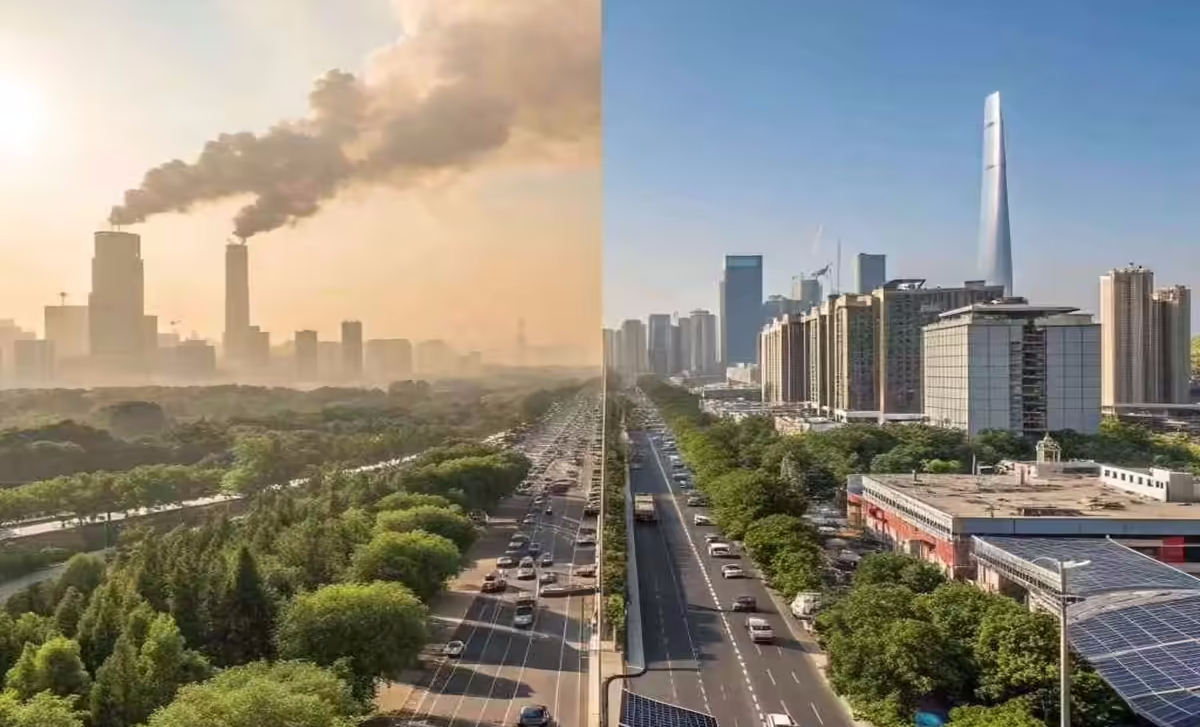
The urban implications of this transformation go far beyond environmental statistics. A reduction in PM2.5 concentrations translates directly into lower risks of respiratory disease, cardiovascular conditions, reduced hospital admissions, and improved life expectancy. Studies suggest that China’s broader anti-pollution strategy has already generated significant health gains for the population.
Moreover, the symbolic dimension is equally important. The transition from a city globally associated with smog to one increasingly defined by blue-sky days reshapes international perceptions of urban governance capacity, technological modernization, and environmental leadership.
Beijing still remains above the more stringent guidelines recommended by the World Health Organization, and challenges persist, particularly regarding ozone pollution, regional industrial emissions, and climate-related atmospheric variability. However, the speed, scale, and policy coherence of this transformation constitute one of the most relevant urban management case studies of the last decade, offering lessons for other rapidly growing metropolitan regions facing similar environmental pressures.
In the context of Smart Cities and sustainable urban transformation, Beijing’s case demonstrates that large-scale environmental recovery is possible when mobility policy, industrial regulation, data-driven monitoring, and long-term governance are aligned within a coherent strategic framework.