
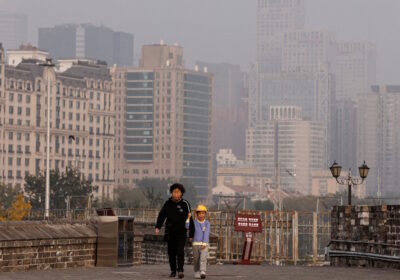
China’s Blue Sky Transformation: How Beijing Reduced Air Pollution in Just Over a Decade
For much of the early twenty-first century, Beijing stood as one of the most emblematic examples of the environmental contradictions of accelerated urban growth, because while it represented the extraordinary…
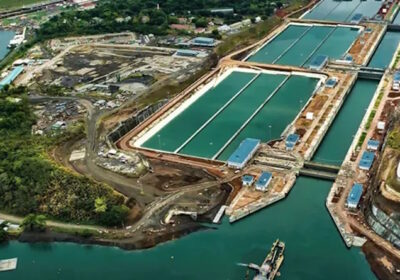
Water Management in the Context of Urban Growth and Informality in Colombia’s Main Cities
The transformation of Colombia’s urban landscape over the last seven decades has been one of the most profound structural changes in the country’s modern history, and nowhere are its consequences…

Red Light, Urban Ecology, and the Future of Biodiversity-Centered Street Infrastructure
The transformation of urban infrastructure in the twenty-first century increasingly requires cities to move beyond purely human-centered engineering models and toward a more integrated understanding of how built environments interact…
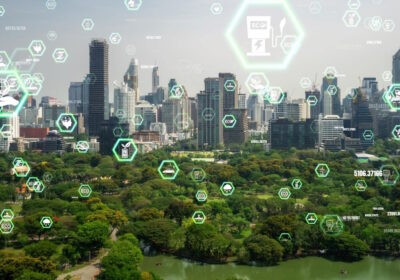
Environmental Monitoring and Urban Transformation: Artificial Intelligence at the Core of Smart Cities
Urban environments, as complex socio-technical systems, are undergoing a fundamental transformation driven by the convergence of data, connectivity, and artificial intelligence (AI). These interconnected, dynamic systems are not merely expanding…
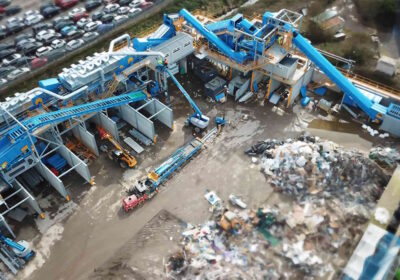
Waste Management 4.0: How Artificial Intelligence Is Transforming Urban Waste Systems
Modern cities are generating more waste than at any other point in history. Population growth, rising consumption, urban densification, and increasingly complex product lifecycles have turned waste management into one…
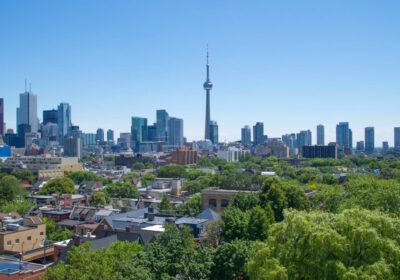
AI for Carbon Neutral Cities: Predictive Models for Emission Reduction
Cities are at the heart of the climate challenge. They occupy less than two percent of the Earth’s surface, yet they consume over 75 percent of global energy and generate…