When Wealth Determines Access to Urban Nature: Environmental Inequality in the Age of Smart Cities and Artificial Intelligence

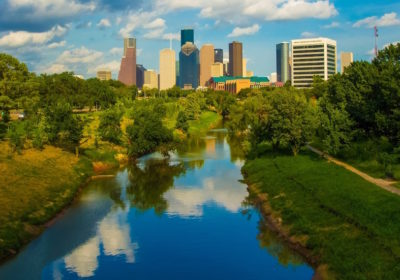
When Wealth Determines Access to Urban Nature: Environmental Inequality in the Age of Smart Cities and Artificial Intelligence

  Although the rapid expansion of urban areas is one of the most significant threats to global biodiversity, the presence of nature within cities remains a critical component for human well-being and urban resilience. Urban green spaces offer essential ecosystem services, such as temperature regulation, flood prevention, air purification, and psychological benefits associated with access to natural environments. However, these advantages are not equitably distributed…
Read the rest
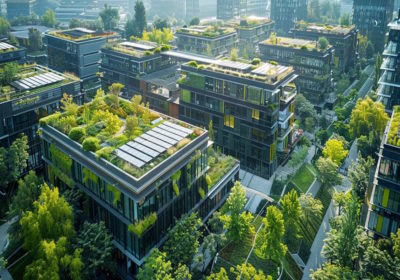
How Digitalization and Artificial Intelligence Can Transform Cities into Net Zero Urban Environments

How Digitalization and Artificial Intelligence Can Transform Cities into Net Zero Urban Environments

Urban centers, while occupying less than 2% of the Earth's land surface, are responsible for an overwhelming 78% of global energy consumption and approximately 70% of greenhouse gas emissions, according to UN-Habitat. With more than half of the world’s population already residing in cities—and forecasts indicating that this trend will only intensify—urbanization stands as both a critical driver of economic development and a central contributor…
Read the rest