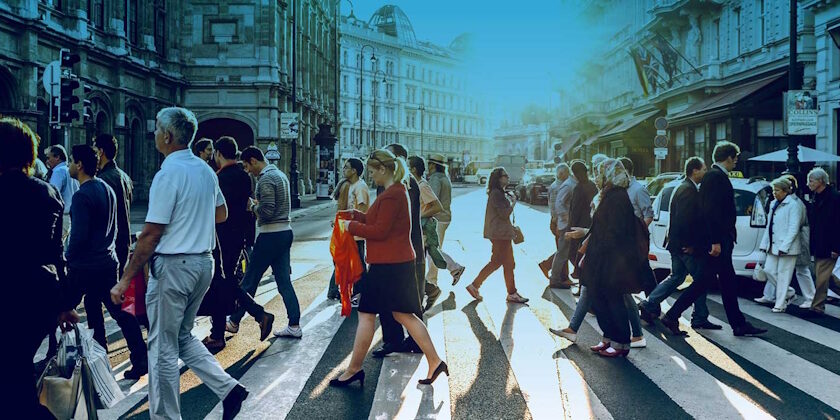
As artificial intelligence becomes a central pillar of urban management, cities are gaining extraordinary new capabilities. AI helps predict traffic, optimize energy use, monitor pollution, and even guide public investment. Yet behind these technical achievements lies a crucial question: are the algorithms governing our cities fair? The idea of the ethical city, one that uses intelligence responsibly, transparently, and inclusively, is becoming one of the most urgent debates in the age of smart urbanism. Every AI system learns from data. And data, no matter how…
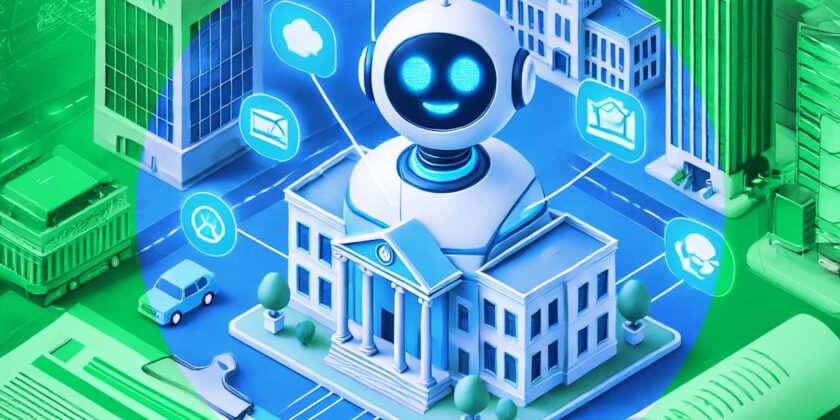
Public administrations are often perceived as slow, complex, and difficult to access. Citizens wait in lines, fill out forms, and navigate bureaucratic websites in search of information that should be immediate. Yet, in an era where artificial intelligence can hold fluent conversations, generate text, and understand context, these barriers are no longer necessary. Across the world, municipalities are beginning to deploy AI-powered conversational agents ,virtual assistants designed to provide 24/7 citizen assistance, that are transforming how local governments interact with their communities. A conversational agent…
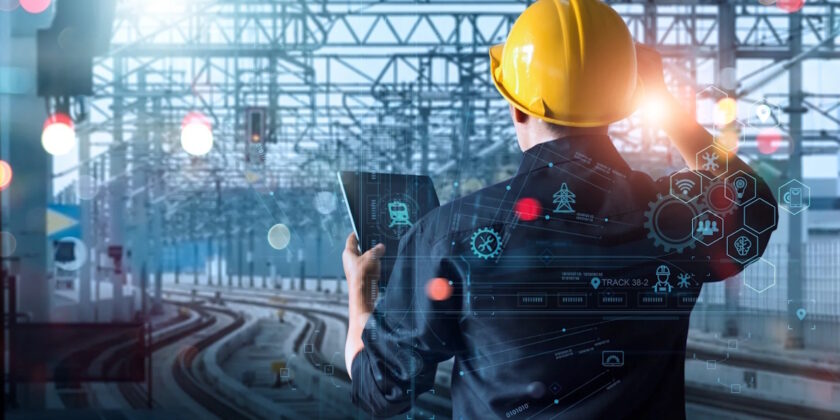
Every bridge, tunnel, and building in a city tells a story , not just of design and construction, but of aging, stress, and constant adaptation to the forces of nature and human activity. Urban infrastructure is the skeleton of the modern city, and keeping it safe and reliable is one of the most complex engineering challenges of our time. Traditionally, maintenance has relied on scheduled inspections, human expertise, and manual diagnostics. But as cities expand and infrastructures age, this approach is becoming unsustainable. Enter machine…
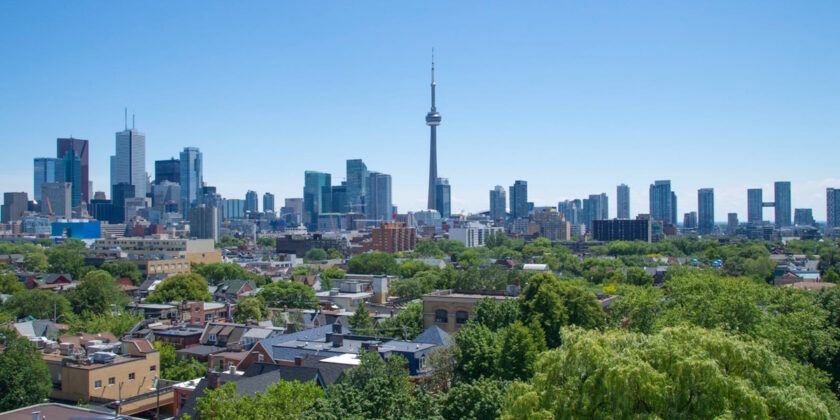
Cities are at the heart of the climate challenge. They occupy less than two percent of the Earth’s surface, yet they consume over 75 percent of global energy and generate around 70 percent of greenhouse gas emissions. Achieving carbon neutrality ,a balance between emitted and absorbed CO₂, has therefore become one of the defining goals of 21st-century urban policy. While renewable energy and sustainable mobility are key pillars, artificial intelligence is emerging as the invisible engine that connects, predicts, and optimizes all aspects of the…
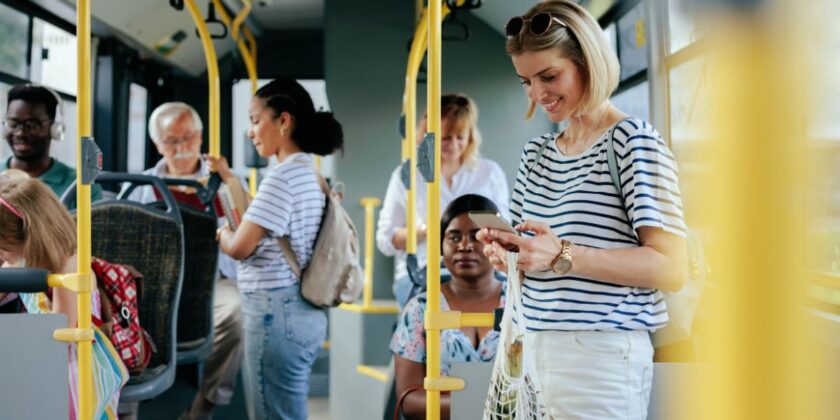
Public transportation is the backbone of urban life. Every day, millions of people depend on buses, trams, metros, and trains to move through the complex arteries of the city. Yet, managing that flow efficiently has always been one of the biggest challenges in urban planning. Demand fluctuates with the hour, the weather, the economy, and even social events. Traditional forecasting models, based on historical averages or linear trends, can no longer capture this dynamic reality. This is where deep learning comes in, bringing unprecedented precision…
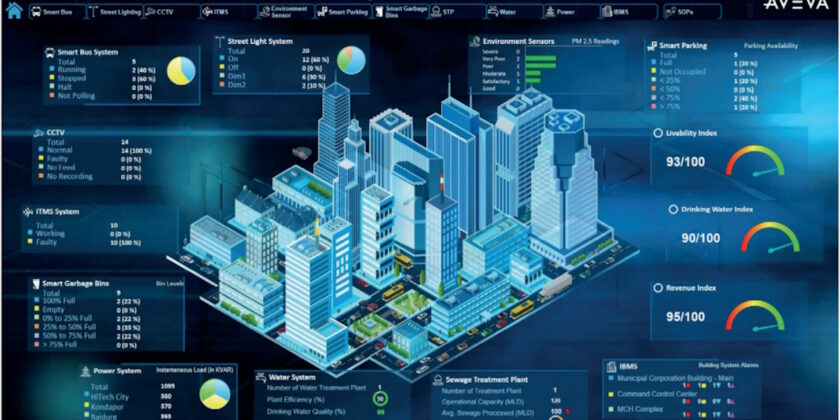
In the past, urban planning relied heavily on maps, models, and projections. Today, cities are embracing a more powerful tool, one that doesn’t just represent the physical world but mirrors it in real time. This tool is the digital twin, a dynamic, data-driven replica of the city that allows planners, engineers, and policymakers to simulate, analyze, and predict urban behavior before it unfolds in the real world. Digital twins are rapidly becoming the nervous system of smart cities, transforming how we design, manage, and experience…
Cities have always reflected human behavior, our needs, routines, and ambitions are written into their streets and skylines. But what if cities could do more than reflect us? What if they could learn from us? The emerging field of cognitive urbanism explores this question, envisioning cities as adaptive systems that evolve through continuous interaction with their inhabitants. Fueled by artificial intelligence, data analytics, and behavioral science, this approach is redefining the relationship between humans and the urban environment. Cognitive urbanism sees the city not as…