
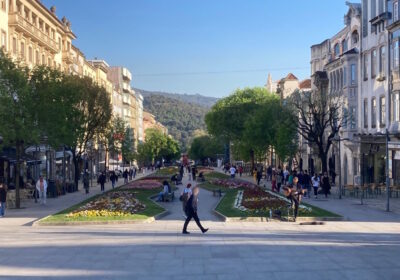
A Data-Driven Vision for Safer and More Livable Streets in Braga
Braga, one of the fastest-growing urban centers in Portugal, stands today at a critical intersection between historical continuity and contemporary urban transformation, as it faces the complex challenge of adapting…
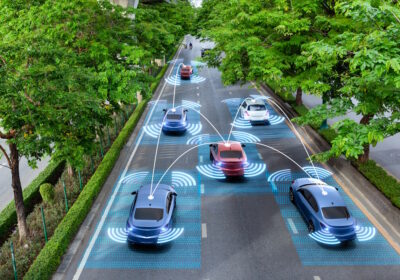
Connected Vehicles and Smart Infrastructure: Building Cooperative Mobility Networks for Smart Cities
The next phase of urban mobility is defined less by the performance of individual vehicles and more by the computational integration of vehicles, infrastructure, and public systems into a coordinated…
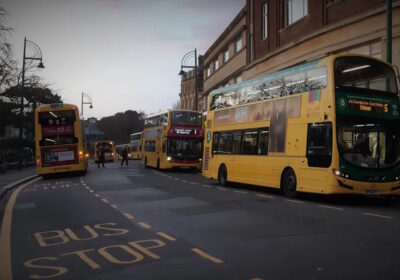
Dynamic Bus Routing: How Artificial Intelligence Is Redefining Public Transportation
Public transportation has always been a delicate balance between efficiency, reliability, and simplicity. Fixed routes and timetables have historically provided predictability for passengers and operators alike, but they also impose…

Deep Learning for Public Transport Demand Forecasting
Public transportation is the backbone of urban life. Every day, millions of people depend on buses, trams, metros, and trains to move through the complex arteries of the city. Yet,…
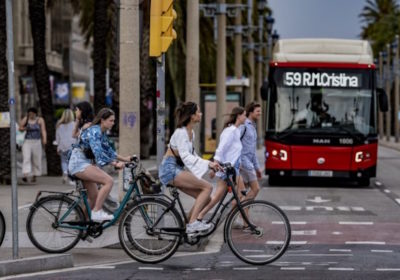
Transforming Urban Mobility Through Data and Artificial Intelligence: Evidence, Analysis, and Strategic Decisions
The evolution of urban mobility within the framework of smart cities is undergoing a paradigm shift—one that is increasingly driven by data and powered by the exponential capabilities of…

Lighting the Way Forward: The Evolution of Bicycle Illumination Systems and the Transformative Role of Artificial Intelligence in Smart Cities
As the world embraces a new era of urban transformation, the bicycle has reemerged as a key player in the transition toward sustainable, inclusive, and human-centered mobility. Its ecological…