Braga is redefining how historic cities can respond to modern mobility challenges through a data-driven and human-centered approach to street design. By moving beyond traditional models of shared space and embracing a more structured allocation of urban space, the city is exploring new ways to enhance safety, accessibility, and urban quality. This initiative illustrates how analytical tools and strategic planning can transform constrained environments into more livable and efficient urban systems.
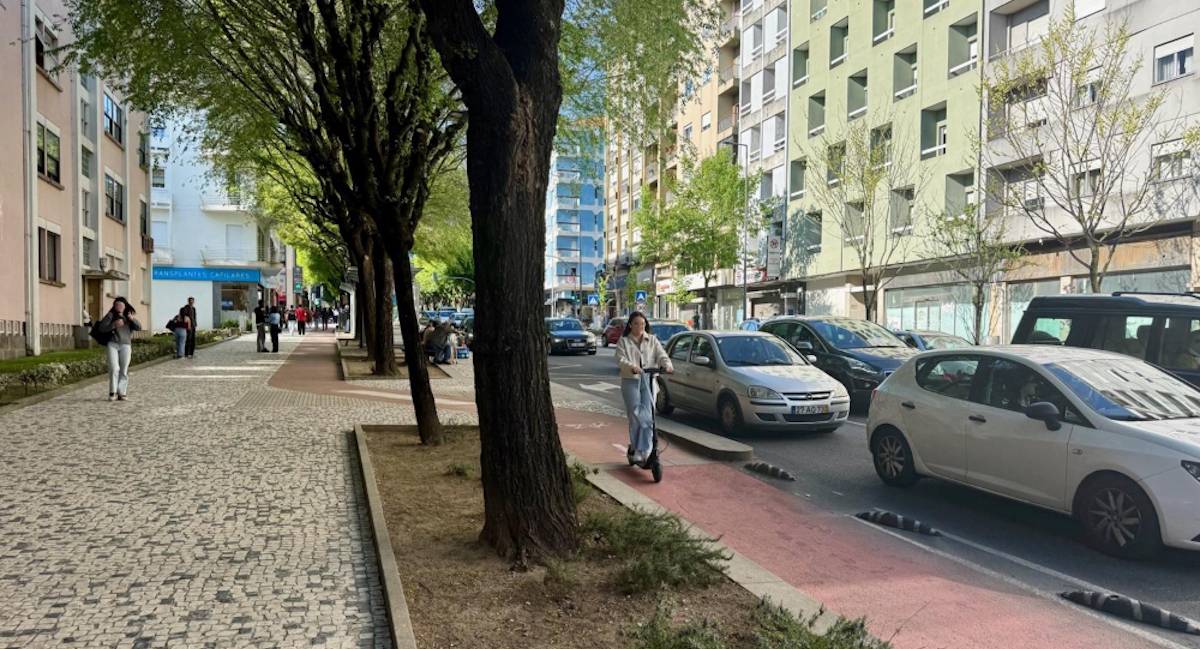
Braga, one of the fastest-growing urban centers in Portugal, stands today at a critical intersection between historical continuity and contemporary urban transformation, as it faces the complex challenge of adapting a dense and centuries-old street network to the accelerating demands of population growth, increased mobility flows, and evolving patterns of urban life, all while preserving the cultural identity and spatial character that define its historic core.
From Historic Fabric to Contemporary Mobility Pressures
The city’s urban morphology, which has been shaped over centuries through incremental development rather than modern planning principles, was never designed to accommodate the intensity and diversity of current mobility demands, including rising levels of car ownership, the expansion of public transport systems, and the growing presence of active mobility modes such as cycling and walking, which are increasingly promoted as essential components of sustainable urban development strategies across Europe.
In this context, Braga reflects a broader European reality, where medium-sized historic cities must reconcile the preservation of narrow streets, limited public space, and heritage-sensitive environments with the need to ensure accessibility, safety, and efficiency for a diverse range of users, particularly in central areas where economic activity, tourism, and daily life converge in highly concentrated urban spaces.
A Strategic Intervention Grounded in Data and Field Analysis
Earlier this month, the organization Lane Patrol carried out a comprehensive field audit across key areas of Braga, conducting detailed observations and spatial analyses that were integrated into a broader project supported by the Automobile Club of Portugal (ACP), under the framework of the FIA – International Automobile Federation’s Safe and Sustainable Mobility Grant Programme, funded by the FIA Foundation, which aims to promote evidence-based interventions that improve road safety and urban mobility outcomes in cities worldwide.
The results of this audit, which were subsequently presented to the Municipality of Braga, outlined a strategic approach that goes beyond isolated interventions and instead proposes a systemic rethinking of how urban space is allocated, managed, and experienced, particularly within the historic center, where competing demands for space often lead to inefficiencies, safety risks, and reduced urban quality.
From Forced Mixing to Spatial Harmony
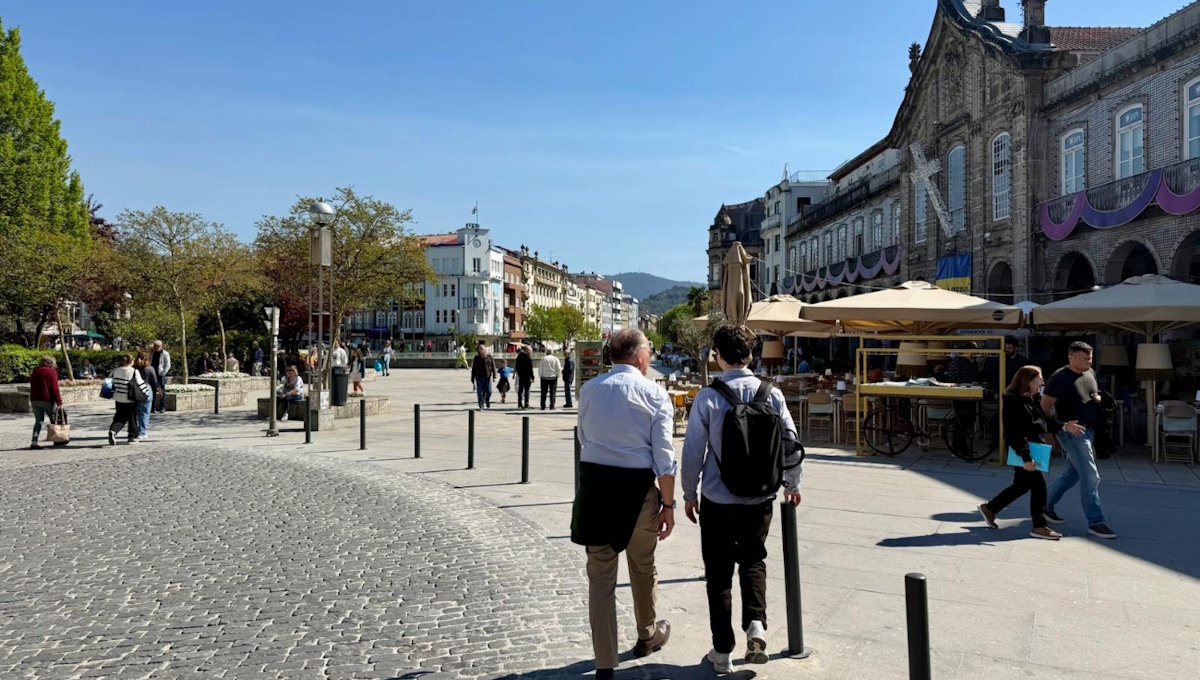
At the conceptual core of the proposal lies a fundamental shift in mobility design philosophy, moving away from what is described as the “forced mixing” of transport modes—where pedestrians, cyclists, and motor vehicles are required to coexist within the same constrained space without clear spatial organization—toward a model of what Lane Patrol defines as “spatial harmony,” in which each mode is allocated dedicated and appropriately designed space that reflects its specific characteristics, speeds, and safety requirements.
This transition is particularly significant because, in many historic European cities, the traditional approach of shared space has often resulted in unintended conflicts, especially in areas with high pedestrian density, where the presence of vehicles, even at reduced speeds, can generate safety concerns and diminish the quality of the urban experience, whereas a more structured spatial distribution can simultaneously enhance safety, improve traffic flow, and create more legible and comfortable environments for all users.
Analytical Tools and Evidence-Based Planning
The robustness of the proposal is reinforced by the integration of advanced analytical tools, including CycleRAP, a methodology developed within the International Road Assessment Programme framework to assess cycling risk and infrastructure quality, and DQ Flows simulations, which model traffic and mobility patterns under different scenarios, thereby enabling planners to understand not only current conditions but also potential future dynamics under various intervention strategies.
Through the application of these tools, the project identifies specific corridors and zones within Braga where latent demand for active mobility already exists, often evidenced by informal cycling patterns or pedestrian congestion, as well as areas where targeted interventions—such as the introduction of protected cycling lanes, traffic calming measures, or the reallocation of road space—could generate significant improvements in safety and accessibility, thus maximizing the impact of relatively limited investments.
Reimagining the Cycling Network Beyond Infrastructure
One of the most notable aspects of the proposed strategy is its emphasis on developing a coherent and high-quality cycling network that is not merely a collection of isolated bike lanes, but rather an integrated system that connects key urban destinations, aligns with existing mobility flows, and respects the architectural and cultural context of the city, thereby avoiding the common pitfall of implementing infrastructure that is technically correct but socially or spatially disconnected from the urban fabric.
In practical terms, this means prioritizing interventions in areas of high strategic value, such as Rua do Souto and Avenida Central, where pedestrian activity is particularly intense and where the careful design of space allocation can significantly enhance both safety and urban vitality, for example by introducing clearly defined pedestrian zones, segregated cycling paths, and controlled vehicle access, thus reducing friction between different users while maintaining the economic and social vibrancy of these central corridors.
Balancing Accessibility, Safety, and Urban Quality
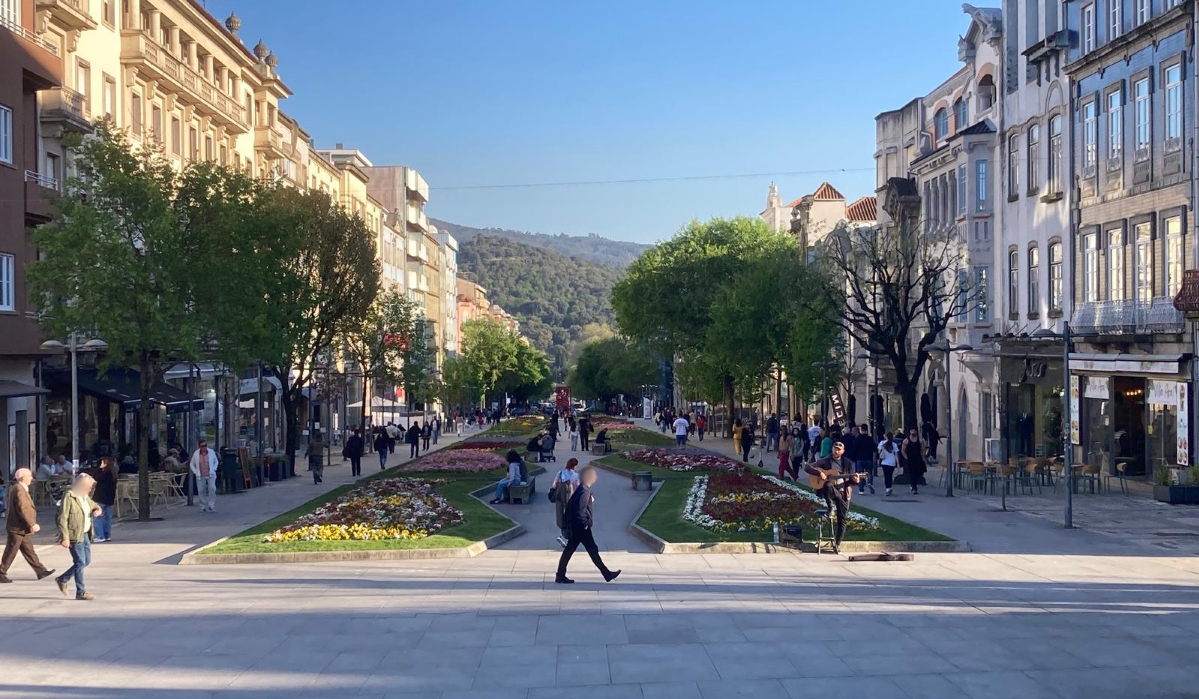
The approach adopted in Braga explicitly recognizes that urban space is inherently limited and that any intervention involves trade-offs, particularly in historic environments where expanding physical capacity is not an option, and therefore proposes a structured decision-making framework that allows policymakers to evaluate different scenarios based on data, user needs, and long-term strategic objectives, rather than relying on ad hoc or politically driven decisions.
This framework is particularly relevant in situations where, for instance, reallocating road space from cars to pedestrians and cyclists may initially face resistance from certain stakeholders, yet can ultimately lead to measurable benefits, such as reductions in traffic accidents, improvements in air quality, and increased commercial activity, as has been observed in numerous European cities where similar transformations have been implemented.
A Replicable Model for Data-Driven Urban Transformation
The collaboration between Lane Patrol, ACP, and local stakeholders in Braga highlights the importance of combining technical expertise, institutional support, and community engagement in the design and implementation of urban mobility strategies, demonstrating that effective transformation is not solely a matter of infrastructure investment, but also of governance, communication, and the ability to build consensus around a shared vision of the city’s future.
In this sense, Braga’s initiative can be understood not only as a local intervention, but as part of a broader shift toward data-driven urbanism, in which decisions are increasingly informed by empirical evidence, advanced analytics, and a holistic understanding of urban systems, offering a replicable model for other cities facing similar challenges, particularly those with historic centers, limited space, and growing pressure to transition toward safer, more sustainable, and more human-centered mobility paradigms.