

AI-Driven Traffic Lights: Reducing Congestion with Intelligent Algorithms
The principle is simple but revolutionary. Instead of following preprogrammed schedules, AI-controlled traffic lights use machine learning algorithms to analyze data from sensors, cameras, and connected vehicles. These systems detect…

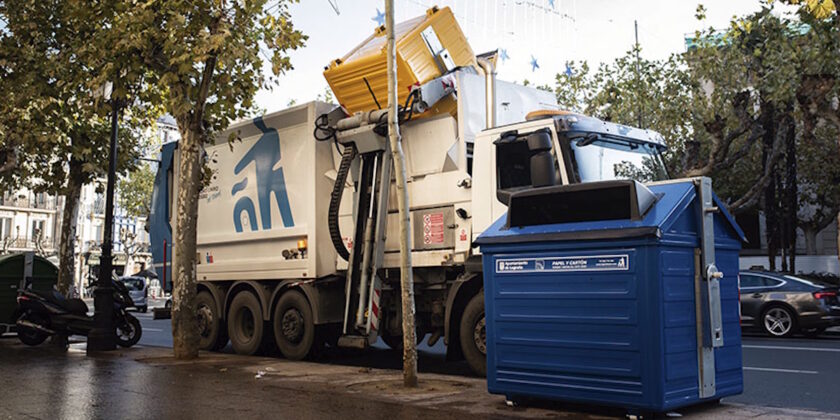
Deficient Waste Management in Africa: A Structural Crisis with Hidden Economic Costs
The growing accumulation of waste, the chronic insufficiency of sanitation systems, and the accelerating pace of urbanization are converging to create a persistent and deeply structural crisis of urban cleanliness…

White Roofs, Urban Parks, and Peri-Urban Agriculture as a Combined Strategy to Reduce Urban Heat in European Cities
The growing intensity and frequency of heatwaves across Europe, driven by accelerating climate change and the structural characteristics of dense urban environments, has placed the mitigation of urban heat at…
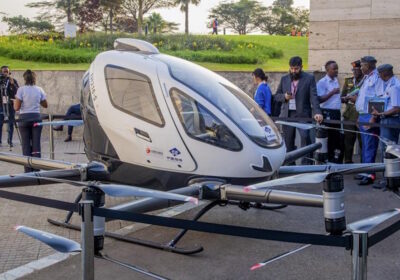
China’s Flying Taxi Strategy in Africa: From Technological Demonstration to Market Expansion
The successful flight of an unmanned electric aerial vehicle in Kigali in September 2025, carried out during the 9th Aviation Summit in Africa, cannot be understood merely as an isolated…
The Smart City Beyond Technology: How the IMD Smart City Index 2026 Redefines Urban Intelligence Through Trust, Governance, and Citizen Perception
The 2026 edition of the Smart City Index, developed by the IMD World Competitiveness Center, marks a decisive conceptual shift in the global understanding of what constitutes a “smart city,”…
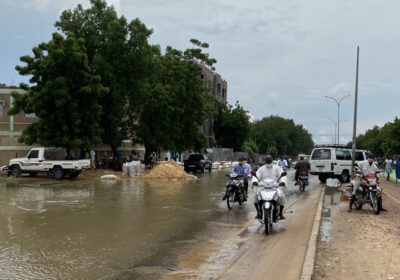
Deteriorating Roads and the Fragility of Urban Economies in N’Djamena
In the contemporary urban context of many rapidly growing African capitals, the condition of road infrastructure emerges not merely as a technical or logistical concern, but as a defining factor…