
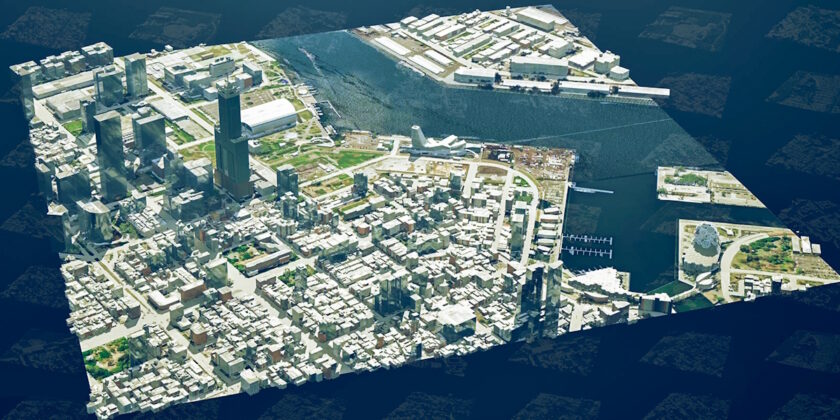

Beyond the Smart City: Towards the Wise and Human-Centered City
Over the last two decades, the concept of the smart city has been widely adopted as a shorthand for urban progress, frequently associated with connected infrastructure, pervasive sensors, data platforms,…
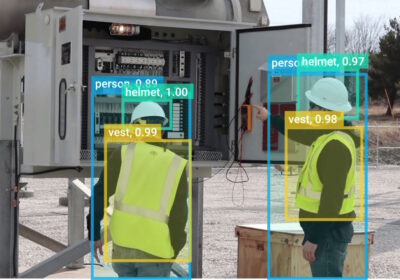
Computer Vision in Public Works: Supervision, Safety, and Efficiency
Construction and public works constitute the physical backbone of cities. Roads, bridges, tunnels, water distribution systems, public housing, and energy infrastructure shape not only urban landscapes but also economic productivity,…
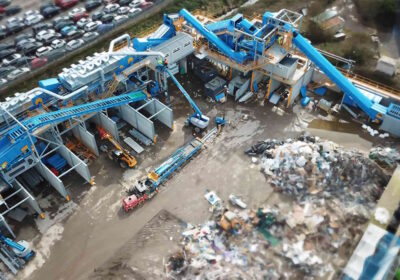
Waste Management 4.0: How Artificial Intelligence Is Transforming Urban Waste Systems
Modern cities are generating more waste than at any other point in history. Population growth, rising consumption, urban densification, and increasingly complex product lifecycles have turned waste management into one…
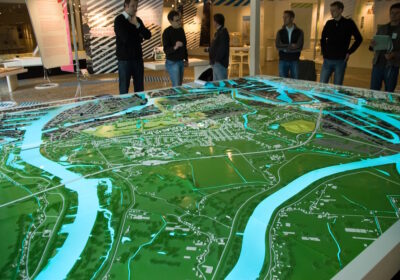
From Smart to Sensitive: How Technology Is Redesigning Cities Around Wellbeing
For decades, cities have judged their progress through what can be counted: GDP, commute times, building permits, energy demand, tourism figures, crime rates. These metrics matter, but they are also…
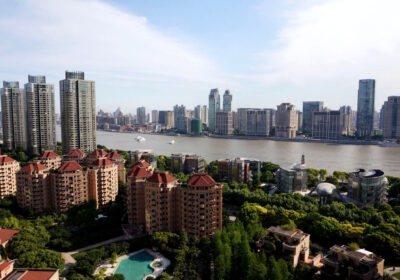
Redefining China’s Urban Future: The 15th Five-Year Plan and the Transformation of Space, Growth, and Society
China is embarking on one of the most far-reaching territorial and urban transformation efforts in its modern history, signaling a decisive shift in how the country conceives development, space, and…
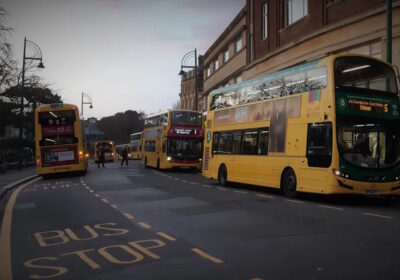
Dynamic Bus Routing: How Artificial Intelligence Is Redefining Public Transportation
Public transportation has always been a delicate balance between efficiency, reliability, and simplicity. Fixed routes and timetables have historically provided predictability for passengers and operators alike, but they also impose…