AI and Urban Resilience: Learning from Disasters Before They Strike

AI and Urban Resilience: Learning from Disasters Before They Strike

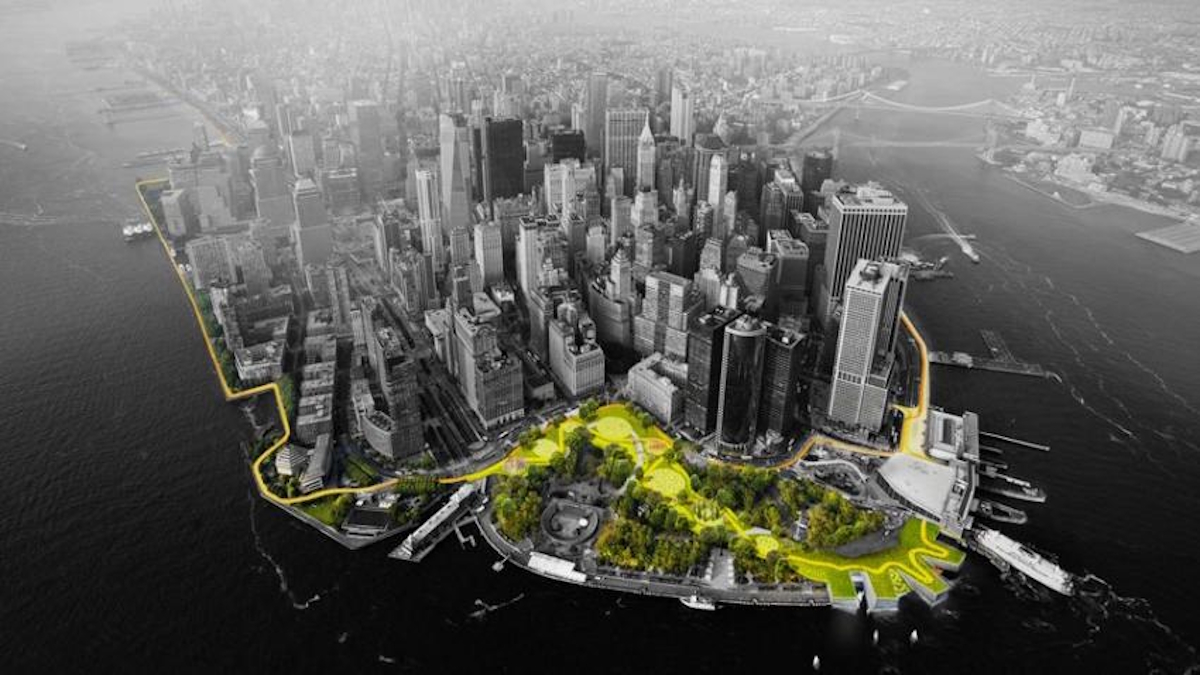
Resilience begins with foresight. Machine learning algorithms can process enormous volumes of environmental, social, and infrastructural data to identify early warning signals. For instance, AI models trained on meteorological and hydrological datasets can forecast floods days in advance, predicting not only when and where water will rise but how it will spread through the city’s drainage systems. This information allows authorities to prepare evacuation routes, deploy barriers, and alert vulnerable populations proactively, turning reaction time into preparation time. Similarly, climate analytics powered by AI help cities anticipate extreme heat or air quality events by correlating temperature trends, vegetation density, and…
Read More
AI-Optimized Building Design for Energy Efficiency and Comfort

AI-Optimized Building Design for Energy Efficiency and Comfort

Traditionally, architectural design relies on simulation software and experience-based intuition to balance factors like light, temperature, ventilation, and material use. AI adds a new dimension by processing enormous datasets, from energy models and climate data to occupant behavior, to generate designs that perform better under real-world conditions. Through machine learning and generative design algorithms, architects and engineers can explore thousands of design options simultaneously, finding solutions that maximize performance while minimizing environmental impact. Generative design works by defining objectives and constraints, for example, reducing energy use, maximizing natural light, or ensuring thermal comfort, and then allowing the AI to “evolve”…
Read More
AI-Driven Traffic Lights: Reducing Congestion with Intelligent Algorithms

AI-Driven Traffic Lights: Reducing Congestion with Intelligent Algorithms

The principle is simple but revolutionary. Instead of following preprogrammed schedules, AI-controlled traffic lights use machine learning algorithms to analyze data from sensors, cameras, and connected vehicles. These systems detect vehicle density, speed, and flow direction, as well as pedestrian crossings and environmental factors such as weather or time of day. The AI then adjusts signal timings dynamically, optimizing each intersection to minimize waiting time and maximize throughput. In essence, the city learns to breathe, its traffic lights becoming the rhythmic pulse of an intelligent organism. Unlike conventional systems that rely on isolated intersections, AI-based platforms view the urban road…
Read More
Automation in City Administration: Can Algorithms Manage Public Services?

Automation in City Administration: Can Algorithms Manage Public Services?

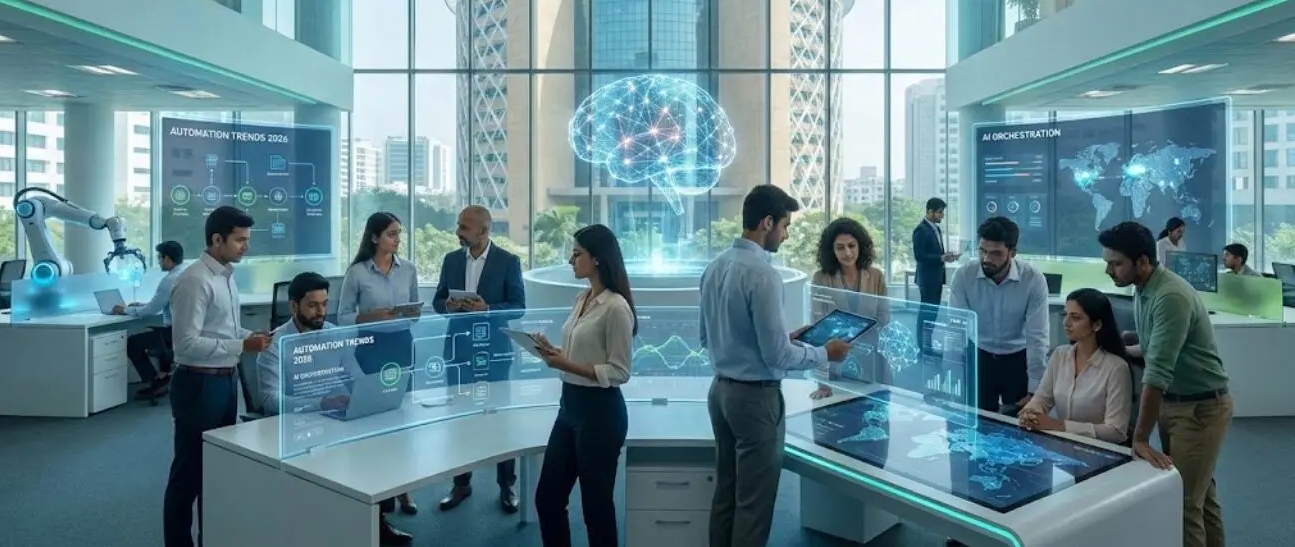
Automation in city administration is not about replacing civil servants; it’s about augmenting their capabilities. Routine, repetitive, and rule-based tasks, such as document verification, appointment scheduling, and data entry, can be handled by AI-powered systems with greater accuracy and speed. This frees human workers to focus on strategic, creative, and empathetic functions that require judgment and communication. The result is a shift from bureaucratic management to service intelligence, a model where administration becomes proactive, personalized, and efficient. One of the most visible advances comes from robotic process automation (RPA). These systems act as digital assistants, replicating human actions across multiple…
Read More
Building the Strategic Vision for a Smart City Transformation

Building the Strategic Vision for a Smart City Transformation

The transformation of a city into a Smart City never truly begins with the installation of sensors, the procurement of data platforms, or the deployment of artificial intelligence systems, however advanced and sophisticated these technological instruments may appear. It begins, rather, with a far deeper and more consequential act: the formulation of a strategic vision capable of imagining what kind of city must emerge in response to the structural pressures of the twenty-first century. Demographic growth, climate change, congestion, energy dependency, housing stress, environmental degradation, and rising citizen expectations all converge to create a context in which traditional urban management…
Read More
South Korea’s AI Smart City Strategy Expands Across Southeast Asia

South Korea’s AI Smart City Strategy Expands Across Southeast Asia

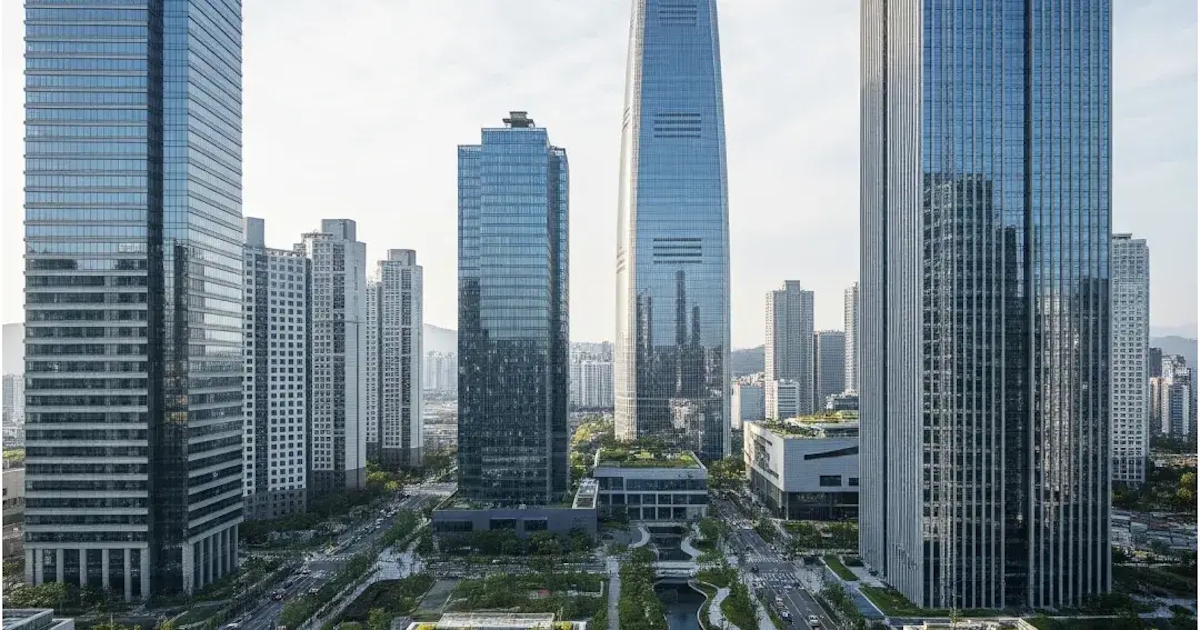
South Korea is accelerating its global urban innovation strategy through a new series of pilot projects that will test artificial intelligence-driven smart city technologies across five countries in Southeast Asia, in what represents one of the most significant examples of technology-enabled urban diplomacy and international urban cooperation in recent years. Announced by the Ministry of Land, Infrastructure and Transport (MOLIT), this initiative forms part of the K-City Network 2026 program, a government-backed framework designed not only to export Korean technological capabilities but also to position South Korea as a strategic global partner in the transformation of rapidly urbanizing cities. This…
Read More
From Traditional Urban Management to Data-Driven Governance

From Traditional Urban Management to Data-Driven Governance

The transformation of a city into a Smart City cannot be understood merely as the modernization of roads, utilities, or public services through digital technologies. Rather, it must be interpreted as a profound reconfiguration of governance itself, in which data ceases to be a passive by-product of administrative activity and becomes the central intelligence layer through which the city is observed, interpreted, and managed. What truly distinguishes a Smart City from a digitally equipped city is not the presence of sensors or dashboards, but the existence of a governance model capable of converting information into foresight, coordination, and evidence-based action.…
Read More