
AI-Enabled Emergency Response: Real-Time Urban Crisis Detection and the Evolution of Smart Cities

AI-Enabled Emergency Response: Real-Time Urban Crisis Detection and the Evolution of Smart Cities

In contemporary urban environments, where population density, infrastructure complexity, and interdependence of services continue to increase, the ability to detect and respond to emergencies in real time has become a defining capability of advanced cities. Fires, floods, traffic collisions, industrial accidents, and infrastructure failures no longer represent isolated events but systemic disruptions with cascading effects across transportation networks, energy grids, healthcare systems, and public safety services. Traditional emergency response models, largely dependent on manual reporting, human observation, and sequential communication between agencies, struggle to operate at the speed and scale demanded by modern cities. Within this context, artificial intelligence has…
Read More
Environmental Monitoring and Urban Transformation: Artificial Intelligence at the Core of Smart Cities

Environmental Monitoring and Urban Transformation: Artificial Intelligence at the Core of Smart Cities

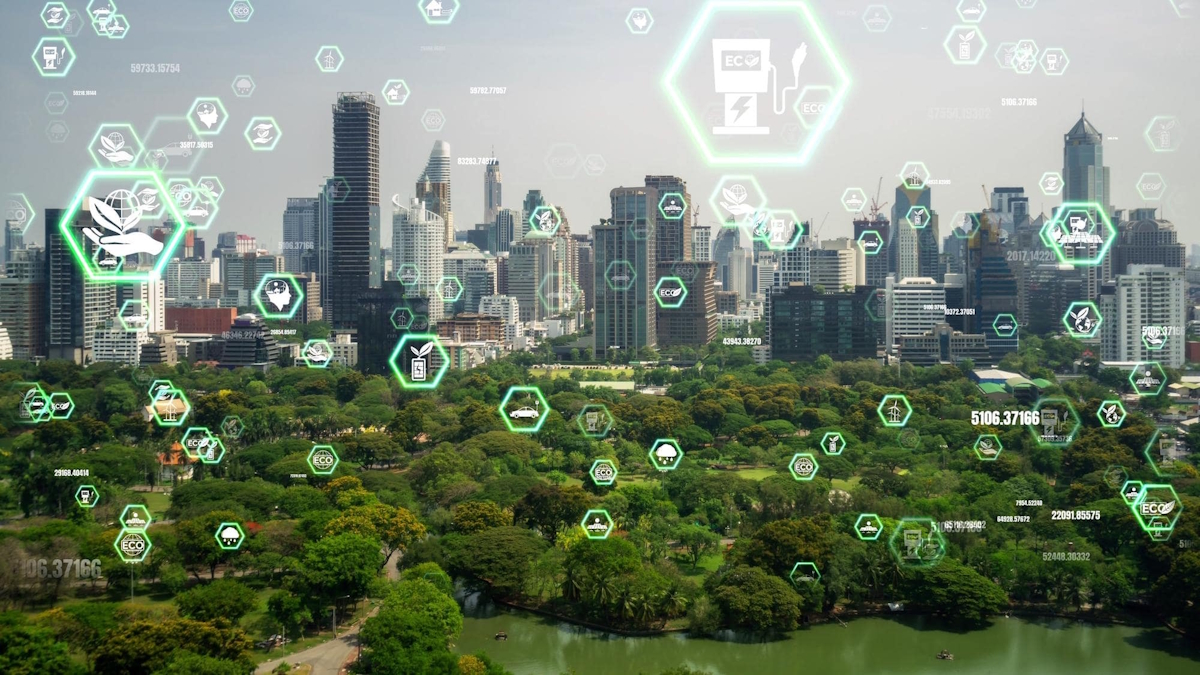
Urban environments, as complex socio-technical systems, are undergoing a fundamental transformation driven by the convergence of data, connectivity, and artificial intelligence (AI). These interconnected, dynamic systems are not merely expanding in size or density; they are evolving in function and form to become smart cities, intelligent urban ecosystems capable of adapting to environmental pressures, optimizing infrastructure, and improving the quality of life for their inhabitants. Central to this transformation is the use of advanced environmental monitoring systems powered by AI, which enable cities to detect and respond to pollution before it escalates into a public health or ecological crisis. Historically,…
Read More
From Data to Decisions: How AI Is Powering the Smart City Revolution

From Data to Decisions: How AI Is Powering the Smart City Revolution

Cities have always been loci of complex decision-making, where operational imperatives such as public transport dispatch, waste collection, incident response, and street-level maintenance coexist with strategic responsibilities including housing supply, land-use regulation, climate resilience, and economic development. Yet the traditional municipal operating model remains constrained by fragmented information flows, delayed reporting cycles, and institutional compartmentalization that slows adaptation to rapidly changing urban conditions. The rise of artificial intelligence, deployed within an increasingly digitized civic infrastructure, is redefining how cities perceive, interpret, and influence their own dynamics. In this emerging paradigm of data-driven governance, AI is not positioned as a substitute…
Read More
Beyond the Smart City: Towards the Wise and Human-Centered City

Beyond the Smart City: Towards the Wise and Human-Centered City

Over the last two decades, the concept of the smart city has been widely adopted as a shorthand for urban progress, frequently associated with connected infrastructure, pervasive sensors, data platforms, automation, and the promise of systems that can be optimized through computation. In practice, the smart city is not a single technology but an integrated socio-technical architecture in which digital networks, edge devices, cloud services, and analytics form a continuous feedback loop between the physical city and its digital representations. This loop enables real-time visibility of urban dynamics, from mobility flows and energy demand to air quality and service performance,…
Read More
Computer Vision in Public Works: Supervision, Safety, and Efficiency

Computer Vision in Public Works: Supervision, Safety, and Efficiency

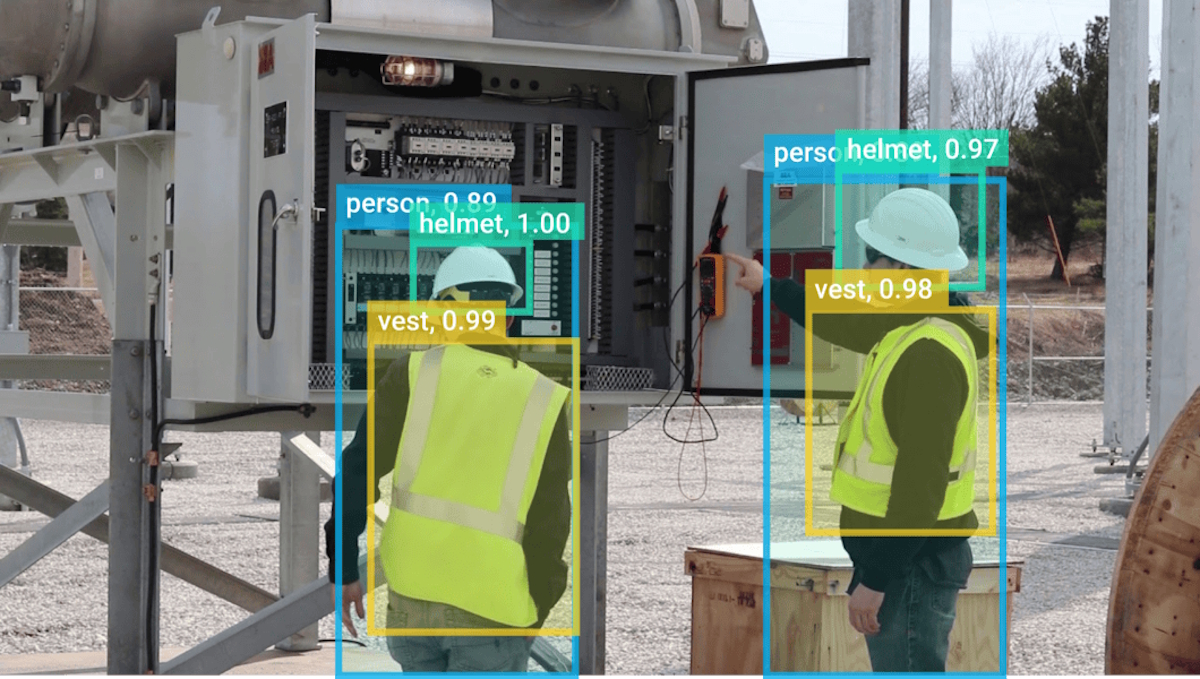
Construction and public works constitute the physical backbone of cities. Roads, bridges, tunnels, water distribution systems, public housing, and energy infrastructure shape not only urban landscapes but also economic productivity, social cohesion, and quality of life. Despite their importance, public works projects remain among the most complex, expensive, and risk-prone activities in urban management. Delays, cost overruns, safety incidents, and quality issues are persistent challenges, often driven by fragmented information, limited real-time visibility, and reactive decision-making. Artificial intelligence, and particularly computer vision, is fundamentally transforming this reality. By converting visual data into actionable intelligence, computer vision enables a new level…
Read More
Dynamic Bus Routing: How Artificial Intelligence Is Redefining Public Transportation

Dynamic Bus Routing: How Artificial Intelligence Is Redefining Public Transportation

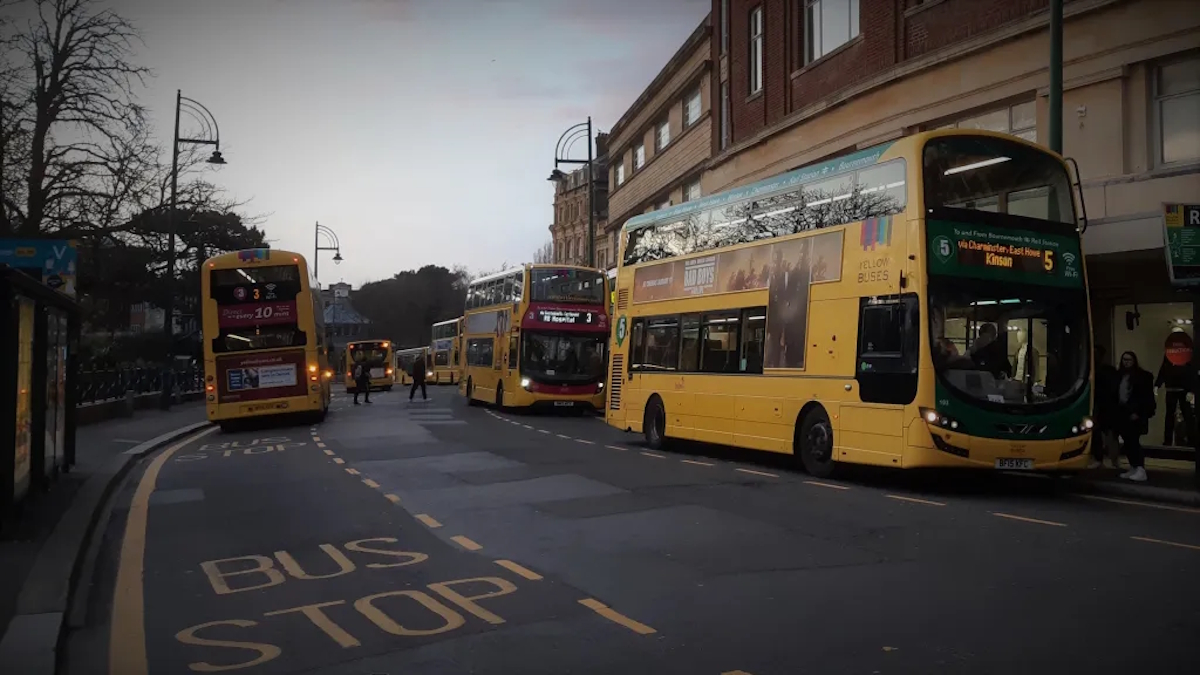
Public transportation has always been a delicate balance between efficiency, reliability, and simplicity. Fixed routes and timetables have historically provided predictability for passengers and operators alike, but they also impose rigidity on systems that operate within increasingly complex and fast-changing urban environments. Modern cities no longer follow uniform daily patterns: commuting hours vary, remote work alters peak demand, tourism fluctuates seasonally, and cultural or sporting events can transform mobility needs in a matter of hours. Yet in many cities, bus networks still operate as if demand were static. The consequence of this mismatch is well known. Buses are overcrowded during…
Read More
Cities of the Future: How Energy, Technology, and Digital Intelligence Are Redefining Urban Life

Cities of the Future: How Energy, Technology, and Digital Intelligence Are Redefining Urban Life

Cities are rapidly becoming the primary environment in which the future of humanity will be defined, as they are expected to host nearly 70 percent of the global population by 2050. This demographic shift, already underway, places unprecedented pressure on urban systems, infrastructures, and governance models, requiring cities to rethink their role, structure, and functioning in a profound and systemic way. Urban areas are no longer merely centers of consumption and economic activity, but increasingly complex ecosystems where energy, data, mobility, housing, and social services must interact efficiently and sustainably. In this context, the convergence of smart grids, energy storage…
Read More