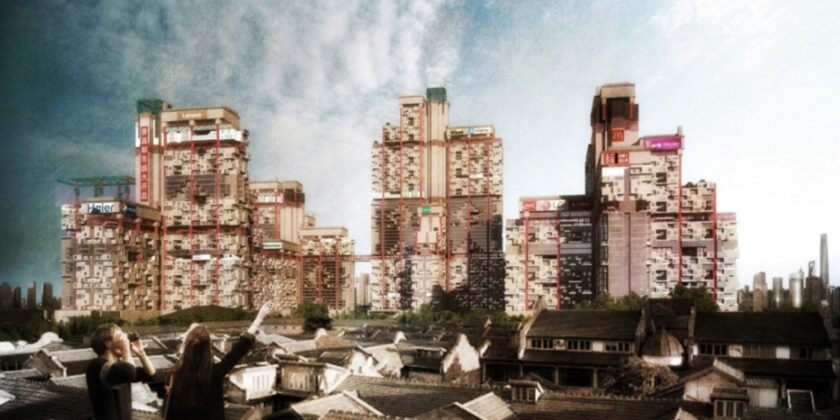
The promise of a smart city is not only about technology, it’s about people. For a city to be truly intelligent, it must also be inclusive. Accessibility has traditionally been treated as a secondary concern, often addressed through infrastructure design rather than digital innovation. But artificial intelligence is changing that. Through the power of data, pattern recognition, and adaptive systems, AI is helping to create urban environments that respond to the needs of everyone, including people with disabilities, the elderly, and other vulnerable groups. Accessibility…
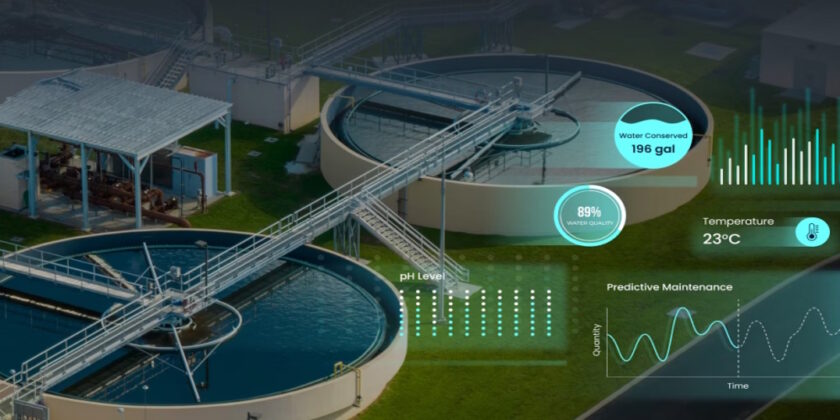
Water is one of the most critical —and increasingly scarce— resources for cities around the world. Urbanization, climate change, and population growth have made it harder to ensure that every drop is used efficiently. Traditional water management systems, based on periodic inspections and static supply models, are no longer sufficient. Today’s cities need infrastructures that can sense, predict, and react. That is precisely what artificial intelligence brings to the field of predictive water management. In a conventional system, leaks or pressure losses are often detected…
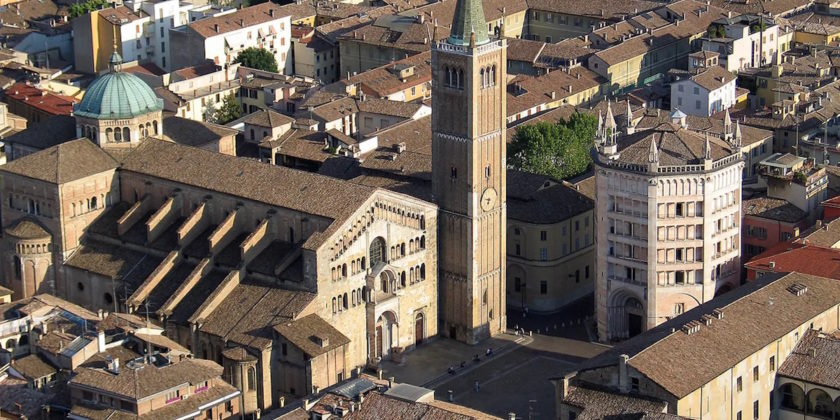
City Green Light has been awarded the prestigious SMAU Innovation Award 2025 for its groundbreaking citizen engagement initiative developed in collaboration with the Municipality of Parma. This project, designed to support the city’s commitment to becoming climate neutral by 2030, aligns with the company’s strategic vision: to accompany Italian cities through a dual ecological and digital transition, empowering individuals to actively participate in shaping sustainable urban environments. The initiative stands as a compelling example of how technology, civic responsibility, and institutional coordination can converge…
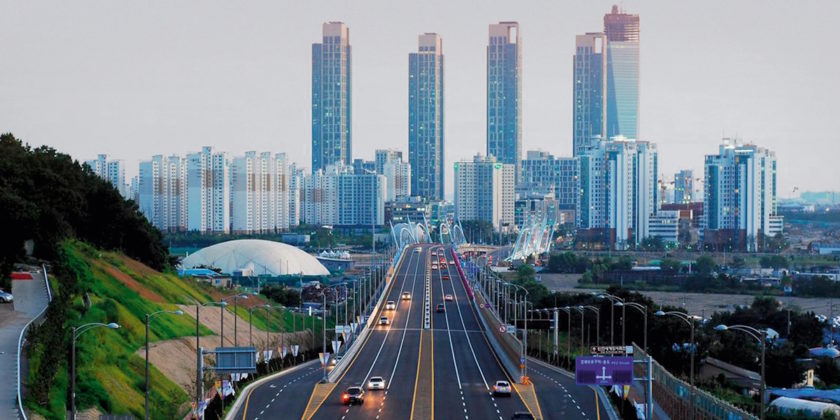
In the rapidly evolving landscape of urban development, the concept of the "Smart City" is no longer a distant ideal, but an emerging reality shaped by the integration of cutting-edge technologies—chief among them, artificial intelligence (AI). As the world’s urban population continues to rise, the pressure to rethink city infrastructure, resource management, mobility, public services, and sustainability has never been more critical. In this context, AI emerges not merely as a technological tool, but as the cognitive framework that can enable cities to become truly…
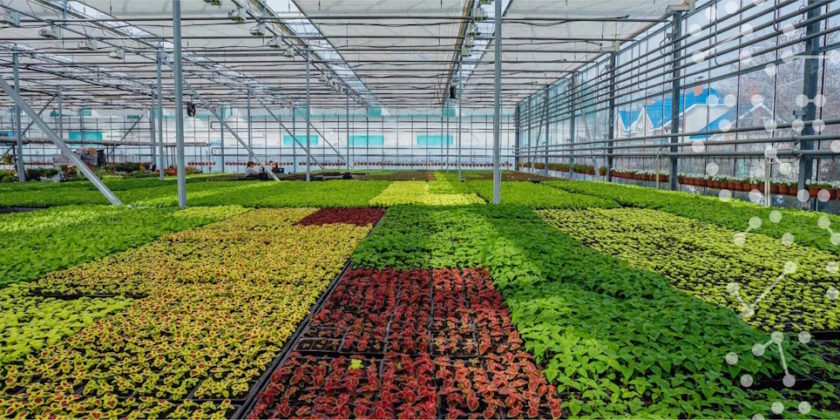
In Comiso, in the province of Ragusa, a new model of intelligent photovoltaic greenhouse, christened Archimede, represents a turning point not only for protected cultivation but also for the broader debate on how artificial intelligence, renewable energy and urban planning can converge in the construction of sustainable and resilient smart cities. The Archimede Greenhouse combines solar energy production and sustainable agriculture within a single architectural and functional system, modulating light to favour photosynthesis and improve crop quality without reducing agricultural productivity. Seen in isolation, it…
Although the rapid expansion of urban areas is one of the most significant threats to global biodiversity, the presence of nature within cities remains a critical component for human well-being and urban resilience. Urban green spaces offer essential ecosystem services, such as temperature regulation, flood prevention, air purification, and psychological benefits associated with access to natural environments. However, these advantages are not equitably distributed across the urban population. The phenomenon known as the luxury effect—which describes the correlation between neighborhood affluence and the richness…
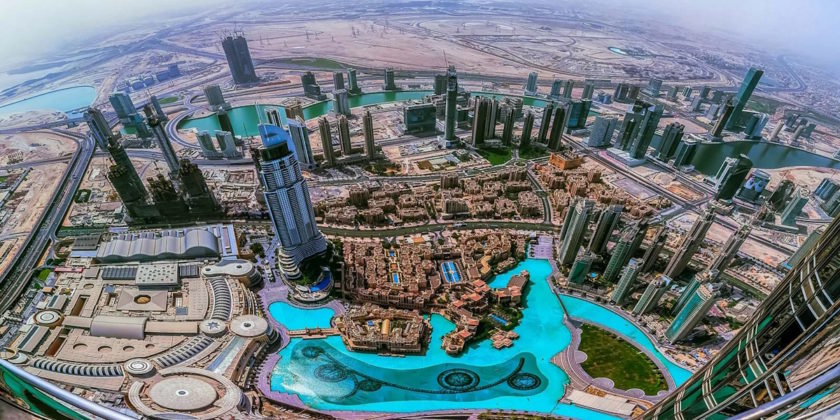
In the contemporary global landscape, few places embody the spirit of innovation and technological audacity as profoundly as Dubai. Once a modest desert outpost, today the Emirate stands as a paradigmatic model of what a technologically integrated society might look like—where artificial intelligence, blockchain infrastructure, digital finance, and smart urban systems are not theoretical constructs but tangible realities shaping daily life. In a world where many regions are still grappling with the rudiments of digital transformation, Dubai has assumed the role of a global…