

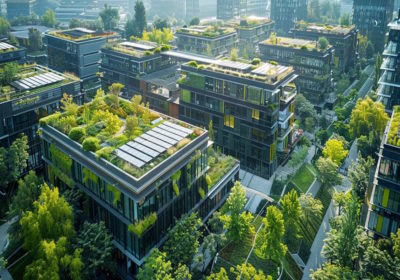
How Digitalization and Artificial Intelligence Can Transform Cities into Net Zero Urban Environments
Urban centers, while occupying less than 2% of the Earth's land surface, are responsible for an overwhelming 78% of global energy consumption and approximately 70% of greenhouse gas emissions, according…
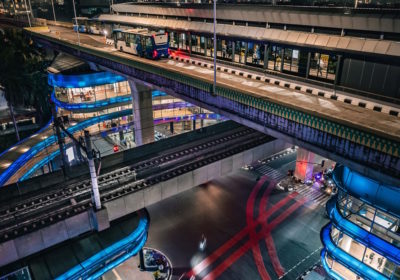
How Can Transport Infrastructure Be Brought Back to Life?
In an era marked by rapid urbanization, demographic expansion, and accelerating economic growth, cities are becoming increasingly complex ecosystems. These dynamics have intensified the demand for efficient, sustainable, and inclusive…
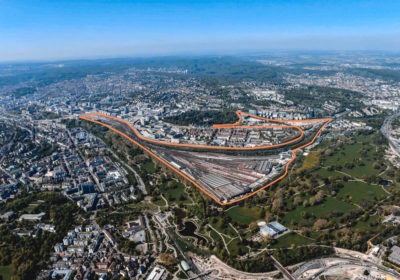
Stuttgart Rosenstein: The City Unveils First Cost Forecasts for a Century-Defining Urban Transformation
The city of Stuttgart has taken a significant step forward in its long-term urban development strategy with the unveiling of preliminary cost estimates and timelines for the ambitious Stuttgart…
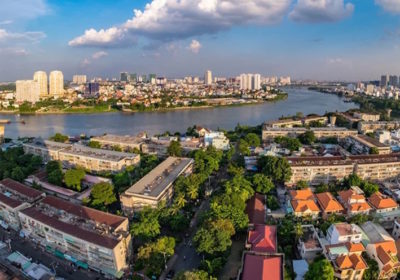
Resilient Futures: How Vietnam is Redesigning Its Cities for a Changing Climate
As Vietnam undergoes rapid socio-economic transformation, its urban areas have emerged as central engines of growth, accounting for more than 70% of the nation’s GDP. However, this rapid urban…
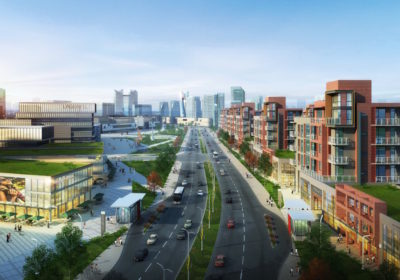
Wired for the Future: How Fibre-Powered Smart Cities Can Transform South Africa
By the year 2050, approximately two-thirds of the global population will reside in urban areas. This ongoing demographic transformation is already having significant implications for South Africa, where metropolitan centers…
Urban and social development: the transformation of cities as they go through changes in demography and population
In November 2019, in a pre-pandemic context, Barcelona played host to a novel iteration of the Smart City Expo World Congress, operating under the banner "Cities Made of Dreams." It…