
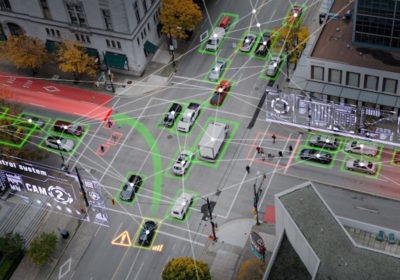
Autonomous Traffic Systems: AI in the Age of Self-Regulating Cities
The way cities move is changing faster than ever. For decades, traffic management relied on rigid systems: fixed schedules for public transport, manually programmed traffic lights, and human operators reacting…

AI and Smart Cities: Building the Future Through Government-Municipal Collaboration
The digital transformation of cities is rapidly becoming one of the most defining challenges and opportunities of the 21st century. As urban populations continue to grow, municipalities face increasing…
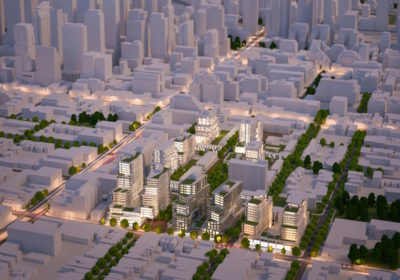
From Predictive to Adaptive Urban Planning: How AI is Transforming City Design
Cities have always evolved in response to human needs, but the pace and complexity of today's urban challenges have surpassed the capabilities of traditional planning models. While predictive planning —…

Artificial Intelligence and the Future of Cities – a new blog by the IDHUS Institute
We are happy to present and start today publishing our new blog series on Artificial Intelligence and the Future of Cities, exploring how emerging technologies are reshaping the urban world…
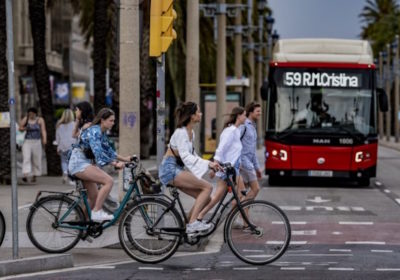
Transforming Urban Mobility Through Data and Artificial Intelligence: Evidence, Analysis, and Strategic Decisions
The evolution of urban mobility within the framework of smart cities is undergoing a paradigm shift—one that is increasingly driven by data and powered by the exponential capabilities of…

Lighting the Way Forward: The Evolution of Bicycle Illumination Systems and the Transformative Role of Artificial Intelligence in Smart Cities
As the world embraces a new era of urban transformation, the bicycle has reemerged as a key player in the transition toward sustainable, inclusive, and human-centered mobility. Its ecological…