
Publications

AI for Carbon Neutral Cities: Predictive Models for Emission Reduction

AI for Carbon Neutral Cities: Predictive Models for Emission Reduction

Cities are at the heart of the climate challenge. They occupy less than two percent of the Earth’s surface, yet they consume over 75 percent of global energy and generate around 70 percent of greenhouse gas emissions. Achieving carbon neutrality ,a balance between emitted and absorbed CO₂, has therefore become one of the defining goals of 21st-century urban policy. While renewable energy and sustainable mobility are key pillars, artificial intelligence is emerging as the invisible engine that connects, predicts, and optimizes all aspects of the carbon-neutral city. At its core, AI provides the capacity to measure and understand emissions in…

Read More
Deep Learning for Public Transport Demand Forecasting

Deep Learning for Public Transport Demand Forecasting

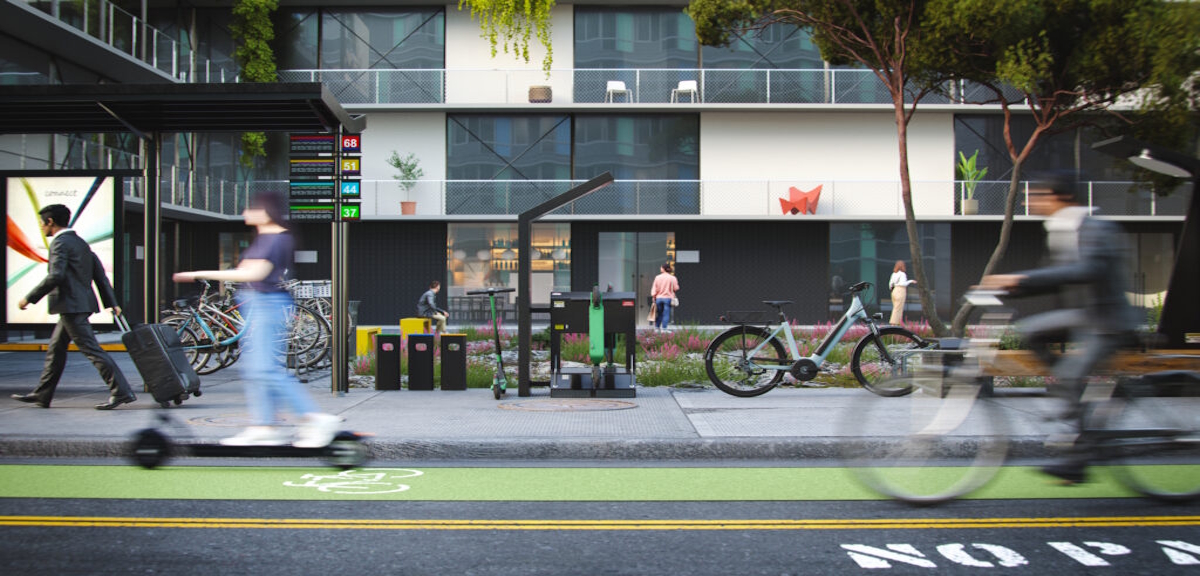
Public transportation is the backbone of urban life. Every day, millions of people depend on buses, trams, metros, and trains to move through the complex arteries of the city. Yet, managing that flow efficiently has always been one of the biggest challenges in urban planning. Demand fluctuates with the hour, the weather, the economy, and even social events. Traditional forecasting models, based on historical averages or linear trends, can no longer capture this dynamic reality. This is where deep learning comes in, bringing unprecedented precision and adaptability to public transport demand forecasting. Deep learning is a branch of artificial intelligence…
Read More
Digital Twins for Smarter Cities: Simulating Urban Life Before It Happens

Digital Twins for Smarter Cities: Simulating Urban Life Before It Happens

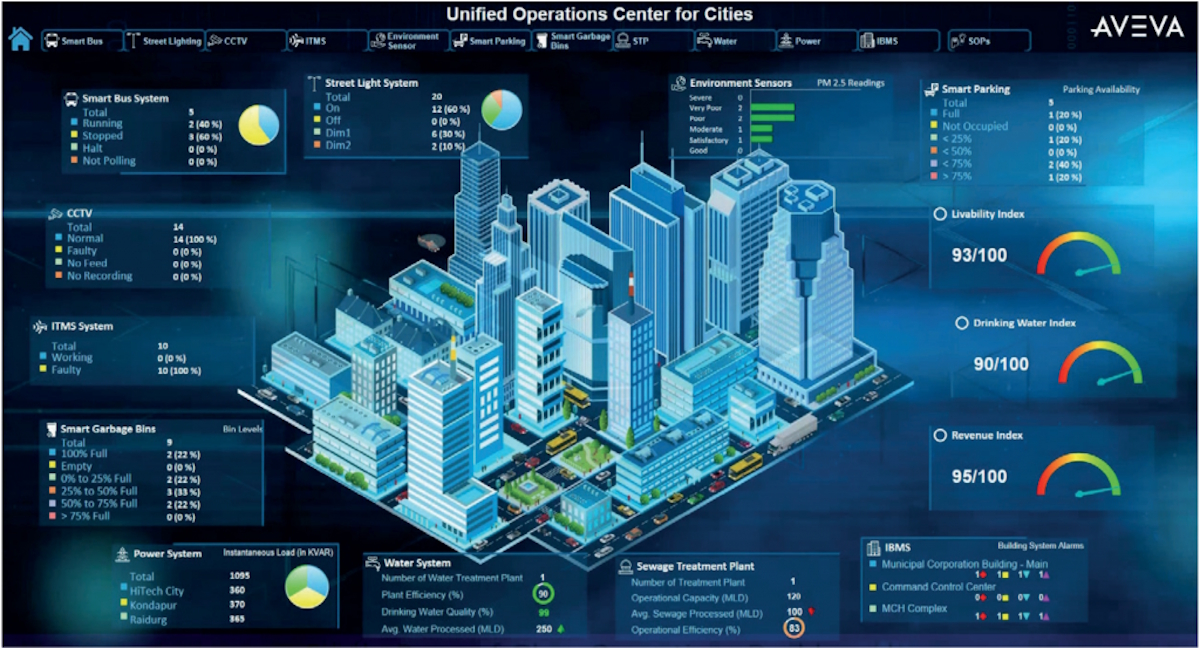
In the past, urban planning relied heavily on maps, models, and projections. Today, cities are embracing a more powerful tool, one that doesn’t just represent the physical world but mirrors it in real time. This tool is the digital twin, a dynamic, data-driven replica of the city that allows planners, engineers, and policymakers to simulate, analyze, and predict urban behavior before it unfolds in the real world. Digital twins are rapidly becoming the nervous system of smart cities, transforming how we design, manage, and experience urban life. A digital twin integrates information from multiple sources: sensors, satellites, IoT devices, traffic…
Read More
Cognitive Urbanism: When Cities Learn from Their Inhabitants

Cognitive Urbanism: When Cities Learn from Their Inhabitants

Cities have always reflected human behavior, our needs, routines, and ambitions are written into their streets and skylines. But what if cities could do more than reflect us? What if they could learn from us? The emerging field of cognitive urbanism explores this question, envisioning cities as adaptive systems that evolve through continuous interaction with their inhabitants. Fueled by artificial intelligence, data analytics, and behavioral science, this approach is redefining the relationship between humans and the urban environment. Cognitive urbanism sees the city not as a static structure but as a living intelligence. Through a vast network of sensors, digital…
Read More
AI for Accessibility: Designing Inclusive Smart Cities for All

AI for Accessibility: Designing Inclusive Smart Cities for All

The promise of a smart city is not only about technology, it’s about people. For a city to be truly intelligent, it must also be inclusive. Accessibility has traditionally been treated as a secondary concern, often addressed through infrastructure design rather than digital innovation. But artificial intelligence is changing that. Through the power of data, pattern recognition, and adaptive systems, AI is helping to create urban environments that respond to the needs of everyone, including people with disabilities, the elderly, and other vulnerable groups. Accessibility in the age of AI goes far beyond ramps and elevators. It’s about removing invisible…
Read More
Predictive Water Management: Preventing Leaks and Optimizing Supply with AI

Predictive Water Management: Preventing Leaks and Optimizing Supply with AI

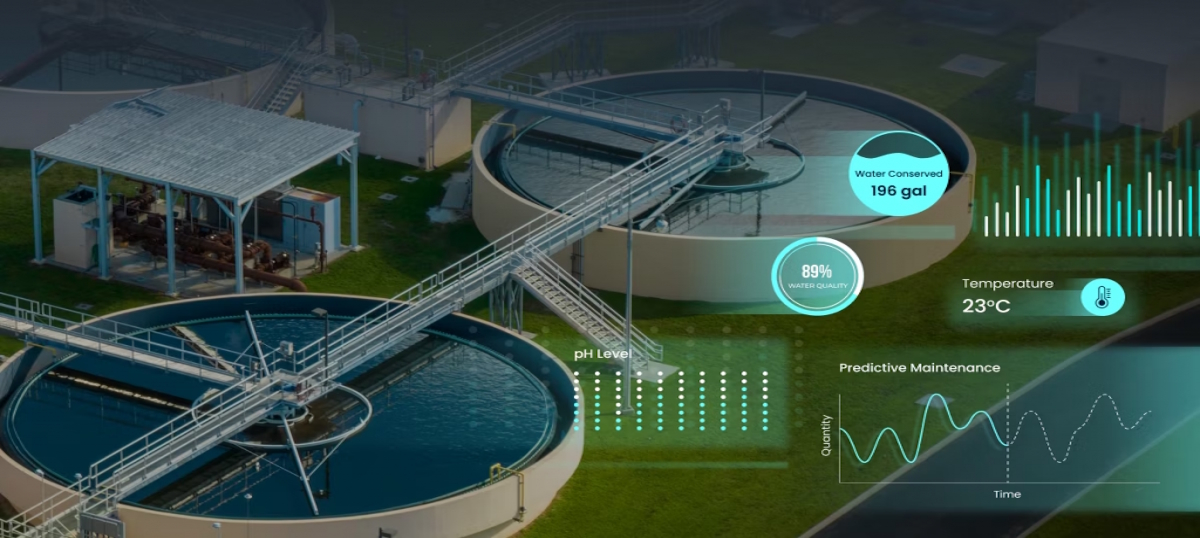
Water is one of the most critical —and increasingly scarce— resources for cities around the world. Urbanization, climate change, and population growth have made it harder to ensure that every drop is used efficiently. Traditional water management systems, based on periodic inspections and static supply models, are no longer sufficient. Today’s cities need infrastructures that can sense, predict, and react. That is precisely what artificial intelligence brings to the field of predictive water management. In a conventional system, leaks or pressure losses are often detected only after significant damage or waste has occurred. AI changes that equation. By analyzing continuous…
Read More
Parma Towards Climate Neutrality: How Citizen Engagement and Artificial Intelligence Are Shaping the Italian City

Parma Towards Climate Neutrality: How Citizen Engagement and Artificial Intelligence Are Shaping the Italian City

  City Green Light has been awarded the prestigious SMAU Innovation Award 2025 for its groundbreaking citizen engagement initiative developed in collaboration with the Municipality of Parma. This project, designed to support the city’s commitment to becoming climate neutral by 2030, aligns with the company’s strategic vision: to accompany Italian cities through a dual ecological and digital transition, empowering individuals to actively participate in shaping sustainable urban environments. The initiative stands as a compelling example of how technology, civic responsibility, and institutional coordination can converge to address one of the most pressing challenges of our time—climate change. The project, titled…
Read More