
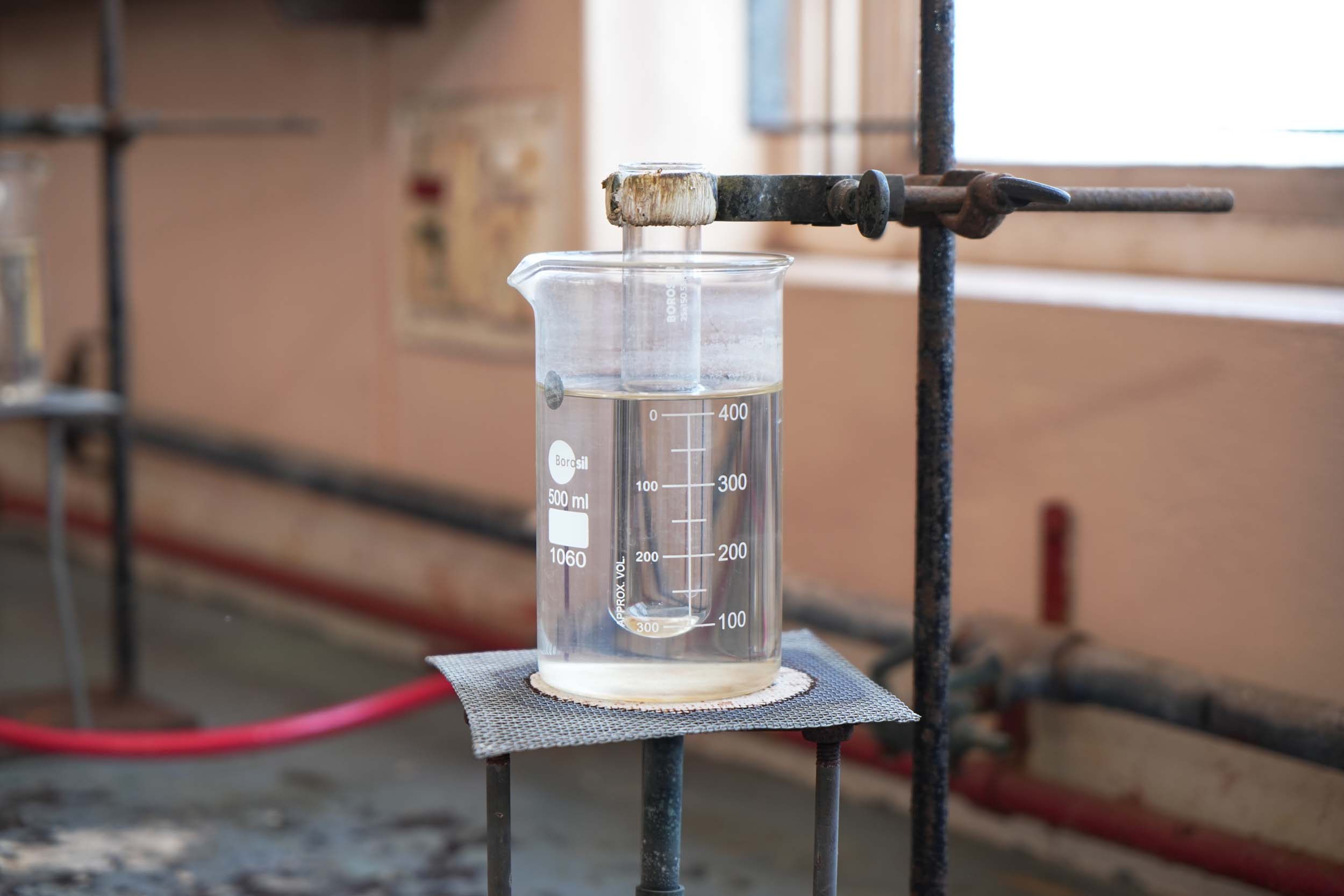
From Chemistry Chat to Reproducible Workflows: What Antigravity’s New Skills Demonstrate
Google DeepMind’s new cheminformatics walkthrough shows how an AI agent can connect scientific records, established chemistry software and predictive analysis. Its importance lies in the structure of that collaboration—and in the distance between a computationally attractive proposal and an experimentally validated discovery A research question in chemistry rarely arrives as a clean dataset. Relevant evidence...
Read More
Searching Across Images, Sound and Text: What EmbeddingGemma 2 Adds to Local AI
A new technical report explains how Google’s EmbeddingGemma 2 brings different media into a shared search space. The advance is less about generating another answer than helping applications find the right evidence—and understanding where compact multimodal retrieval still needs careful testing Much of the attention surrounding artificial intelligence goes to systems that generate something visible:...
Read More
From AI Code Review to Executable Evidence: What Meta’s Just-in-Time Testing Changes
Meta’s latest deployment report points to a different role for generative AI in software engineering: constructing tests that expose a change in behaviour before code reaches users. Its significance lies in how machine-generated evidence, human judgement and the cost of false alarms are brought together A warning about faulty software is easy to generate and...
Read More
Liquid AI’s LFM3 and the Case for Bringing Specialised Intelligence Back to the Device
Liquid AI’s new family of compact multimodal models raises a practical question for the next phase of artificial intelligence: how much useful work can move onto the devices we already own, and what must change before local intelligence becomes dependable? Progress in artificial intelligence is often narrated through the largest available model: more demanding reasoning...
Read More
Before AI Can Reason Over Documents, It Must Read Them: What Surya 2.5 Changes
Datalab's Surya 2.5 brings renewed attention to a less spectacular but essential frontier of artificial intelligence: turning the visual organisation of a document into information a machine can use. Its release shows how smaller specialist models can improve the foundations of AI systems, while reminding us that faster reading is valuable only when the evidence...
Read More
Can Artificial Intelligence Help Us Understand a Changing Planet?
Few scientific challenges illustrate the complexity of the natural world more clearly than the study of Earth’s climate. Unlike many physical systems that can be examined in relative isolation, the climate emerges from the continuous interaction of countless processes operating simultaneously across the atmosphere, oceans, land surfaces, ice sheets, biological ecosystems and human societies. Changes...
Read More