

What Qwen4-Max Changes: Understanding the Next AI Model from a Small-Business Perspective
Alibaba's Qwen4-Max brings advances in reasoning, visual understanding and tool use into one hosted model. Its release offers a practical way for SMEs to understand how AI is progressing, what the evidence shows and what still needs testing. For the owner of a small business, a new AI model can be difficult to distinguish from...
Read More
From Model Weights to Working Machines: What Ripple-65B Reveals About AI Efficiency
Ricursive's Ripple-65B Preview opens a window onto the engineering choices behind usable AI. Its release raises questions about dense models, coding benchmarks, local deployment and why performance must be judged across the complete system A language model is usually introduced through the things it can say or the tests it can pass. Yet its practical...
Read More
The Same DNA, a Different Cell: What AlphaGenome 2 Changes in Genomic AI
AlphaGenome 2 adds cell type and cell state to the question of what a DNA variant might do. The advance could help researchers prioritise experiments, but its predictions remain one source of evidence rather than a demonstration of disease causation or clinical usefulness A change in DNA does not have to alter a protein directly...
Read More
More Than Words Heard Correctly: What SOV-Transcribe-1 Adds to Open Speech AI
Salesforce's new open-weight transcription model combines speech recognition with instructions about how a transcript should look. Its release offers a useful way to examine what benchmark accuracy captures, what it leaves out and what developers must test before relying on speech AI A transcript can be almost entirely correct and still fail at the detail...
Read More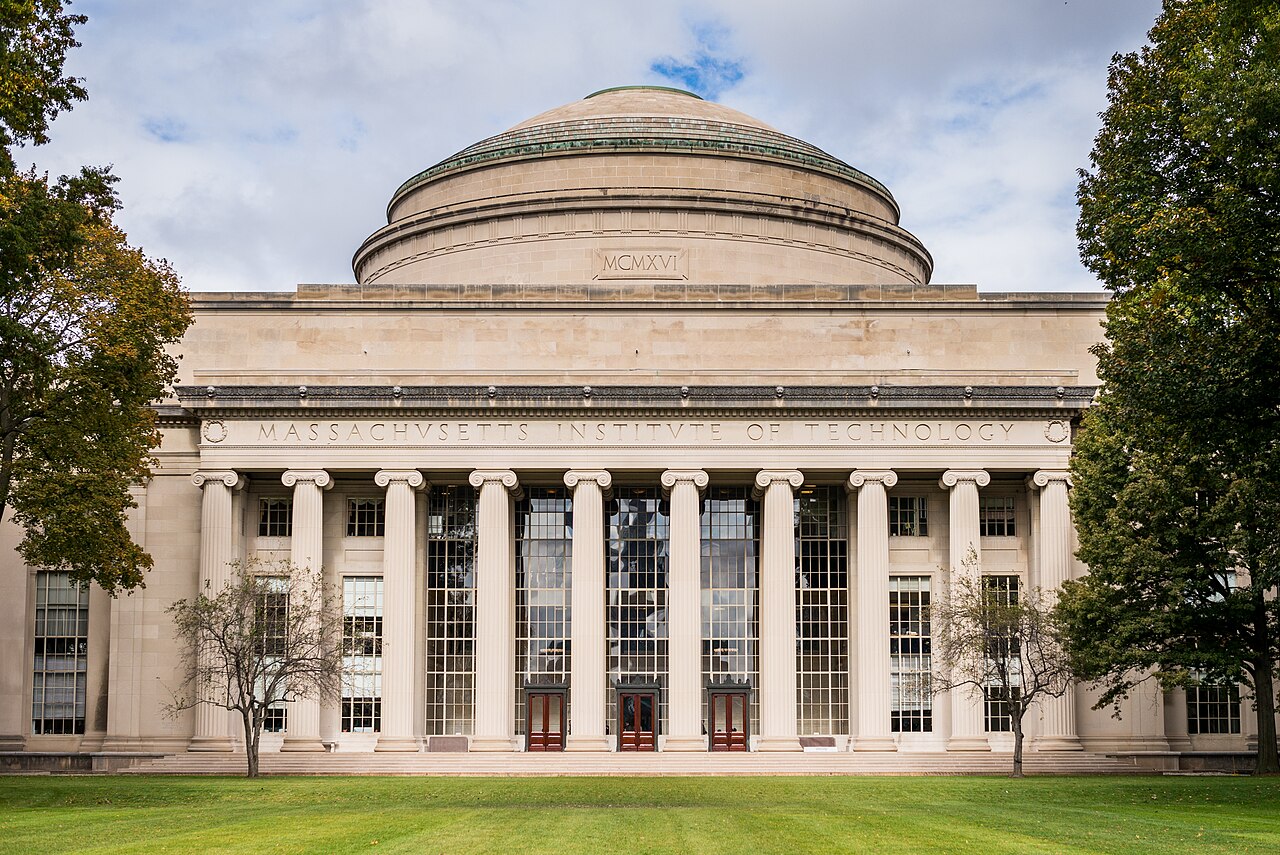
Who Makes AI Safer? The Social Work Behind a New Map of Safeguards
A new MIT-led repository brings together proposed safeguards against AI risks. Its wider significance lies in the responsibilities it makes visible: safer systems depend on institutions that can question decisions, repair mistakes and give affected people a meaningful voice The public encounter with artificial intelligence rarely begins with an abstract discussion of risk. It begins...
Read More
Teaching Climate AI with Unlikely Futures: Why Training Scenarios Matter
Newly published research explores whether carefully designed emissions scenarios can teach climate emulators more efficiently than familiar pathways. The result highlights a central challenge for scientific AI: choosing training data that reveal a system's behaviour, while keeping the limits of the evidence in view An AI model can learn from many examples and still be...
Read More