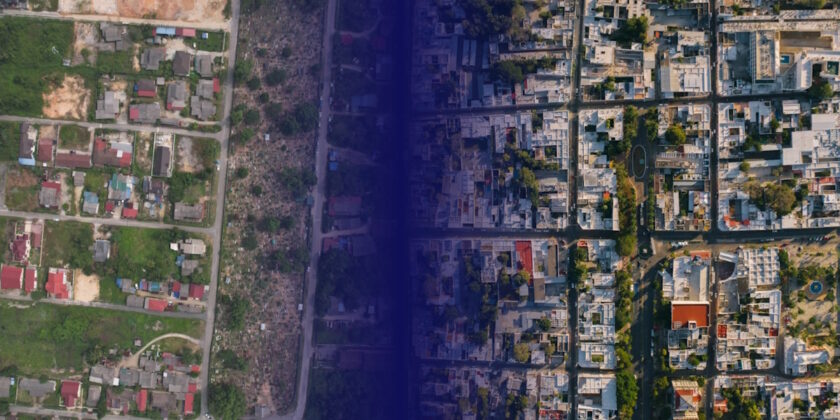
Cities are living organisms ,constantly expanding, reshaping, and adapting to the needs of their populations. Understanding how they grow, and predicting where that growth will occur, has always been a central challenge for urban planners. In the past, projections were based on census data, economic indicators, and historical trends. Today, the complexity of urban transformation demands a new approach. Machine learning is emerging as a powerful tool to forecast urban growth and optimize land use with unprecedented accuracy and agility. Traditional forecasting models often struggle…
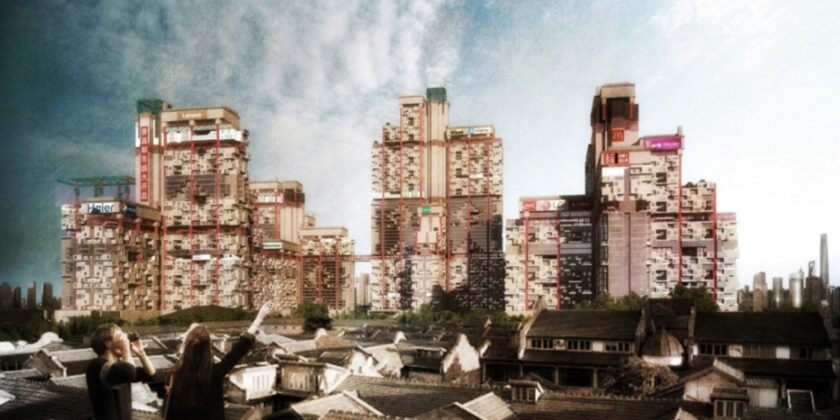
The promise of a smart city is not only about technology, it’s about people. For a city to be truly intelligent, it must also be inclusive. Accessibility has traditionally been treated as a secondary concern, often addressed through infrastructure design rather than digital innovation. But artificial intelligence is changing that. Through the power of data, pattern recognition, and adaptive systems, AI is helping to create urban environments that respond to the needs of everyone, including people with disabilities, the elderly, and other vulnerable groups. Accessibility…
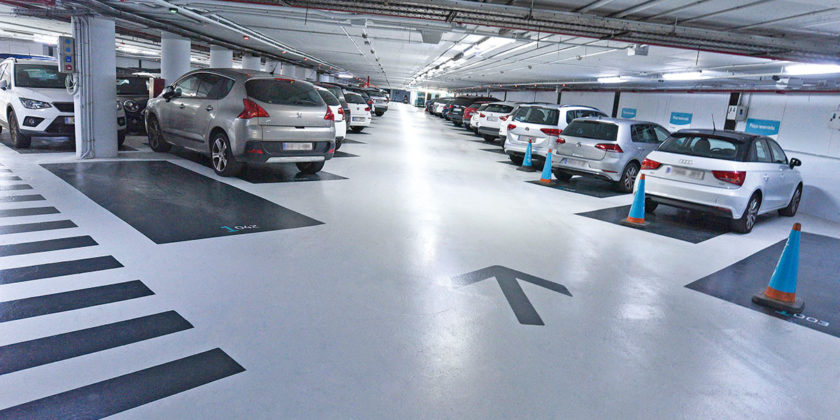
Parking infrastructure in major metropolitan areas is undergoing a profound transformation, evolving from static storage spaces for vehicles into dynamic, multifunctional urban service hubs. One of the most illustrative examples of this shift is the initiative led by Indigo, a global leader in parking and mobility solutions, in collaboration with Corsalis, a logistics and spatial planning specialist. Together, they are pioneering a new model of hybrid parking infrastructure, with the flagship project taking shape at the Foch parking facility in Paris, strategically located between…
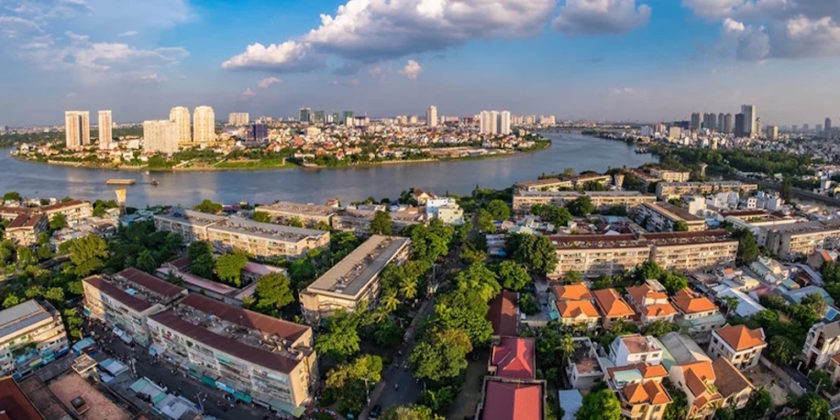
As Vietnam undergoes rapid socio-economic transformation, its urban areas have emerged as central engines of growth, accounting for more than 70% of the nation’s GDP. However, this rapid urban expansion has outpaced the capacity of existing infrastructure systems, which are increasingly strained by the combined effects of climate change, demographic pressure, and systemic governance challenges. Annual losses from extreme weather events—such as tropical storms, flooding, saltwater intrusion, and landslides—continue to mount, underscoring the urgent need for resilient urban infrastructure capable of withstanding environmental shocks…