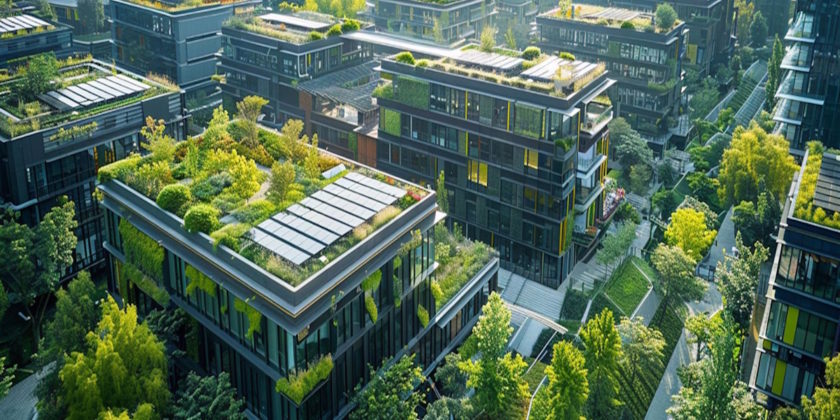
Urban environments, as complex socio-technical systems, are undergoing a fundamental transformation driven by the convergence of data, connectivity, and artificial intelligence (AI). These interconnected, dynamic systems are not merely expanding in size or density; they are evolving in function and form to become smart cities, intelligent urban ecosystems capable of adapting to environmental pressures, optimizing infrastructure, and improving the quality of life for their inhabitants. Central to this transformation is the use of advanced environmental monitoring systems powered by AI, which enable cities to detect…
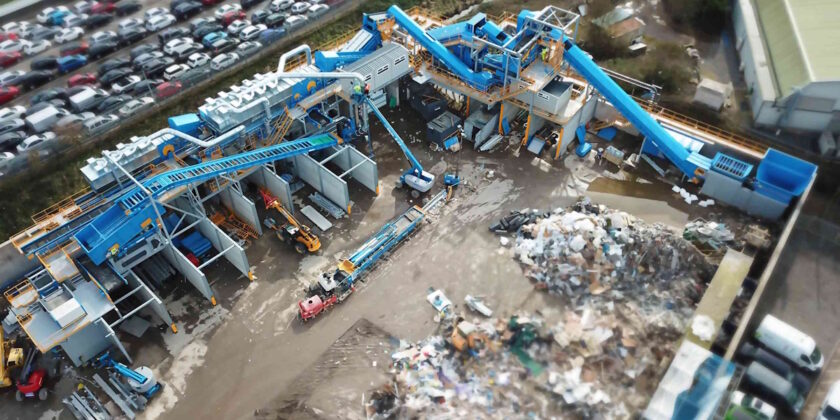
Modern cities are generating more waste than at any other point in history. Population growth, rising consumption, urban densification, and increasingly complex product lifecycles have turned waste management into one of the most pressing operational and environmental challenges facing cities today. According to the World Bank, urban areas worldwide produce more than two billion tons of solid waste annually, a figure projected to increase by up to 70 percent by 2050 if current trends continue. Left unmanaged, this growing volume of waste threatens public health,…
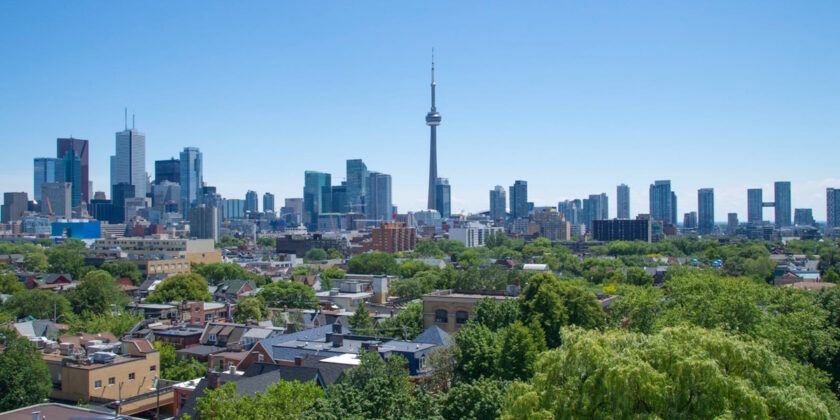
Cities are at the heart of the climate challenge. They occupy less than two percent of the Earth’s surface, yet they consume over 75 percent of global energy and generate around 70 percent of greenhouse gas emissions. Achieving carbon neutrality ,a balance between emitted and absorbed CO₂, has therefore become one of the defining goals of 21st-century urban policy. While renewable energy and sustainable mobility are key pillars, artificial intelligence is emerging as the invisible engine that connects, predicts, and optimizes all aspects of the…
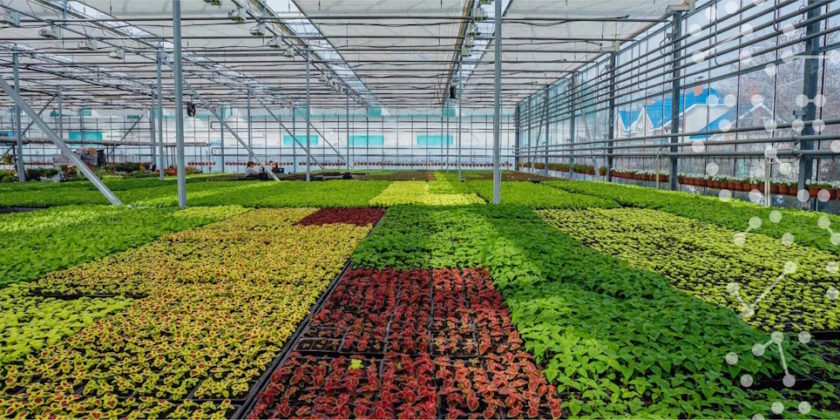
In Comiso, in the province of Ragusa, a new model of intelligent photovoltaic greenhouse, christened Archimede, represents a turning point not only for protected cultivation but also for the broader debate on how artificial intelligence, renewable energy and urban planning can converge in the construction of sustainable and resilient smart cities. The Archimede Greenhouse combines solar energy production and sustainable agriculture within a single architectural and functional system, modulating light to favour photosynthesis and improve crop quality without reducing agricultural productivity. Seen in isolation, it…
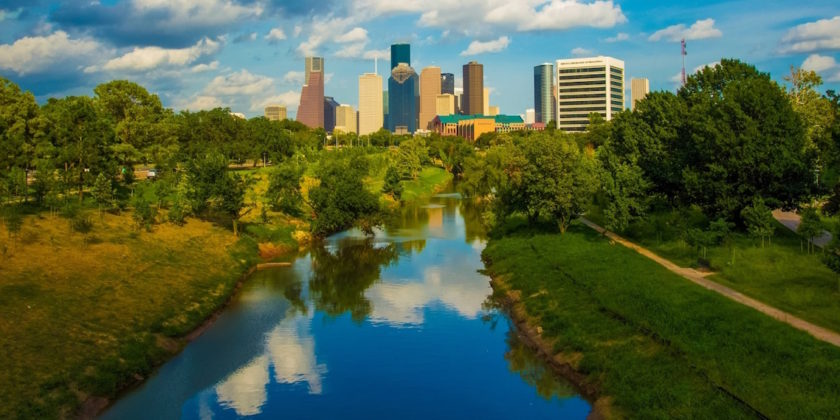
Although the rapid expansion of urban areas is one of the most significant threats to global biodiversity, the presence of nature within cities remains a critical component for human well-being and urban resilience. Urban green spaces offer essential ecosystem services, such as temperature regulation, flood prevention, air purification, and psychological benefits associated with access to natural environments. However, these advantages are not equitably distributed across the urban population. The phenomenon known as the luxury effect—which describes the correlation between neighborhood affluence and the richness…
Urban centers, while occupying less than 2% of the Earth's land surface, are responsible for an overwhelming 78% of global energy consumption and approximately 70% of greenhouse gas emissions, according to UN-Habitat. With more than half of the world’s population already residing in cities—and forecasts indicating that this trend will only intensify—urbanization stands as both a critical driver of economic development and a central contributor to climate change. In this scenario, reimagining how cities are planned, built, and managed is not just desirable but imperative…