Autonomous Traffic Systems: AI in the Age of Self-Regulating Cities

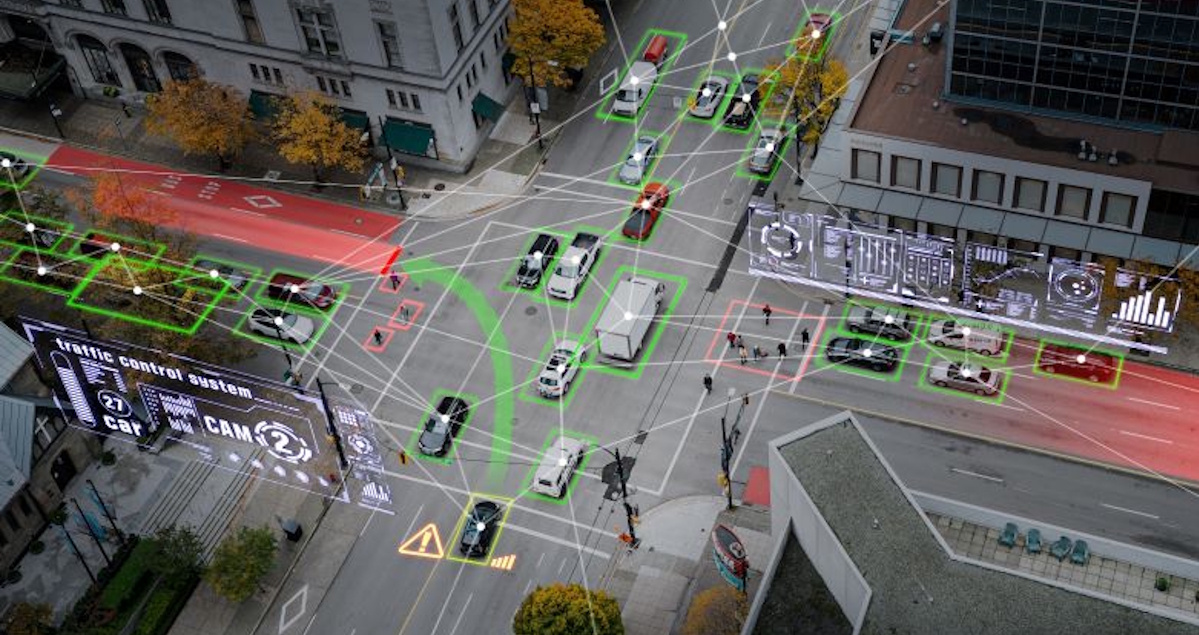
Autonomous Traffic Systems: AI in the Age of Self-Regulating Cities

The way cities move is changing faster than ever. For decades, traffic management relied on rigid systems: fixed schedules for public transport, manually programmed traffic lights, and human operators reacting to congestion after it occurred. These methods worked in the past, but in a world of millions of daily data points —from GPS devices, sensors, and connected vehicles— they are no longer enough. Artificial intelligence is now enabling a fundamental shift toward autonomous traffic systems, where the city learns to regulate its own circulation. At the heart of this transformation lies real-time AI decision-making. Modern intersections are no longer passive…
Read More
AI and Smart Cities: Building the Future Through Government-Municipal Collaboration

AI and Smart Cities: Building the Future Through Government-Municipal Collaboration

  The digital transformation of cities is rapidly becoming one of the most defining challenges and opportunities of the 21st century. As urban populations continue to grow, municipalities face increasing pressure to deliver more efficient, sustainable, and inclusive public services. In this context, artificial intelligence (AI) emerges not only as a technological enabler but as a strategic catalyst capable of reshaping how urban spaces are managed, governed, and experienced. During the recent Smart City Expo World Congress, held in Barcelona from November 4 to 6, the Government of Spain—through the Ministry for Digital Transformation and the Civil Service—emphasized the crucial…
Read More
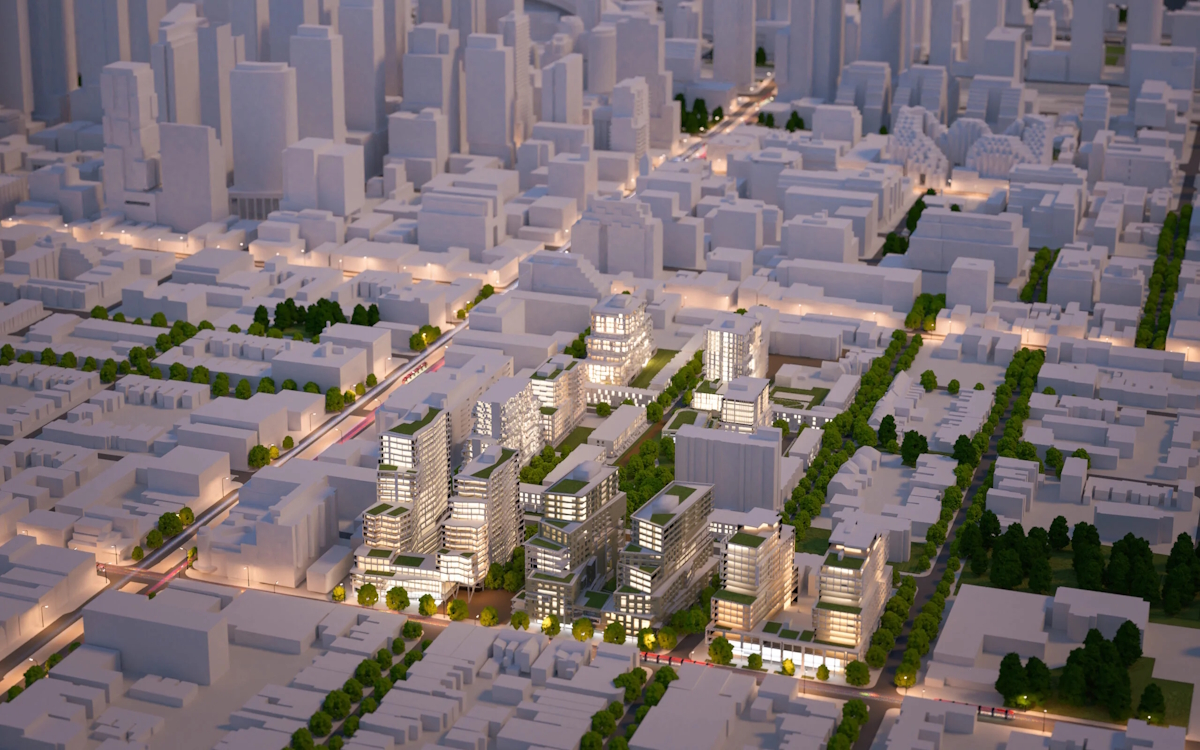
From Predictive to Adaptive Urban Planning: How AI is Transforming City Design

From Predictive to Adaptive Urban Planning: How AI is Transforming City Design

Cities have always evolved in response to human needs, but the pace and complexity of today's urban challenges have surpassed the capabilities of traditional planning models. While predictive planning — based on forecasts and statistical models — has been instrumental in estimating urban growth, traffic patterns, or energy consumption, it is no longer sufficient on its own. The rise of continuous, real-time data flows has opened the door to a new paradigm: adaptive urban planning, powered by artificial intelligence. Adaptive urban planning enables cities to not only forecast but also respond in real time to changing conditions. Rather than relying…
Read More
Artificial Intelligence and the Future of Cities – a new blog by the IDHUS Institute

Artificial Intelligence and the Future of Cities – a new blog by the IDHUS Institute

We are happy to present and start today publishing our new blog series on Artificial Intelligence and the Future of Cities, exploring how emerging technologies are reshaping the urban world — not just through efficiency and automation, but through a deeper transformation of how cities think, feel, and evolve. Across in-depth articles, this blog will examine the convergence of artificial intelligence, data, and human values in the design and governance of the cities of tomorrow. From predictive urban planning to ethical governance, from renewable energy systems to inclusive public services, each article reveals how AI is becoming a catalyst for…
Read More
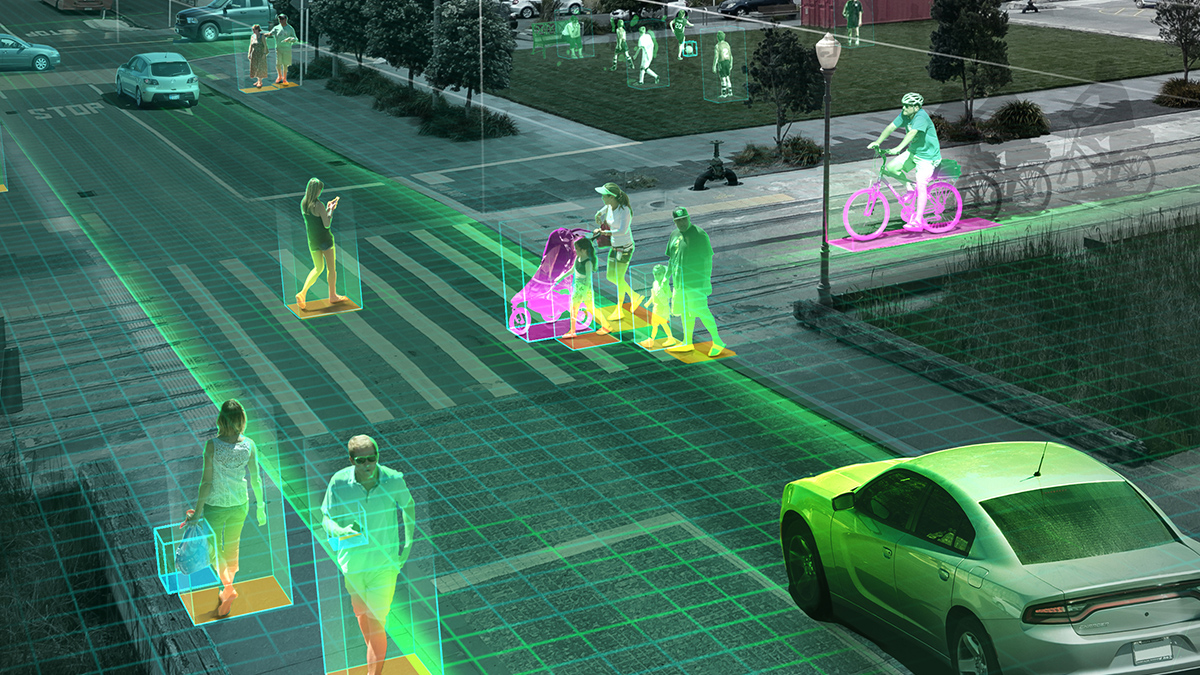
Transforming Urban Mobility Through Data and Artificial Intelligence: Evidence, Analysis, and Strategic Decisions

Transforming Urban Mobility Through Data and Artificial Intelligence: Evidence, Analysis, and Strategic Decisions

  The evolution of urban mobility within the framework of smart cities is undergoing a paradigm shift—one that is increasingly driven by data and powered by the exponential capabilities of artificial intelligence (AI). Traditional urban planning models, largely reactive and infrastructure-centric, are being replaced by data-informed, proactive systems capable of not only identifying and interpreting mobility patterns, but also of projecting future demand, optimizing existing infrastructure, and informing inclusive and sustainable public policies. AI emerges not merely as a tool but as a strategic enabler of intelligent mobility ecosystems that can dynamically adapt to urban complexity and social transformation. The…
Read More
Artificial Intelligence in the Public Sector: Strategic Scenarios and the Rise of Chatbots by 2030

Artificial Intelligence in the Public Sector: Strategic Scenarios and the Rise of Chatbots by 2030

  The advent of generative artificial intelligence (AI) represents a pivotal transformation in the public sector, marking a shift that transcends the simple digitalization of services and processes. Unlike earlier waves of technological innovation that primarily focused on digitizing paperwork or automating specific tasks, generative AI introduces a deeper, structural change. It signals the emergence of cognitive capabilities within public administration—an evolution from static digital infrastructures to dynamic, intelligent systems capable of learning, reasoning, and proactively responding to societal needs. According to the report Artificial Intelligence and the Public Sector: Scenarios for 2030, published in October 2025 by Anteverti in…
Read More
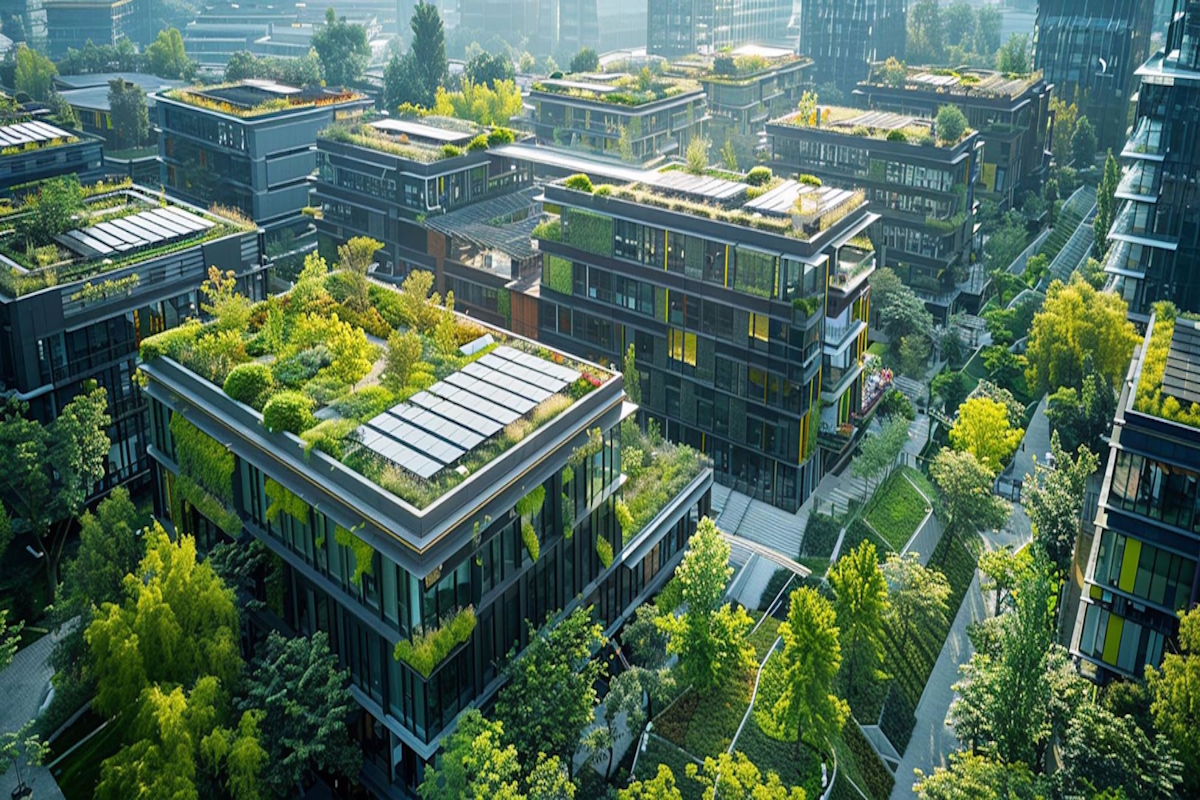
How Digitalization and Artificial Intelligence Can Transform Cities into Net Zero Urban Environments

How Digitalization and Artificial Intelligence Can Transform Cities into Net Zero Urban Environments

Urban centers, while occupying less than 2% of the Earth's land surface, are responsible for an overwhelming 78% of global energy consumption and approximately 70% of greenhouse gas emissions, according to UN-Habitat. With more than half of the world’s population already residing in cities—and forecasts indicating that this trend will only intensify—urbanization stands as both a critical driver of economic development and a central contributor to climate change. In this scenario, reimagining how cities are planned, built, and managed is not just desirable but imperative for the global transition toward environmental sustainability and carbon neutrality. The concept of Net Zero…
Read More