
Urban mobility is becoming increasingly complex as cities grow more dynamic and unpredictable. Fixed bus routes and static timetables, once the foundation of public transport planning, struggle to keep pace with changing travel patterns, fluctuating demand, and real-time disruptions. Dynamic bus routing, powered by artificial intelligence, offers a new approach—one that allows public transportation systems to adapt continuously to how cities actually move.
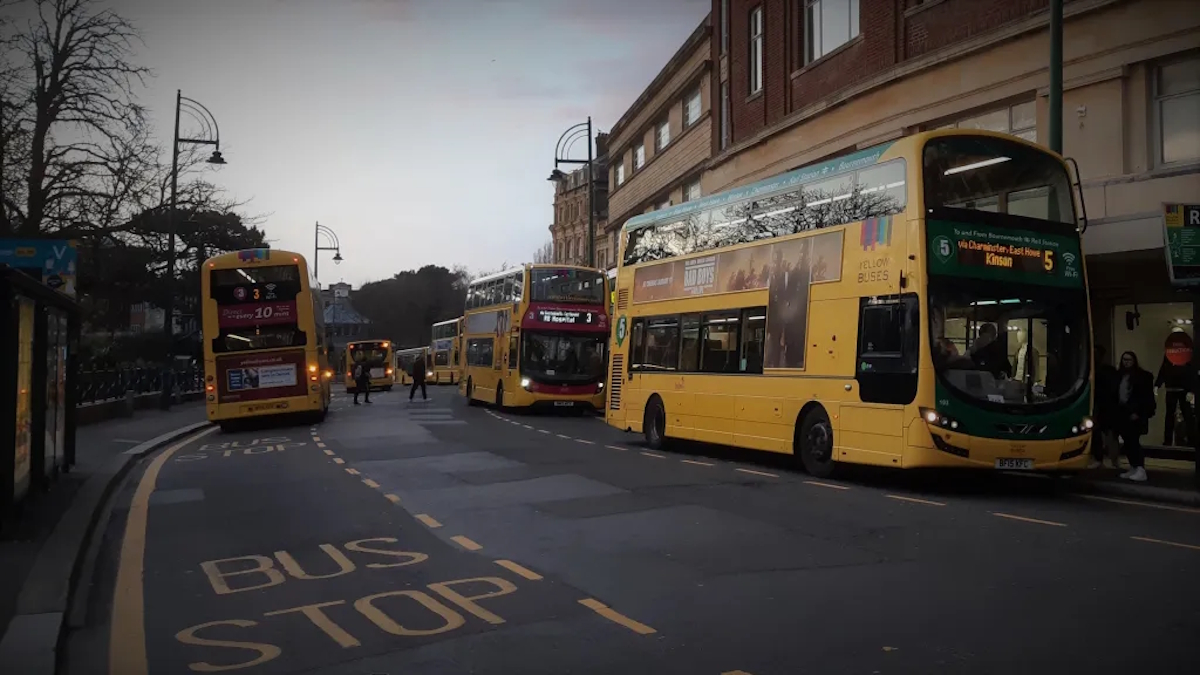
Public transportation has always been a delicate balance between efficiency, reliability, and simplicity. Fixed routes and timetables have historically provided predictability for passengers and operators alike, but they also impose rigidity on systems that operate within increasingly complex and fast-changing urban environments. Modern cities no longer follow uniform daily patterns: commuting hours vary, remote work alters peak demand, tourism fluctuates seasonally, and cultural or sporting events can transform mobility needs in a matter of hours. Yet in many cities, bus networks still operate as if demand were static.
The consequence of this mismatch is well known. Buses are overcrowded during peak periods, underutilized during off-peak hours, and frequently misaligned with where people actually need to go. This inefficiency translates into longer waiting times for passengers, higher operational costs for authorities, unnecessary energy consumption, and increased emissions. Artificial intelligence is now offering a way out of this structural inefficiency through dynamic bus routing, an approach that allows public transport systems to adapt continuously to real-world conditions.
At the core of dynamic routing lies the combination of machine learning, predictive analytics, and real-time data integration. AI systems ingest vast and diverse data streams, including GPS locations of vehicles, ticketing and validation records, passenger counting sensors, traffic conditions, weather forecasts, event schedules, and even anonymized signals from mobile devices or social platforms. By analyzing this data in real time and over historical periods, AI models learn how demand evolves across space and time. They identify recurring patterns, anticipate anomalies, and forecast where capacity will be needed before congestion or service gaps appear.
This intelligence enables public transport networks to become adaptive systems rather than static infrastructures. Routes, frequencies, and stopping patterns can be adjusted dynamically throughout the day. During morning rush hours, capacity can be concentrated toward employment and education hubs; in the afternoon and evening, services can gradually shift toward residential neighborhoods, commercial zones, or leisure districts. When unexpected demand spikes occur, such as after a major concert, a football match, or a sudden weather change, AI can predict the surge and trigger rapid operational responses, deploying additional vehicles or rerouting existing ones proactively. Mobility management evolves from reactive problem-solving to anticipatory planning.
One of the most advanced expressions of this paradigm is on-demand public transport. Unlike traditional fixed-route services, on-demand systems allow passengers to request pick-up and drop-off points within a defined service area using mobile applications or digital kiosks. The AI platform aggregates incoming requests, clusters passengers with similar origins and destinations, and calculates optimized routes in real time. Vehicles are then dispatched to serve multiple users efficiently, minimizing detours and wait times. This model blends the efficiency of collective transport with the flexibility of ridesharing, making public mobility more attractive and inclusive. Cities such as Berlin, Singapore, Helsinki, and Austin have already piloted or deployed these services with promising results, particularly in low-density areas or during off-peak hours.
Dynamic routing also delivers substantial benefits in fleet management and operational resilience. Deep learning models can analyze vehicle telemetry data, including engine performance, braking patterns, battery health, and component wear, to predict maintenance needs before failures occur. This predictive maintenance approach ensures that buses are available when demand is highest and reduces costly breakdowns and service disruptions. When combined with traffic forecasts and weather predictions, AI can also optimize route duration, energy consumption, and charging or refueling schedules, contributing to lower emissions and more sustainable transport operations.
However, the transition to dynamic bus routing is not purely a technical challenge; it is equally an organizational, social, and ethical one. Real-time route adjustments require close coordination between control centers, drivers, maintenance teams, and customer service departments. For passengers, excessive or poorly communicated changes can create confusion and reduce trust in the system. Successful implementations therefore rely heavily on real-time communication tools, including mobile apps, digital displays at stops, in-vehicle screens, and automated audio announcements. Transparency and clarity are essential to ensure that flexibility enhances, rather than undermines, user experience.
Data governance and privacy are also critical considerations. Dynamic routing depends on continuous data collection about mobility patterns, sometimes involving location data derived from personal devices. To maintain public confidence, transport authorities must implement strict data protection measures. All data should be anonymized, encrypted, and used exclusively for service optimization and public benefit. AI models should be explainable and auditable, allowing regulators and citizens to understand how routing decisions are made and ensuring that algorithms do not reinforce social inequities or favor certain areas unfairly.
From a financial and institutional perspective, adaptive transit challenges traditional planning and budgeting models. Fixed-route systems are designed around stable schedules, long-term contracts, and predictable staffing. Dynamic routing introduces variability, but it also unlocks measurable efficiency gains. Cities that have adopted AI-driven optimization report reductions in operational costs of up to 20%, shorter waiting times of up to 30%, and improved service coverage without proportional increases in fleet size. These outcomes demonstrate that flexibility, when guided by data, can be both economically viable and environmentally sustainable.
Looking ahead, dynamic bus routing represents a foundational step toward fully integrated, intelligent mobility ecosystems. When connected with smart traffic signals, adaptive intersections, multimodal hubs, and other AI-enabled transport services, dynamic routing allows buses to operate as part of a coordinated urban system. Demand can be balanced across buses, trams, metro lines, bike-sharing, and shared mobility services, reducing congestion and improving overall network efficiency. Urban mobility begins to function as a single, synchronized organism rather than a collection of isolated services.
For citizens, the transformation will feel almost invisible. Buses will appear when and where they are needed, routes will seem intuitively aligned with daily routines, and waiting times will shrink without users having to understand the underlying complexity. Behind this seamless experience lies an invisible layer of intelligence, continuously learning from the city’s movement patterns and adapting in real time.
The bus networks of the future will not be designed once and left unchanged for decades. They will be continuously redesigned by artificial intelligence, evolving alongside the city itself and turning public transportation into a truly responsive, data-driven infrastructure for urban life.