Water is one of the most critical —and increasingly scarce— resources for cities around the world. Urbanization, climate change, and population growth have made it harder to ensure that every drop is used efficiently. Traditional water management systems, based on periodic inspections and static supply models, are no longer sufficient. Today’s cities need infrastructures that can sense, predict, and react. That is precisely what artificial intelligence brings to the field of predictive water management.
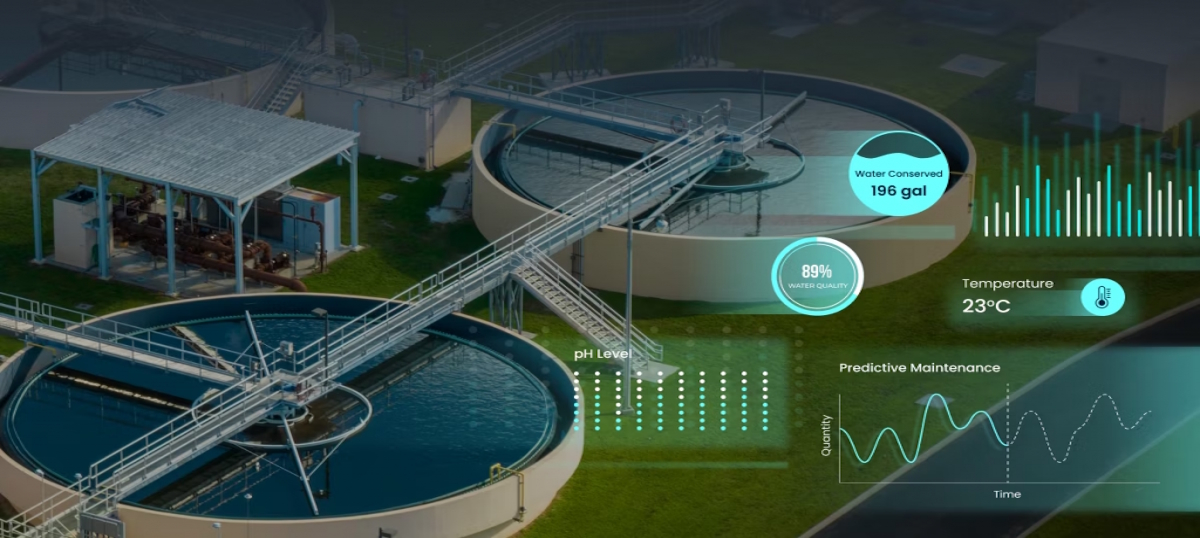
In a conventional system, leaks or pressure losses are often detected only after significant damage or waste has occurred. AI changes that equation. By analyzing continuous data from sensors embedded in pipes, pumps, and reservoirs, machine learning models can detect irregularities —small fluctuations in flow, vibration, or pressure— that may indicate the early stages of a leak. Once identified, maintenance teams can act immediately, preventing both water loss and costly infrastructure damage.
The impact of this predictive capability is enormous. Studies show that non-revenue water—the water lost through leaks, theft, or inaccurate metering—can exceed 30% in many urban networks. AI-driven monitoring systems can cut that figure dramatically by transforming maintenance from reactive to preventive. Instead of waiting for a failure, the system continuously evaluates its own health, learning from past events to predict where new faults are most likely to occur.
Artificial intelligence also enables dynamic supply optimization. Demand for water fluctuates throughout the day and across different neighborhoods depending on temperature, season, and social activity. Using historical data combined with real-time inputs, AI algorithms can forecast consumption patterns with high accuracy. The system can then automatically adjust pumping schedules, reservoir levels, and distribution routes to maintain stable pressure and minimize energy use. In this way, cities not only conserve water but also reduce the carbon footprint associated with its treatment and distribution.
Beyond efficiency, predictive water management contributes to urban resilience. Extreme weather events —such as floods, droughts, or contamination incidents— are becoming more frequent. AI-powered models can integrate climate forecasts and hydrological data to simulate how these events will affect the network and prepare adaptive responses. For example, they can anticipate a sudden rise in demand during a heatwave or adjust drainage systems ahead of heavy rainfall, reducing the risk of overflow and pollution.
Smart water systems also empower citizens. Many utilities now offer AI-assisted dashboards that allow users to monitor their own consumption, receive alerts about abnormal usage, and adopt more sustainable habits. Some cities are experimenting with gamification strategies that reward households and businesses for saving water, combining behavioral insights with predictive analytics to foster a culture of shared responsibility.
However, this digital transformation also introduces challenges. The deployment of thousands of sensors and connected devices increases the complexity of the infrastructure and demands robust cybersecurity measures. Water is a critical resource, and a cyberattack could disrupt essential services. Equally important are data governance and transparency: citizens must understand how their consumption data is used, and public institutions must guarantee that AI decisions are fair, explainable, and aligned with sustainability goals.
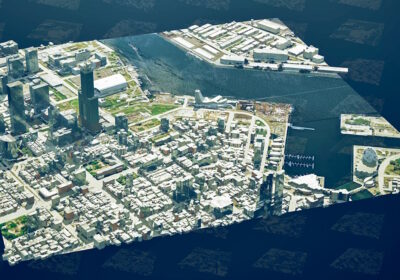
From an economic perspective, predictive water management demonstrates how artificial intelligence can make infrastructure smarter without necessarily rebuilding it. By adding intelligence to existing systems, cities can extend their lifespan, reduce losses, and improve service quality —often with limited budgets. The combination of digital twins, advanced analytics, and real-time control turns water networks into adaptive ecosystems capable of learning and evolving over time.
Ultimately, AI transforms the way we think about water: not as a fixed supply to be managed, but as a dynamic resource to be optimized. By moving from detection to prediction, cities gain the ability to foresee problems before they emerge and to build more sustainable, efficient, and resilient urban environments —where every drop truly counts.