Every bridge, tunnel, and building in a city tells a story , not just of design and construction, but of aging, stress, and constant adaptation to the forces of nature and human activity. Urban infrastructure is the skeleton of the modern city, and keeping it safe and reliable is one of the most complex engineering challenges of our time. Traditionally, maintenance has relied on scheduled inspections, human expertise, and manual diagnostics. But as cities expand and infrastructures age, this approach is becoming unsustainable.
Enter machine learning, a technology that is transforming infrastructure health monitoring from a reactive process into a predictive science.
Machine learning algorithms can process enormous volumes of structural data collected from embedded sensors, drones, and imaging systems. These sensors measure vibration, strain, temperature, displacement, corrosion, and other parameters in real time. Instead of waiting for visible deterioration or failure, AI models analyze these subtle signals to detect patterns that indicate fatigue, deformation, or material decay long before they become critical. The goal is simple but revolutionary: to identify problems before they happen.
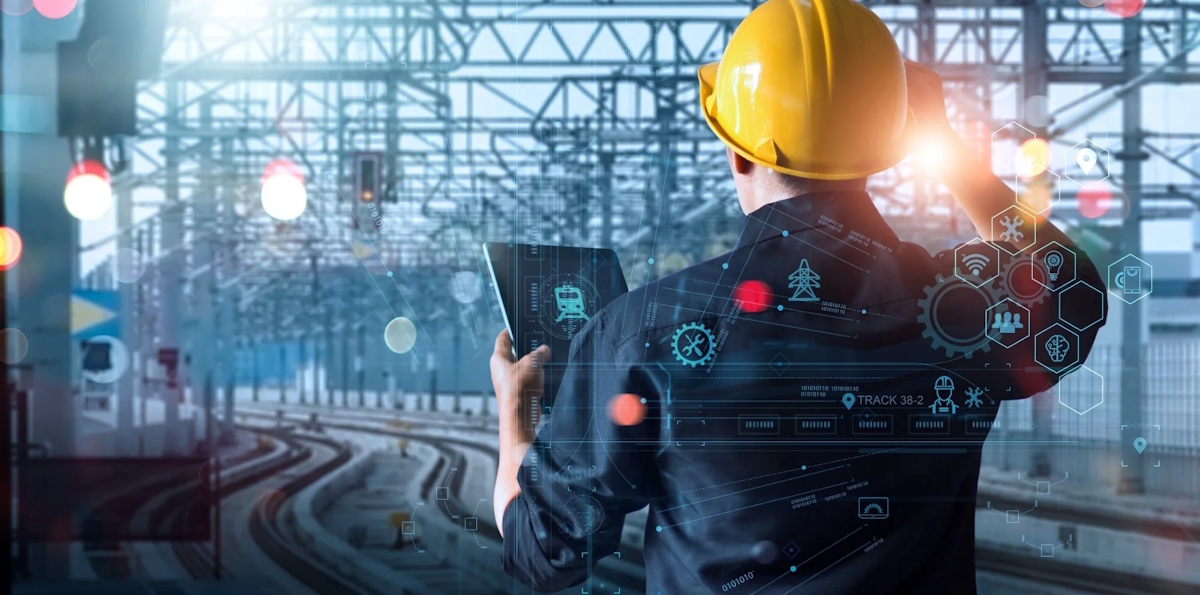
In this context, infrastructure becomes a living system that communicates its condition continuously. A bridge equipped with accelerometers and fiber-optic sensors, for example, can “tell” engineers when its stress levels deviate from normal, allowing preventive maintenance before cracks appear. Similarly, in tunnels or metro networks, AI can monitor humidity, vibration, and temperature variations to detect early signs of wear or water infiltration. Machine learning transforms raw sensor data into actionable intelligence.
The key advantage of AI lies in its ability to learn from history. By feeding algorithms with years of operational data ,from past failures, repairs, and inspections, cities can train predictive maintenance models capable of estimating how long a structure will remain safe under certain conditions. These models can even simulate different usage scenarios, helping engineers prioritize investments and allocate resources efficiently. In a world where infrastructure budgets are tight, data-driven foresight becomes as valuable as concrete itself.
Computer vision is also reshaping structural inspection. Drones equipped with high-resolution cameras and AI-based image recognition can scan bridges or façades, identifying cracks, corrosion, or surface anomalies in seconds. The system classifies each defect by severity and location, automatically generating maintenance reports that once required hours of manual work. This not only increases accuracy but also enhances worker safety by reducing the need for hazardous inspections in difficult environments.
In addition, machine learning supports asset management at the city scale. By integrating data from roads, pipelines, water networks, and buildings into centralized platforms, municipalities can track the health of thousands of assets simultaneously. AI models prioritize interventions based on risk, age, and criticality, creating an intelligent maintenance schedule that adapts to real-time conditions. The result is a more resilient city that invests where it matters most.
The benefits extend beyond safety. Predictive maintenance reduces operational costs, extends the lifespan of public assets, and minimizes the environmental footprint of reconstruction. Each avoided failure means fewer emergency repairs, less material waste, and lower carbon emissions. In this sense, AI not only preserves infrastructure but also contributes directly to sustainable urban management.
Yet, challenges remain. Deploying large-scale monitoring systems requires significant investment in sensors, connectivity, and data infrastructure. Moreover, the success of predictive models depends on data quality and standardization. Poorly calibrated sensors or inconsistent reporting can lead to false alarms or missed warnings. Cities must therefore develop clear protocols for data validation and cybersecurity to protect critical infrastructure systems from tampering or breaches.
Another important consideration is human expertise. While AI automates analysis, it does not replace engineering judgment. The collaboration between algorithms and experts is what makes predictive maintenance truly effective , AI detects patterns, but humans interpret context, evaluate risk, and decide how to act. Building this human–machine partnership is essential for trust and accountability in smart infrastructure management.
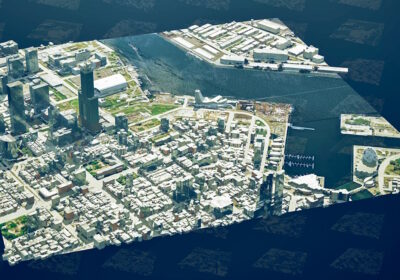
Looking ahead, the integration of AI, IoT, and digital twins will create a new paradigm of self-diagnosing infrastructure , systems that not only detect and predict damage but also propose optimized repair strategies or adapt their behavior automatically. Imagine bridges that adjust their load distribution during heavy traffic or pipelines that reroute flow to avoid pressure anomalies.
This is the future of urban resilience: cities where every structure is intelligent enough to protect itself, and every decision is informed by learning.