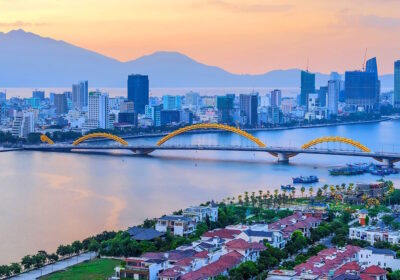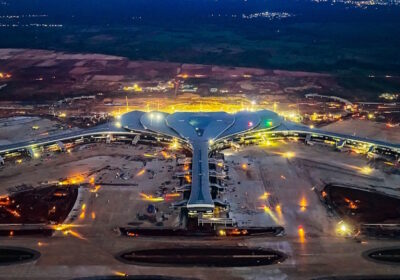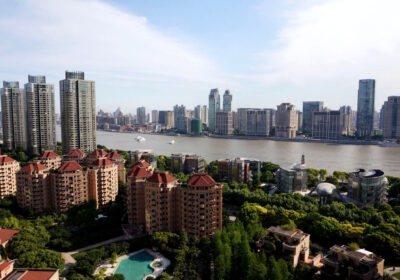
In rapidly expanding African capitals such as N’Djamena, the condition of road infrastructure is emerging as a critical determinant of economic performance, social cohesion, and urban resilience. As mobility systems struggle to keep pace with demographic growth and spatial expansion, deteriorating roads are no longer a marginal issue but a central constraint on development. Understanding how infrastructure deficits translate into economic losses and social inequalities is essential to rethinking the future of urban transformation in cities like N'Djamena
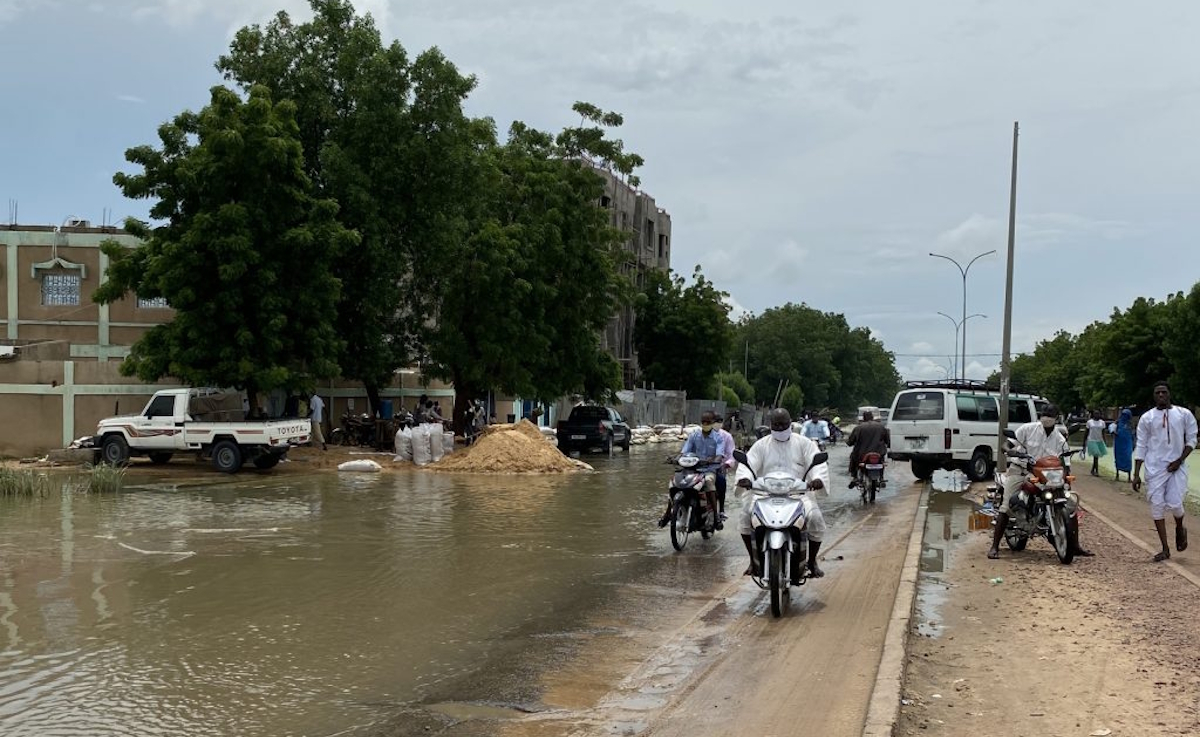
In the contemporary urban context of many rapidly growing African capitals, the condition of road infrastructure emerges not merely as a technical or logistical concern, but as a defining factor in the viability of economic systems, the cohesion of social structures, and the credibility of public governance, and in the case of N’Djamena, the capital of Chad, this reality becomes particularly visible, as the progressive degradation of its road network increasingly constrains the functioning of the city while exposing deeper structural challenges that go far beyond the physical condition of asphalt and concrete.
Road Infrastructure as the Invisible Backbone of Urban Economies
To understand the magnitude of the issue, it is essential to recognize that roads are not simply channels for mobility, but rather the foundational infrastructure upon which the entire urban economy depends, since every economic transaction, every service delivery, and every form of social interaction is, in one way or another, mediated by the ability to move efficiently through the urban space, and when this capacity is compromised, the effects ripple across all sectors in ways that are both immediate and cumulative.
In N’Djamena, where urbanization has accelerated significantly over the past two decades, the mismatch between population growth and infrastructure development has become increasingly evident, as the expansion of peripheral neighborhoods has often occurred without the parallel construction of adequate road networks, resulting in a fragmented urban fabric in which accessibility varies dramatically from one district to another, thereby creating spatial inequalities that translate directly into economic disparities.
The Hidden Economic Costs of Road Degradation
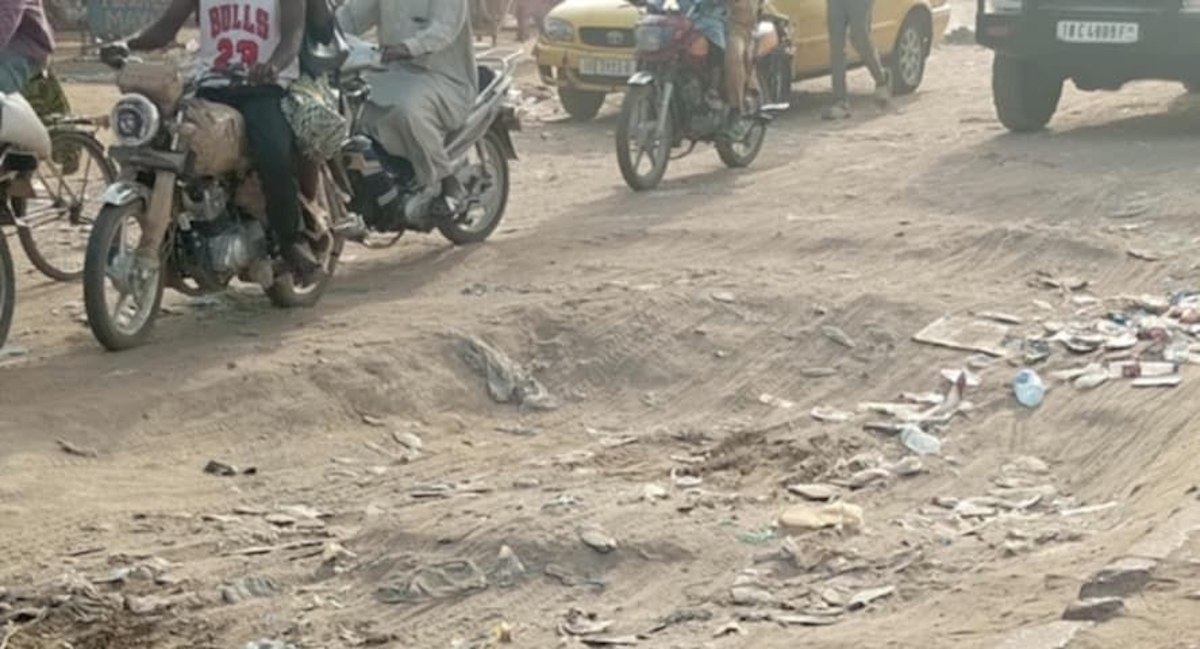
While the visible signs of deteriorating roads: potholes, dust, flooding during rainy seasons, and chronic congestion, are immediately perceptible, the true cost of this degradation lies in its invisible economic consequences, which manifest in reduced productivity, increased operational expenses, and diminished competitiveness at both the local and national levels.
For instance, a small-scale trader operating in one of the city’s outer districts may find that what should be a thirty-minute journey to a central market extends to several hours due to poor road conditions and traffic bottlenecks, which not only reduces the volume of goods that can be transported within a given timeframe but also increases fuel consumption and vehicle maintenance costs, ultimately eroding profit margins and limiting the potential for business growth, while at a macroeconomic level, such inefficiencies accumulate into substantial losses in urban output.
Estimates from comparable urban contexts in Sub-Saharan Africa suggest that traffic congestion and inadequate infrastructure can reduce urban productivity by between 2% and 5% of GDP annually, a figure that, when extrapolated to a city like N’Djamena, underscores the scale of the economic burden imposed by deficient road systems, particularly in a country where economic diversification and urban resilience are already pressing challenges.
Urban Fragmentation and the Reproduction of Inequality
Beyond economic inefficiencies, the condition of road infrastructure plays a critical role in shaping patterns of inclusion and exclusion within the city, as access to reliable roads effectively determines access to opportunities, services, and institutions, and when certain neighborhoods remain poorly connected, their residents are systematically disadvantaged in ways that extend far beyond mobility itself.
In many peripheral areas of N’Djamena, where roads may become impassable during the rainy season, residents often face significant barriers in reaching schools, healthcare facilities, and administrative services, which not only affects immediate well-being but also perpetuates long-term cycles of inequality, as limited access to education and healthcare constrains human capital development and reduces the capacity of these communities to participate fully in the urban economy.
This dynamic illustrates how infrastructure deficits can translate into social marginalization, reinforcing territorial imbalances that undermine the cohesion of the city and complicate efforts to promote inclusive urban development.
Safety, Public Health, and the Limits of Urban Resilience
The implications of deteriorating roads extend further into the domains of safety and public health, where the consequences are often both direct and severe, as poorly maintained roads increase the likelihood of accidents, particularly for vulnerable users such as motorcyclists and pedestrians, who constitute a significant proportion of urban mobility in cities like N’Djamena.
At the same time, the inefficiency of the road network can critically hinder the responsiveness of emergency services, as ambulances, fire brigades, and law enforcement vehicles encounter delays that can prove decisive in situations where minutes matter, thereby exposing the limits of urban resilience in the face of everyday risks and unexpected crises alike.
Moreover, the environmental dimension cannot be overlooked, since deteriorated roads contribute to higher levels of dust and emissions, exacerbating respiratory health issues and reducing overall urban livability, particularly in densely populated areas where exposure is continuous and cumulative.
Structural Weaknesses in Planning and Governance
The persistence of these challenges points to deeper structural issues related to urban planning and governance, as the inadequacy of road infrastructure is often not merely a question of limited financial resources, but rather the result of fragmented planning processes, insufficient maintenance strategies, and a lack of long-term vision, which together create a cycle in which infrastructure deteriorates faster than it can be repaired or upgraded.
In the case of N’Djamena, the rapid pace of urban expansion has frequently outstripped the capacity of planning institutions to anticipate and manage growth, leading to the emergence of informal or semi-formal settlements that lack integration into the broader urban grid, while existing roads, often designed for significantly lower traffic volumes, are subjected to levels of use that accelerate their degradation and reduce their functional lifespan.
This situation highlights the need for a more integrated approach to urban development, in which infrastructure planning is aligned with demographic trends, economic strategies, and environmental considerations, rather than being treated as a reactive or secondary concern.
Toward a Strategic Reframing of Road Infrastructure
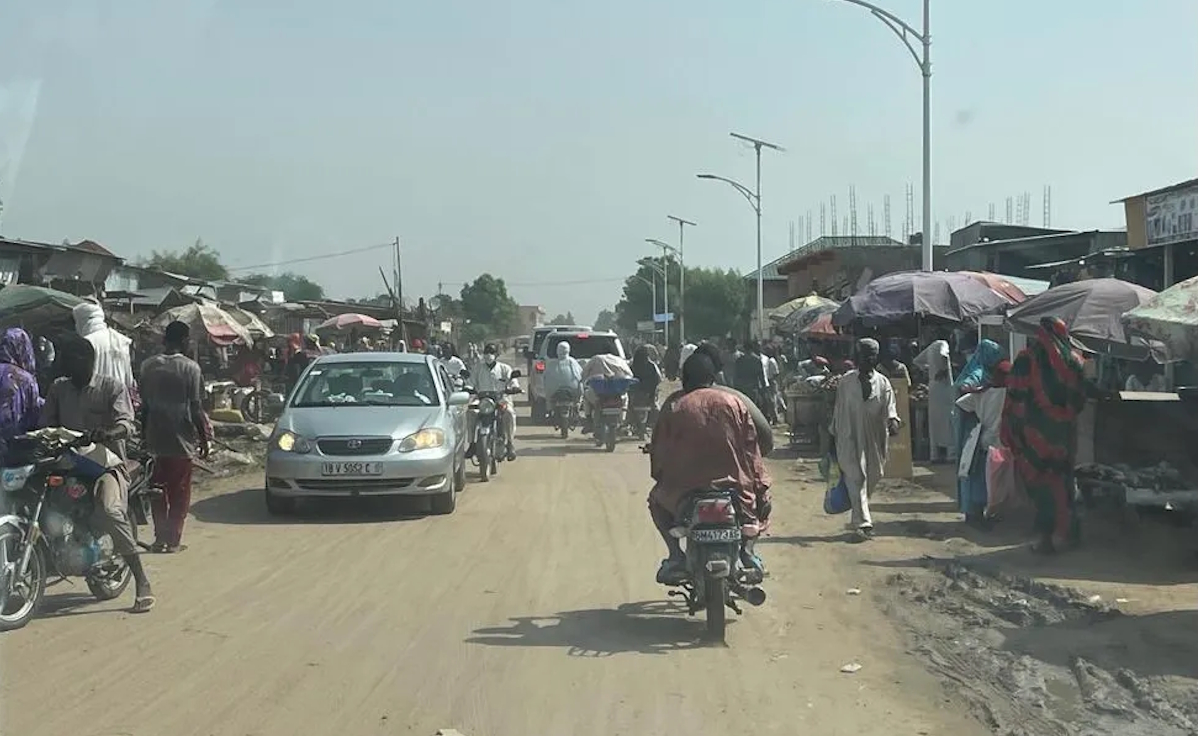
In light of these dynamics, it becomes increasingly clear that road infrastructure must be reframed not as a peripheral element of urban policy, but as a central instrument of economic transformation and social integration, requiring a shift in both political priorities and investment strategies that recognizes the multiplicative impact of well-designed and well-maintained roads.
A practical example can be drawn from targeted interventions in similar contexts, where the rehabilitation of key transport corridors has led to measurable improvements in travel times, reductions in logistics costs, and increased commercial activity, demonstrating that even incremental upgrades, when strategically implemented, can generate significant returns across multiple dimensions of urban life.
Such an approach would entail not only the construction of new roads where necessary, but also the establishment of robust maintenance systems, the adoption of data-driven planning tools, and the integration of resilience measures to ensure that infrastructure can withstand the environmental and operational pressures to which it is inevitably subjected.
The Narrative of Infrastructure and National Ambition
Ultimately, the condition of a city’s roads tells a broader story about its trajectory and its aspirations, as infrastructure serves as both a reflection of governance capacity and a determinant of future possibilities, and in N’Djamena, the current state of the road network encapsulates a critical juncture at which the choices made today will shape the city’s economic and social landscape for decades to come.
To neglect this dimension is to accept a form of structural stagnation in which inefficiencies, inequalities, and vulnerabilities become entrenched, whereas to address it with clarity and determination is to unlock pathways toward a more dynamic, inclusive, and resilient urban future, in which mobility is not a constraint but a catalyst for development.