
By mid-century, cities will not only be home to the majority of the world’s population, they will also become the primary arenas in which the most decisive challenges of our time are addressed. Climate change, energy security, social inclusion, and economic competitiveness are converging within urban boundaries, forcing cities to evolve beyond traditional models of growth and management. As demographic pressure intensifies and resources become increasingly constrained, the way cities produce, distribute, and consume energy, manage data, and design services will define their long-term sustainability
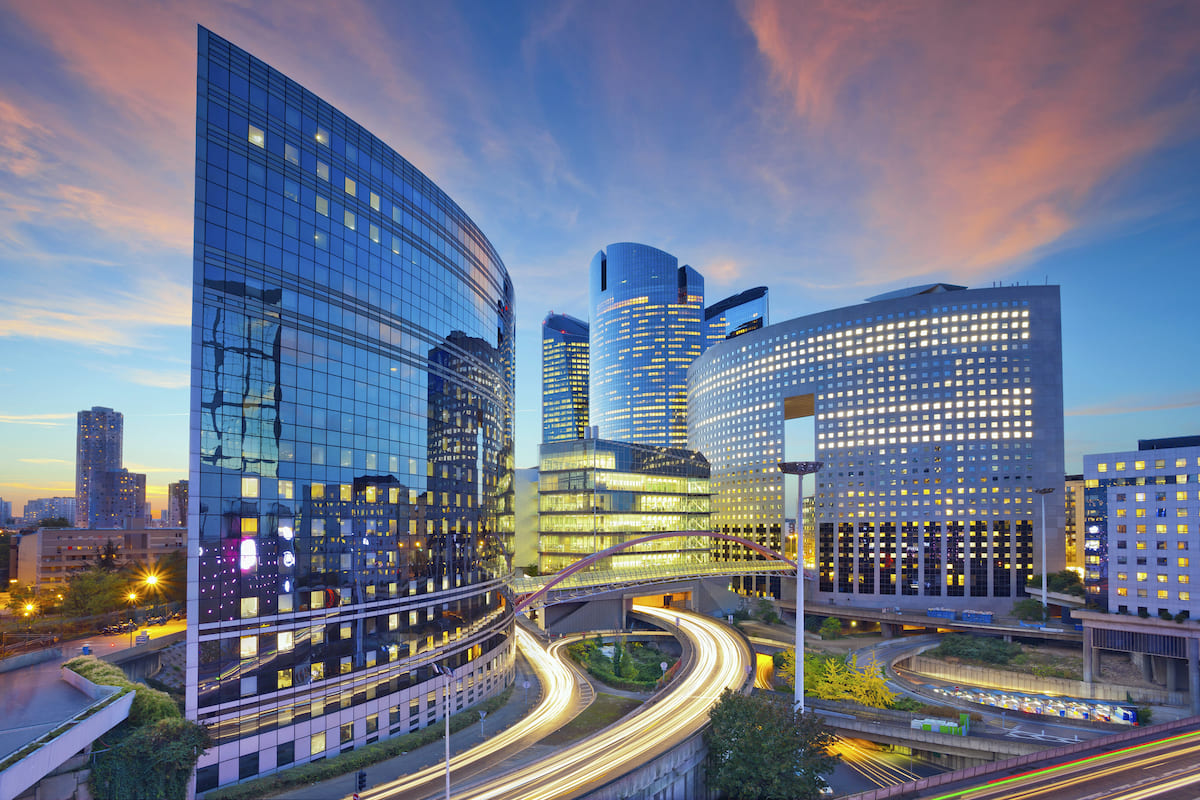
Cities are rapidly becoming the primary environment in which the future of humanity will be defined, as they are expected to host nearly 70 percent of the global population by 2050. This demographic shift, already underway, places unprecedented pressure on urban systems, infrastructures, and governance models, requiring cities to rethink their role, structure, and functioning in a profound and systemic way. Urban areas are no longer merely centers of consumption and economic activity, but increasingly complex ecosystems where energy, data, mobility, housing, and social services must interact efficiently and sustainably. In this context, the convergence of smart grids, energy storage systems, prosumers, and renewable energy communities is transforming cities into intelligent energy environments, while advanced digital technologies such as the Internet of Things, Digital Twins, and Artificial Intelligence are enabling more effective management of resources, infrastructures, and services.
Today, more than half of the world’s population lives in cities, and according to United Nations projections this share will rise dramatically over the coming decades, with the fastest growth occurring in economically fragile regions. This rapid urban expansion represents both a risk and an opportunity, as unplanned growth could exacerbate inequalities, environmental degradation, and infrastructure stress, while well-managed development could foster innovation, resilience, and social inclusion. In response to these challenges, cities are increasingly adopting the smart city paradigm, which integrates digital technologies, sustainable energy systems, and data-driven governance to improve quality of life and long-term competitiveness. The transformation toward smarter cities is not a future vision alone, but a process already unfolding, driven by the urgent need to adapt urban systems to climate change, resource scarcity, and evolving social needs.
The trends defining the cities of tomorrow are already visible across multiple dimensions of urban life. Energy efficiency, climate adaptation, water resource management, and the evolution of housing models are becoming strategic priorities for urban planners and policymakers. These challenges will shape not only the livability of cities, but also their capacity to remain resilient, attractive, and economically viable in the decades ahead. As cities grow denser and more complex, traditional approaches to infrastructure and service delivery are no longer sufficient, making integrated and intelligent solutions essential.
Within this transformation, smart cities are emerging as a central driver of the energy transition. The city of the future must address rising energy demand while managing increasingly scarce natural resources and serving a global urban population expected to approach 6.7 billion people. The core challenge lies not in producing more energy, but in managing energy more intelligently, through flexible and interconnected urban infrastructures capable of integrating renewable sources, forecasting demand patterns, and minimizing waste. Smart grids represent a cornerstone of this new paradigm, enabling real-time monitoring and dynamic management of electricity flows while seamlessly integrating photovoltaic, wind, and other low-carbon technologies into the urban energy mix.
Alongside smart grids, energy storage systems are assuming a strategic role in ensuring stability and resilience within urban energy networks. Distributed storage solutions, ranging from residential batteries to shared building-level systems and centralized facilities, are becoming embedded within the urban fabric. These systems enhance grid reliability, support the integration of renewables, and increase local energy autonomy, reducing dependence on centralized generation and mitigating the volatility associated with renewable energy production. As a result, cities are evolving into more self-sufficient and adaptive energy systems.
A fundamental shift is also occurring in the role of urban energy users, who are increasingly becoming prosumers rather than passive consumers. Through rooftop photovoltaic installations and other distributed generation technologies, citizens and businesses are actively producing energy, sharing it within their communities, or feeding surplus electricity into the grid. This evolution is closely linked to the rise of Renewable Energy Communities, collaborative models that enable groups of users to collectively generate, manage, and consume renewable energy. By transforming neighborhoods and residential buildings into autonomous energy micro-ecosystems, energy communities deliver environmental benefits while also creating economic and social value at the local level. In this model, the city becomes a living organism capable of producing, distributing, and optimizing energy flows in a decentralized and participatory manner.
The cities of the future will ultimately be shaped by the intersection of demographic evolution and technological innovation, with digitalization acting as the key enabler of more efficient, sustainable, and responsive urban ecosystems. At the core of this digital transformation lie three deeply interconnected technologies that form the backbone of both present and future smart cities: the Internet of Things, Digital Twins, and Artificial Intelligence. Together, these technologies enable cities to sense, understand, and actively manage their own complexity.
The Internet of Things functions as the urban nervous system, consisting of a dense network of sensors and connected devices that continuously collect data on traffic flows, energy consumption, air quality, infrastructure performance, and building efficiency. This real-time visibility allows city managers to monitor conditions as they evolve and respond more effectively to emerging issues. Building upon this data layer, Digital Twins create dynamic and continuously updated virtual replicas of physical assets, infrastructures, and even entire districts. These virtual models enable cities to simulate future scenarios, assess the impact of policy decisions, and test solutions in a risk-free digital environment before implementing them in the real world.
Artificial Intelligence serves as the operational brain of the smart city, processing vast volumes of data generated by IoT systems and Digital Twins to produce actionable insights and strategic guidance. AI-driven analytics make it possible to anticipate critical situations, optimize resource allocation, reduce inefficiencies, and improve the quality of urban services, while also supporting policymakers in making more informed and timely decisions. The integration of these technologies marks a decisive step toward cities that are not only connected and data-rich, but also adaptive and intelligent.