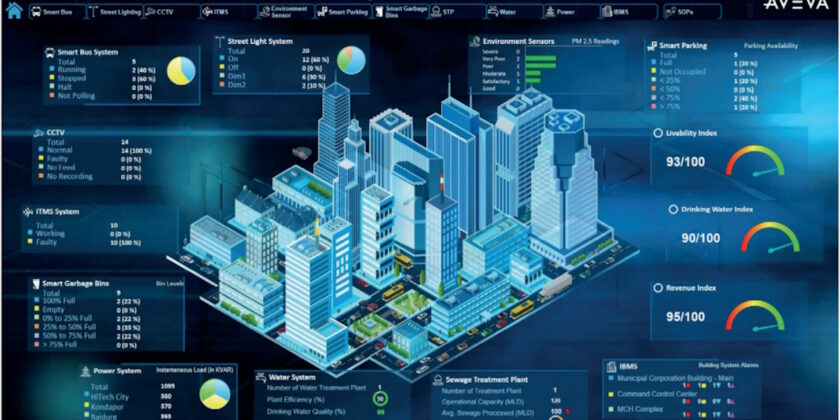
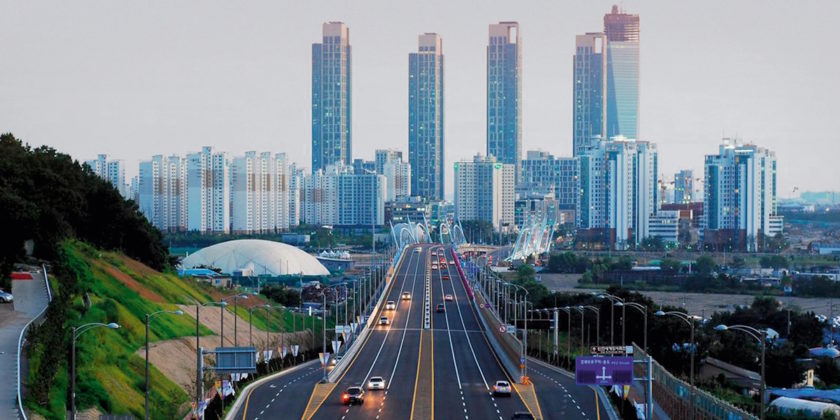
Over the last two decades, the concept of the smart city has been widely adopted as a shorthand for urban progress, frequently associated with connected infrastructure, pervasive sensors, data platforms, automation, and the promise of systems that can be optimized through computation. In practice, the smart city is not a single technology but an integrated socio-technical architecture in which digital networks, edge devices, cloud services, and analytics form a continuous feedback loop between the physical city and its digital representations. This loop enables real-time visibility…
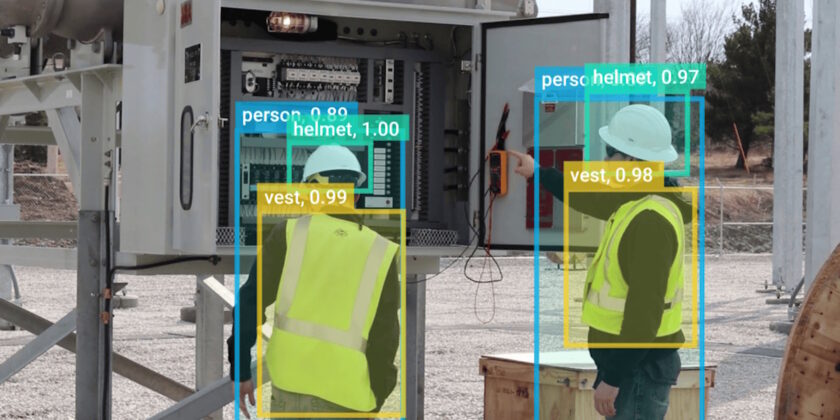
Construction and public works constitute the physical backbone of cities. Roads, bridges, tunnels, water distribution systems, public housing, and energy infrastructure shape not only urban landscapes but also economic productivity, social cohesion, and quality of life. Despite their importance, public works projects remain among the most complex, expensive, and risk-prone activities in urban management. Delays, cost overruns, safety incidents, and quality issues are persistent challenges, often driven by fragmented information, limited real-time visibility, and reactive decision-making. Artificial intelligence, and particularly computer vision, is fundamentally transforming…
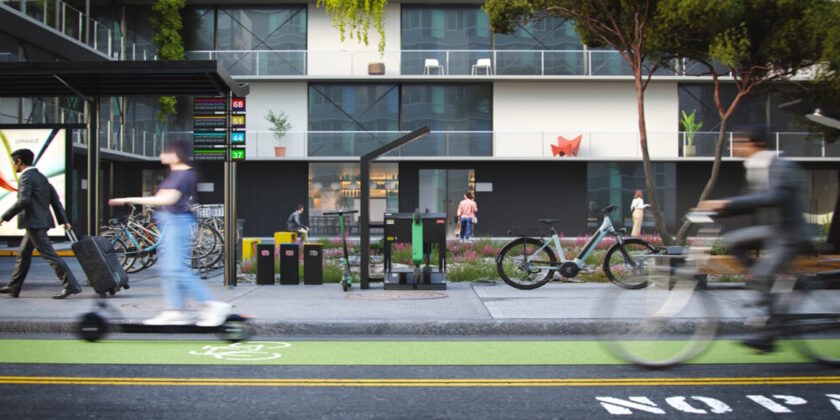
For decades, cities have judged their progress through what can be counted: GDP, commute times, building permits, energy demand, tourism figures, crime rates. These metrics matter, but they are also blunt instruments. They describe output, not experience. Two cities can have the same growth rate and mobility performance while feeling radically different to live in—one stressful and alienating, the other safe, welcoming, and meaningful. As urban challenges intensify—housing pressures, climate risks, aging infrastructure, social polarization—the next evolution of “smart city” thinking is shifting from automation…
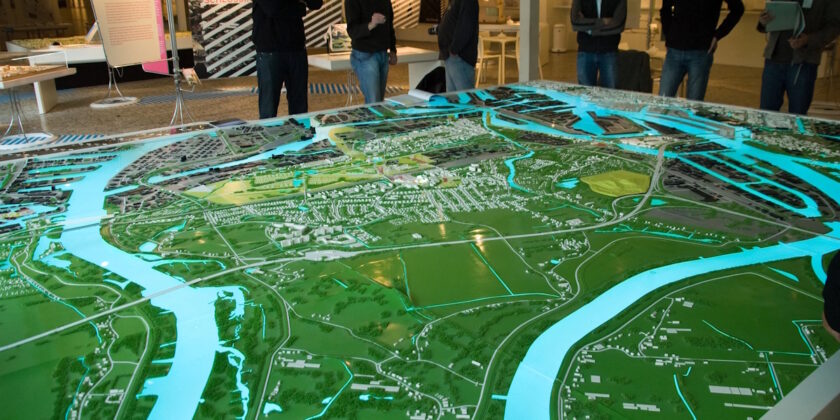
In the past, urban planning relied heavily on maps, models, and projections. Today, cities are embracing a more powerful tool, one that doesn’t just represent the physical world but mirrors it in real time. This tool is the digital twin, a dynamic, data-driven replica of the city that allows planners, engineers, and policymakers to simulate, analyze, and predict urban behavior before it unfolds in the real world. Digital twins are rapidly becoming the nervous system of smart cities, transforming how we design, manage, and experience…
Cities have always reflected human behavior, our needs, routines, and ambitions are written into their streets and skylines. But what if cities could do more than reflect us? What if they could learn from us? The emerging field of cognitive urbanism explores this question, envisioning cities as adaptive systems that evolve through continuous interaction with their inhabitants. Fueled by artificial intelligence, data analytics, and behavioral science, this approach is redefining the relationship between humans and the urban environment. Cognitive urbanism sees the city not as…
In the rapidly evolving landscape of urban development, the concept of the "Smart City" is no longer a distant ideal, but an emerging reality shaped by the integration of cutting-edge technologies—chief among them, artificial intelligence (AI). As the world’s urban population continues to rise, the pressure to rethink city infrastructure, resource management, mobility, public services, and sustainability has never been more critical. In this context, AI emerges not merely as a technological tool, but as the cognitive framework that can enable cities to become truly…
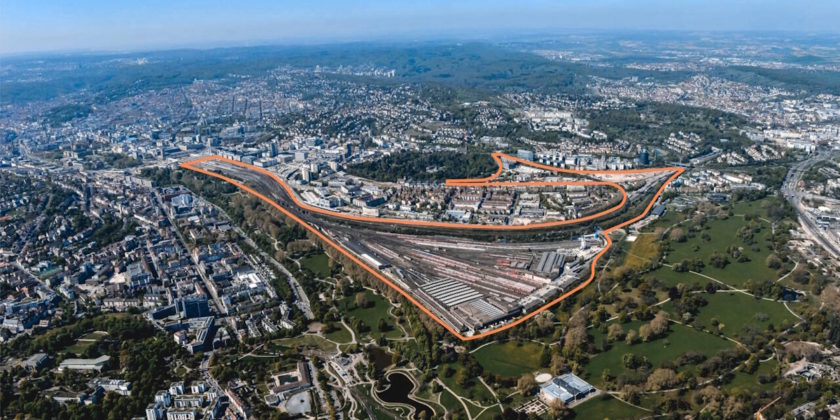
The city of Stuttgart has taken a significant step forward in its long-term urban development strategy with the unveiling of preliminary cost estimates and timelines for the ambitious Stuttgart Rosenstein project. This large-scale initiative, one of the most transformative in the region’s recent history, aims to redevelop a vast inner-city area freed up by the restructuring of railway infrastructure linked to the Stuttgart 21 project. According to figures presented by the city administration to the Stuttgart 21/Rosenstein committee, the estimated investment required for planning,…