The Ethical City: Managing Algorithmic Bias in Urban AI Systems

The Ethical City: Managing Algorithmic Bias in Urban AI Systems

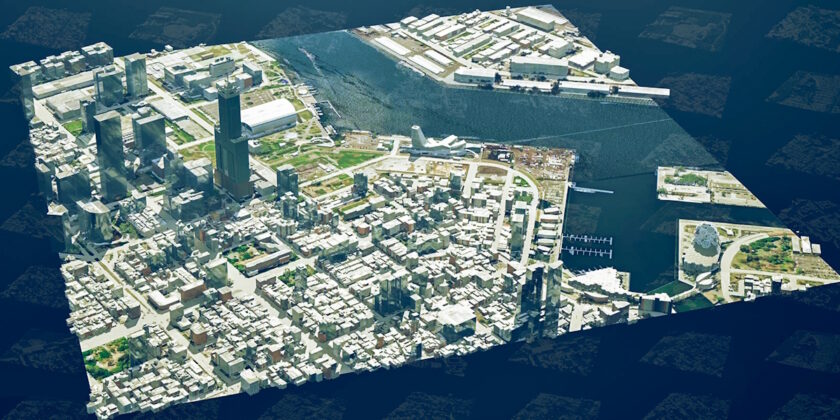
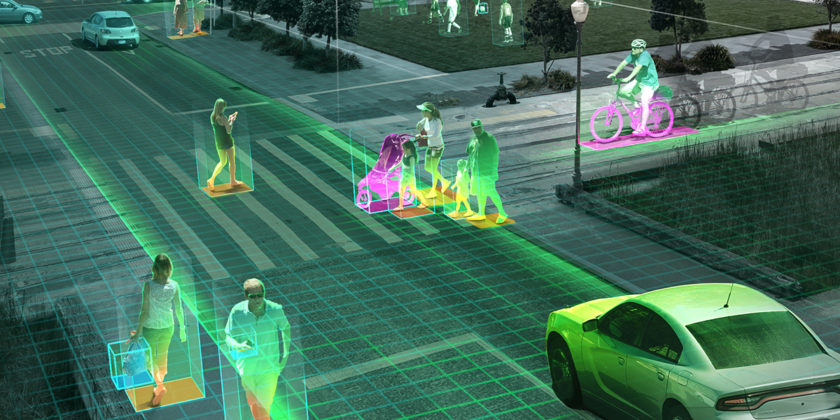
As artificial intelligence becomes a central pillar of urban management, cities are gaining extraordinary new capabilities. AI helps predict traffic, optimize energy use, monitor pollution, and even guide public investment. Yet behind these technical achievements lies a crucial question: are the algorithms governing our cities fair? The idea of the ethical city, one that uses intelligence responsibly, transparently, and inclusively, is becoming one of the most urgent debates in the age of smart urbanism. Every AI system learns from data. And data, no matter how…
Read the rest
Infrastructure Health Monitoring through Machine Learning

Infrastructure Health Monitoring through Machine Learning

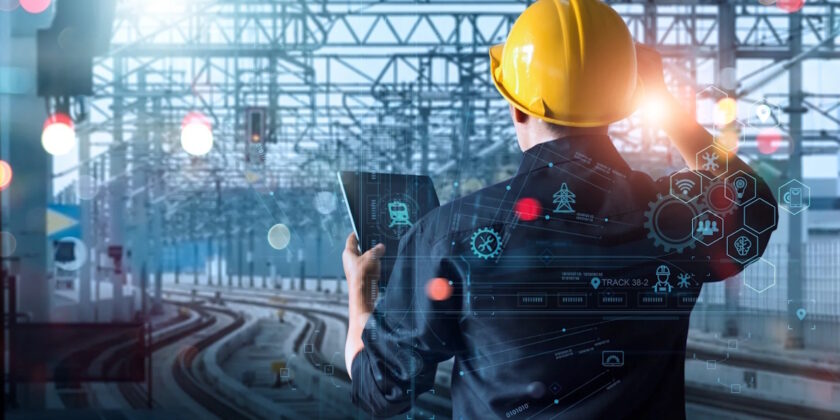
Every bridge, tunnel, and building in a city tells a story , not just of design and construction, but of aging, stress, and constant adaptation to the forces of nature and human activity. Urban infrastructure is the skeleton of the modern city, and keeping it safe and reliable is one of the most complex engineering challenges of our time. Traditionally, maintenance has relied on scheduled inspections, human expertise, and manual diagnostics. But as cities expand and infrastructures age, this approach is becoming unsustainable. Enter machine…
Read the rest
Predictive Water Management: Preventing Leaks and Optimizing Supply with AI

Predictive Water Management: Preventing Leaks and Optimizing Supply with AI

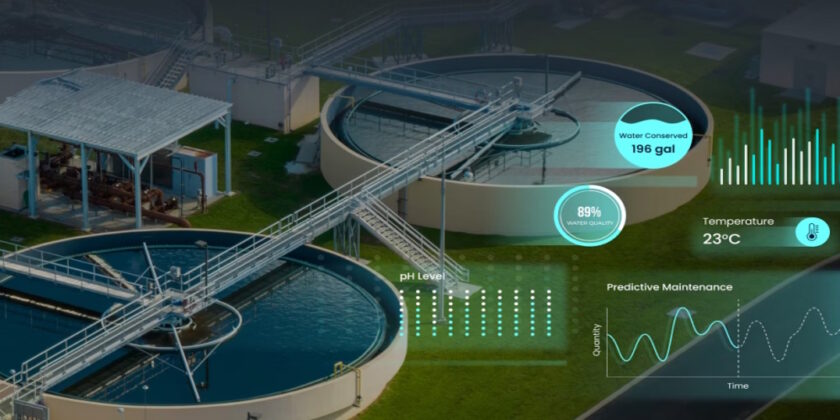
Water is one of the most critical —and increasingly scarce— resources for cities around the world. Urbanization, climate change, and population growth have made it harder to ensure that every drop is used efficiently. Traditional water management systems, based on periodic inspections and static supply models, are no longer sufficient. Today’s cities need infrastructures that can sense, predict, and react. That is precisely what artificial intelligence brings to the field of predictive water management. In a conventional system, leaks or pressure losses are often detected…
Read the rest
The Future of Rural Areas: Generational Renewal, Artificial Intelligence Integration, and the Digital Transformation of Agriculture

The Future of Rural Areas: Generational Renewal, Artificial Intelligence Integration, and the Digital Transformation of Agriculture

  The relationship between humanity and rural environments is as ancient as civilization itself. From the dawn of sedentary life through agriculture and animal domestication, rural societies have been the foundation of food production and societal development. However, in the 21st century, this historical legacy faces complex challenges—chief among them, an aging population of agricultural workers, land abandonment, and a disconnect between rural life and younger generations. At the same time, unprecedented opportunities are emerging through technological innovation, particularly through the implementation of artificial intelligence…
Read the rest
AI and Smart Cities: Building the Future Through Government-Municipal Collaboration

AI and Smart Cities: Building the Future Through Government-Municipal Collaboration

  The digital transformation of cities is rapidly becoming one of the most defining challenges and opportunities of the 21st century. As urban populations continue to grow, municipalities face increasing pressure to deliver more efficient, sustainable, and inclusive public services. In this context, artificial intelligence (AI) emerges not only as a technological enabler but as a strategic catalyst capable of reshaping how urban spaces are managed, governed, and experienced. During the recent Smart City Expo World Congress, held in Barcelona from November 4 to 6,…
Read the rest
Artificial Intelligence in the Public Sector: Strategic Scenarios and the Rise of Chatbots by 2030

Artificial Intelligence in the Public Sector: Strategic Scenarios and the Rise of Chatbots by 2030

  The advent of generative artificial intelligence (AI) represents a pivotal transformation in the public sector, marking a shift that transcends the simple digitalization of services and processes. Unlike earlier waves of technological innovation that primarily focused on digitizing paperwork or automating specific tasks, generative AI introduces a deeper, structural change. It signals the emergence of cognitive capabilities within public administration—an evolution from static digital infrastructures to dynamic, intelligent systems capable of learning, reasoning, and proactively responding to societal needs. According to the report Artificial…
Read the rest