
Dong Nai is emerging as a compelling example of how rapid industrial growth can be aligned with environmental protection and long-term urban sustainability. Through integrated pollution control systems, advanced waste management, strong forest conservation policies, and a clear decarbonization roadmap, the province is progressively building a model of development in which economic competitiveness and ecological resilience evolve together
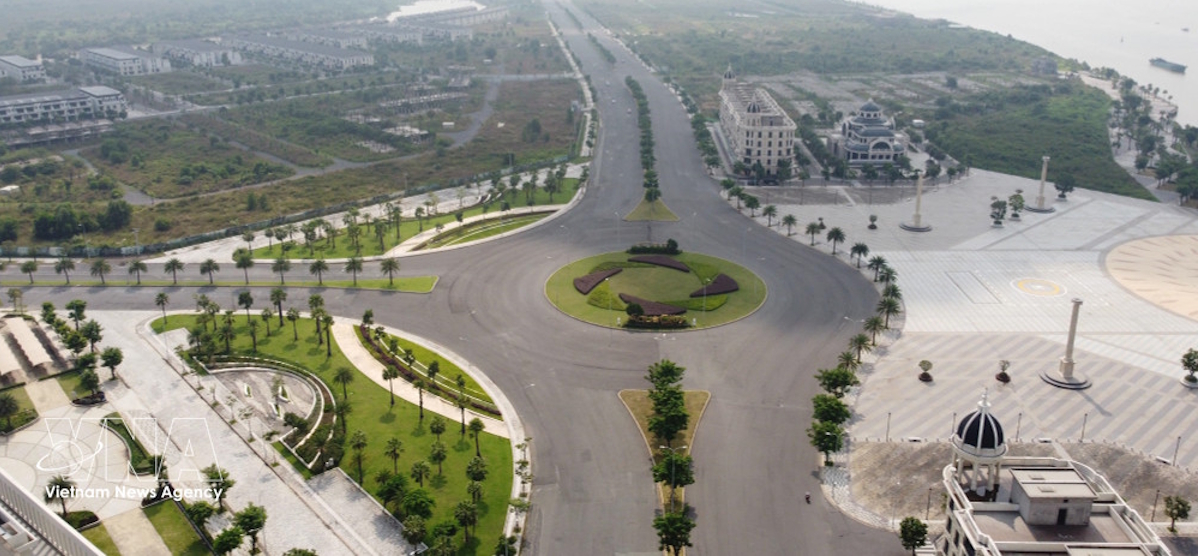
The transition toward sustainable cities is no longer understood merely as an urban planning aspiration or an environmental policy objective, but rather as a structural transformation in which economic development, industrial competitiveness, ecological preservation, and social well-being must evolve in an integrated and mutually reinforcing manner. In this context, a green environment constitutes the essential foundation upon which any credible model of long-term urban sustainability must be built, particularly in rapidly industrializing territories where growth pressures can easily generate significant environmental externalities if not properly managed. Dong Nai, one of Vietnam’s most economically dynamic provinces and a major industrial hub in the southern region, offers an increasingly relevant case study of how environmental governance can be embedded into the broader strategy of urban modernization. The province currently combines a strong industrial base with comparatively high levels of environmental control, particularly in areas such as industrial wastewater treatment, domestic waste management, forest conservation, and emissions reduction planning. These achievements are not merely technical indicators, but rather reflect a broader governance philosophy in which economic expansion is progressively aligned with environmental resilience and ecological stewardship.
Integrated Control of Industrial Emissions and Urban Pollution Sources
As one of the country’s principal industrial centers, Dong Nai faces a complex environmental governance challenge that is characteristic of fast-growing metropolitan and peri-urban regions: how to maintain industrial productivity while systematically controlling pollution risks across water, air, soil, and waste streams. The province’s response to this challenge has increasingly taken the form of a comprehensive and institutionalized environmental control framework, particularly within its industrial zones. At present, Dong Nai has 43 industrial parks in operation, of which 42 have invested in centralized wastewater treatment infrastructure, achieving a coverage rate close to 98 percent. This figure is particularly significant when viewed in the context of regional industrial development, where many fast-growing territories still struggle with fragmented or insufficient treatment capacity.
Beyond physical infrastructure, the province has also advanced in the digitalization of environmental supervision. Of the industrial parks currently operating under stable compliance conditions, 38 have installed automated wastewater monitoring systems capable of transmitting real-time data to the relevant regulatory authorities. This allows environmental agencies to move beyond periodic inspections toward a model of continuous compliance oversight, in which deviations from regulatory thresholds can be detected and addressed with far greater speed. This shift from reactive inspection to continuous digital monitoring is one of the defining characteristics of contemporary sustainable urban-industrial governance. For example, if a wastewater treatment facility in an industrial park records abnormal levels of chemical oxygen demand or suspended solids, the system can immediately trigger alerts, enabling authorities to require corrective action before contamination spreads into surrounding waterways.
Complementing this automated infrastructure, specialized agencies carry out monthly sampling and laboratory analysis of treated wastewater, ensuring that data-driven monitoring is reinforced by physical verification processes. This dual approach strengthens institutional credibility and reduces the risk of regulatory blind spots. According to provincial authorities, the majority of industrial parks have already completed the required investment in automated systems and are actively sharing environmental performance data with supervisory bodies.
Urban Waste Management and the Transition Toward Circular Systems
In parallel with industrial pollution control, Dong Nai has also made significant progress in managing municipal solid waste, an increasingly strategic issue in rapidly urbanizing regions. The province currently generates more than 2,600 tons of domestic waste per day, a volume that illustrates both the scale of urban expansion and the operational demands placed on local environmental services. Of this total, approximately 78 percent is collected and processed in compliance with existing regulations, a figure that, while significant, also highlights the remaining challenge of universal coverage and treatment efficiency.
A particularly noteworthy aspect of Dong Nai’s strategy is its long-term commitment to waste separation at source. Rather than treating waste management solely as a downstream disposal issue, the province has recognized that sustainable waste governance begins at the point of generation, within households, institutions, and commercial facilities. By the end of 2026, authorities expect nearly 60 percent of households and 100 percent of public agencies and administrative units to participate in source separation programs. This represents an important cultural as well as technical transformation, since the success of circular waste systems depends heavily on citizen participation and behavioral change.
A practical example of the potential impact of this policy can be seen in organic waste streams. If household organic waste is effectively separated from plastics, metals, and residual waste, it can be redirected toward composting or bioenergy production rather than landfill disposal, thereby reducing methane emissions and extending landfill life cycles. Such measures are particularly relevant in the context of climate-oriented urban policy.
The province is also moving toward more advanced technological solutions through the implementation of five waste-to-energy projects included in the revised Power Development Plan VIII. Once operational, these facilities are expected not only to reduce landfill dependency but also to generate clean electricity from urban waste streams. This model exemplifies the principles of the circular economy, in which waste is redefined as a resource input for other productive systems. The integration of waste treatment and clean energy generation is increasingly becoming a hallmark of sustainable city models worldwide, and Dong Nai’s strategic direction aligns closely with this international trend.
Wastewater Infrastructure and the Environmental Quality of Rapidly Expanding Urban Areas
One of the critical challenges facing rapidly growing urban regions is the mismatch between population growth and environmental infrastructure capacity. Dong Nai’s domestic wastewater treatment system currently includes five operational plants, but their existing capacity remains insufficient to meet the demands of accelerated urbanization. This is particularly relevant in expanding urban centers such as Bien Hoa, Long Thanh, Trang Bom, and Long Khanh, where residential growth, industrial expansion, and infrastructure development are occurring simultaneously.
To address this gap, the province has prioritized seven major drainage and wastewater treatment projects across these fast-developing areas. Once completed, these projects are expected to significantly improve water quality, reduce untreated discharge into rivers and canals, and strengthen public health conditions in urban neighborhoods. For instance, improved drainage systems can substantially reduce localized flooding during monsoon periods, while expanded wastewater treatment capacity helps prevent nutrient overload and contamination in river basins.
This is especially important in relation to the Dong Nai River basin, one of the most strategically significant water systems in southern Vietnam. Protecting this watershed is essential not only for environmental reasons but also for economic continuity, agricultural productivity, and urban resilience.
Environmental Governance in Agriculture, Mining, and Land Use
Sustainable urban development cannot be achieved solely through industrial regulation; it must also address environmental pressures emerging from agricultural and extractive activities in peri-urban and rural interfaces. In this regard, Dong Nai has adopted a proactive strategy in the agricultural sector, particularly in livestock farming. Small-scale farms located near residential areas are being relocated into specialized intensive breeding zones, thereby reducing odor pollution, wastewater risks, and land-use conflicts.
At the same time, the province has strengthened oversight of mineral resource extraction to curb illegal mining activities, which often generate severe environmental degradation, including soil erosion, water contamination, and habitat destruction. The protection of land and mineral resources is increasingly recognized as a core dimension of sustainable territorial governance, particularly in provinces where industrial growth creates high demand for construction materials and land transformation.
Forest Resources, Biodiversity, and Ecological Capital
Perhaps one of Dong Nai’s most significant environmental assets lies in its natural ecosystems. The province possesses more than 370,000 hectares of forests and non-forest land, with forest cover exceeding 25 percent, the highest in the southeastern region. This ecological capital plays a decisive role in climate resilience, carbon sequestration, biodiversity conservation, and regional hydrological balance.
The presence of major protected areas such as the Dong Nai Nature and Culture Reserve and Cat Tien National Park reinforces the province’s ecological importance. These ecosystems host numerous rare and endangered species and function as essential biodiversity corridors. Beyond conservation value, they also contribute directly to urban sustainability by regulating local climate conditions, reducing heat stress, and preserving water cycles.
In the context of global climate change, forest ecosystems must be understood not only as natural heritage but as strategic urban and regional infrastructure. Their role in carbon absorption directly supports the province’s long-term emissions reduction roadmap.
The Strategic Roadmap Toward Net Zero and Sustainable Urban Transformation
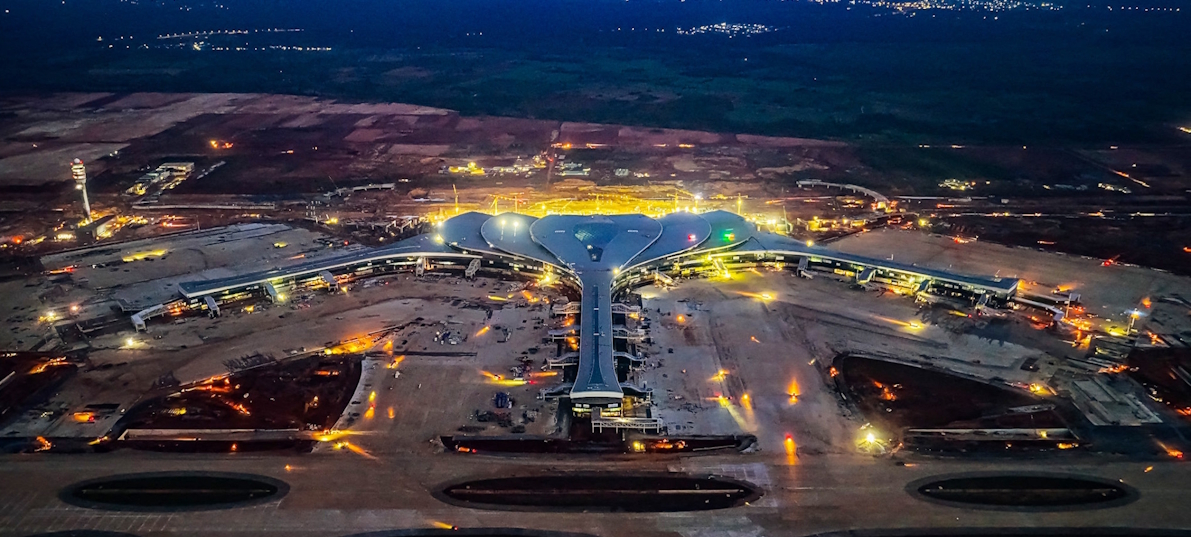
Dong Nai has articulated a clear decarbonization pathway across seven key sectors, with milestones that include a 20 percent emissions reduction by 2030, 45 percent by 2035, carbon neutrality by 2045, and net zero emissions by 2050. This long-term roadmap places the province within the broader global framework of climate-aligned development and sustainable urban transformation.
This vision is further reinforced by institutional reforms aimed at strengthening environmental inspections, enforcing sanctions against violations, and facilitating green investment through administrative simplification. Such reforms are essential because sustainable cities are built not only through infrastructure but through governance systems capable of aligning public policy, market incentives, and environmental accountability.
The province’s commitment to selective investment attraction, green industry, and circular economic models suggests a strategic shift away from growth-at-all-costs paradigms. Instead, Dong Nai is progressively positioning itself as a territory where modernization is inseparable from ecological responsibility and quality of life.
Based on its current achievements and long-term strategic orientation, Dong Nai is gradually constructing the foundations of a modern, resilient, and livable urban region in harmony with nature. In the long term, this direction represents not only an environmental necessity but also a decisive competitive advantage in the global transition toward sustainable and intelligent cities.