Bolivia is rapidly becoming an urban nation, yet its cities are not always being built in ways that ensure livability, integration, and opportunity. As urban expansion accelerates, the challenge is no longer simply growth, but the ability to create functional and inclusive urban systems
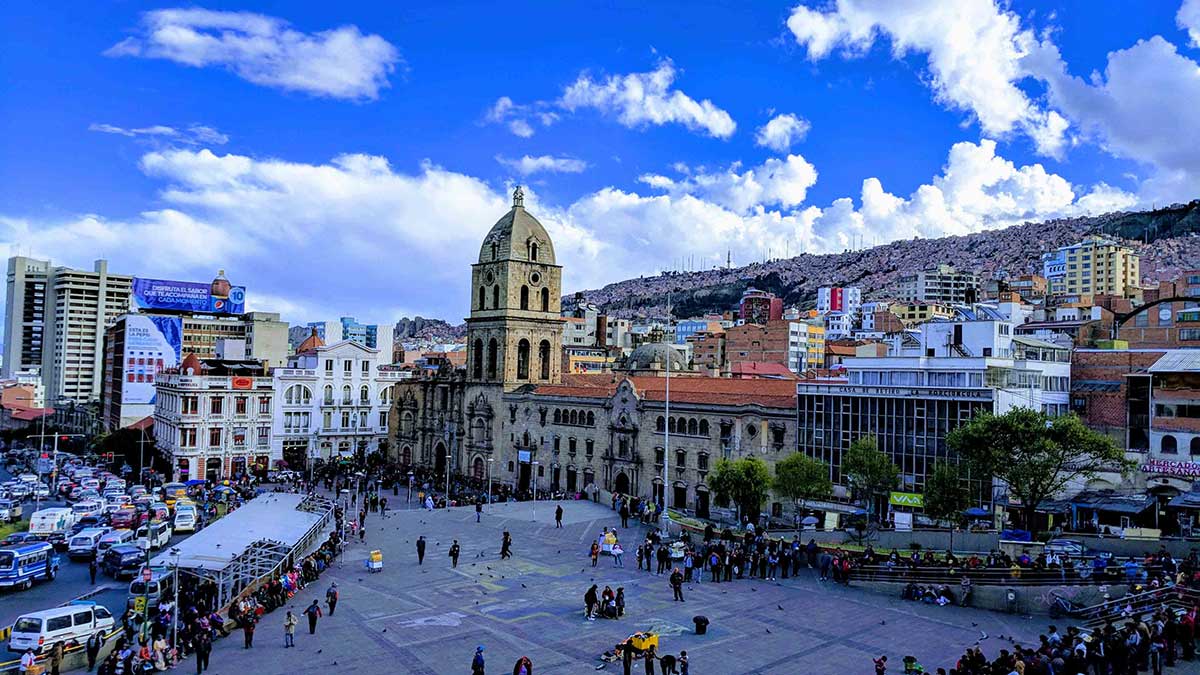
Thinking about Bolivia from an urban perspective does not imply neglecting what lies beyond the boundaries of its cities; rather, it requires a more sophisticated understanding of how deeply urban life is intertwined with rural systems, ecological balances, and territorial infrastructures that extend far beyond the visible urban fabric. Cities do not exist in isolation, but depend structurally on external systems of water provision, food production, environmental regulation, and connectivity networks, which are often located in rural or peri-urban areas and whose stability ultimately determines the sustainability of urban life itself. In this sense, approaching Bolivia’s future through an urban lens necessarily implies recognizing that urbanization is not merely a spatial process, but a systemic transformation that reshapes the relationship between territory, economy, and society.
The Inevitable Urban Future of Bolivia
For decades, Bolivia has framed its development challenges primarily in economic or political terms, often overlooking the structural implications of its ongoing urban transition; however, the country that is emerging will be, above all, urban, and this shift fundamentally redefines the nature of its development agenda. The central challenge is no longer simply to promote growth, but to ensure that this growth translates into functional, inclusive, and resilient urban environments, capable of supporting the everyday lives of millions of citizens who increasingly depend on cities for access to education, employment, healthcare, and mobility.
The magnitude of this transformation is clearly reflected in demographic projections, which indicate that by 2030 approximately 75% of Bolivia’s population will reside in urban areas, according to the World Bank’s 2025 report on urban resilience and climate adaptation. This means that within a relatively short timeframe, three out of every four Bolivians will rely on the performance of their cities to secure their livelihoods and well-being, thereby making urban habitability not just a technical or planning issue, but a central pillar of national development. The critical question, therefore, is no longer whether Bolivia will become urban, but whether its cities will be capable of sustaining dignified and equitable living conditions.
The Structural Confusion Between Urbanization and City-Building
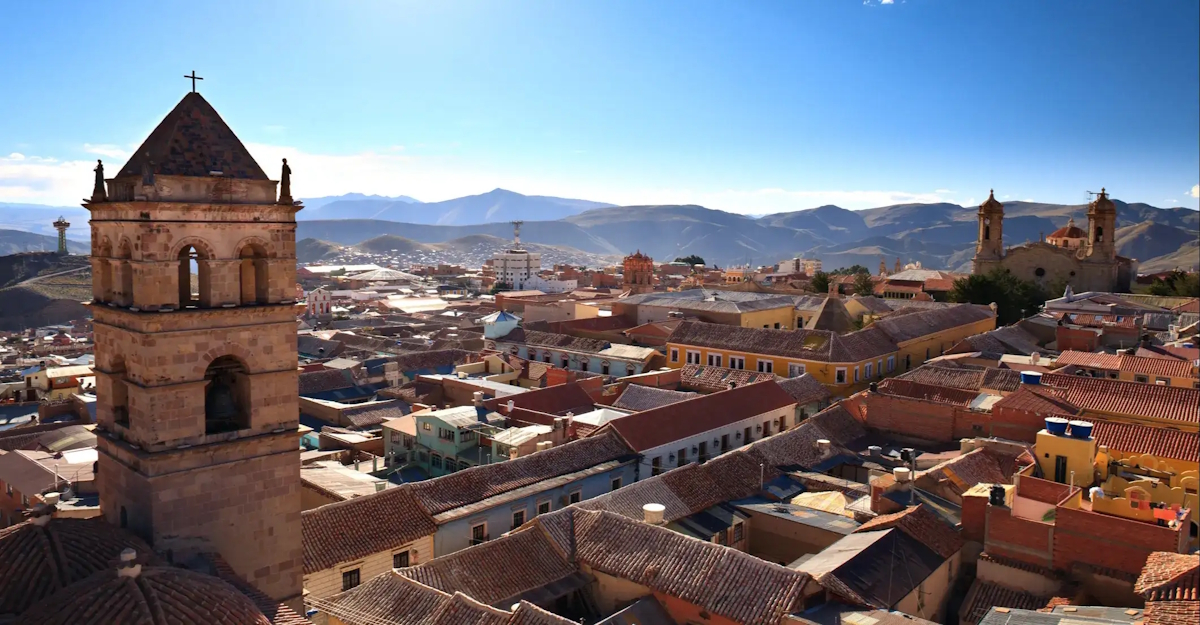
One of the most persistent conceptual challenges in Bolivia’s urban discourse lies in the tendency to equate urbanization with city-building, as if the mere expansion of urban areas, the multiplication of neighborhoods, or the construction of new infrastructure automatically resulted in the creation of a functioning city. Yet this assumption overlooks a fundamental distinction: urban growth, when not guided by coherent planning and integration strategies, can generate fragmentation rather than cohesion, and inequality rather than opportunity.
Building a city, in its full sense, requires much more than physical expansion; it demands the organization of land use in a way that reduces spatial segregation, the strategic alignment of housing and employment opportunities to minimize unnecessary mobility, the provision of reliable and equitable access to basic services, and the creation of interconnected systems that allow individuals to move efficiently and participate fully in urban life. Without these elements, urbanization risks becoming a process of accumulation rather than integration, producing spaces that are urban in form but not in function.
Precarious Urbanization and the Production of Inequality
This structural gap between growth and city-building is particularly evident in the prevalence of informal and precarious settlements across Bolivia’s urban landscape, where, according to the World Bank’s 2021 Systematic Country Diagnostic Update, nearly 48% of the urban population resides in conditions that lack adequate infrastructure, secure tenure, or access to essential services. This statistic reveals that a significant portion of Bolivia’s urban expansion has failed to translate into improved quality of life, instead reinforcing patterns of exclusion and spatial inequality.
In practical terms, this means that many urban residents face daily challenges that stem directly from inadequate planning, such as long and costly commutes due to the separation of residential areas from employment centers, limited access to clean water and sanitation services, and increased exposure to environmental risks such as flooding or landslides in informal settlements located on vulnerable land. For example, in rapidly expanding peripheral areas of cities like La Paz or Santa Cruz, households often spend several hours each day commuting to central zones for work or education, reflecting not only inefficiencies in transport systems but also deeper structural imbalances in urban development.
The Hidden Costs of Poorly Planned Cities
When urban growth is not accompanied by effective planning and governance, its consequences extend far beyond visible spatial disorder, generating a series of hidden costs that accumulate over time and affect both individuals and the broader economy. A poorly structured city does not merely create congestion or inconvenience; it systematically increases the cost of living, reduces productivity, and exacerbates social inequalities, as residents are forced to allocate more time and resources to compensate for deficiencies in infrastructure and services.
These costs manifest in multiple ways, from the economic burden of inefficient transport systems, which increase fuel consumption and travel times, to the social and psychological impacts of living in fragmented environments where access to opportunities is unevenly distributed. Moreover, inadequate urban planning can amplify environmental vulnerabilities, as unregulated expansion often encroaches on ecologically sensitive areas, thereby increasing the risks associated with climate change, such as extreme weather events or water scarcity.
The Challenge of Urban Governance and Strategic Prioritization
Addressing these challenges requires not only technical solutions, but also a fundamental shift in the way cities are governed, particularly in terms of prioritization and long-term vision. Effective urban governance depends on the ability to distinguish between immediate pressures and structural priorities, and to move beyond reactive management toward proactive planning, which anticipates future growth and addresses underlying causes rather than merely responding to symptoms.
In many cases, local authorities are constrained by the urgency of day-to-day issues, such as traffic congestion, infrastructure maintenance, or social unrest, which demand immediate attention but often divert resources and focus away from strategic interventions. However, governing a city cannot be reduced to managing emergencies; it must involve the design and implementation of integrated policies that coordinate land use, infrastructure, and service provision, ensuring that urban systems evolve in a coherent and sustainable manner. Even when resource limitations make it impossible to address all challenges simultaneously, the existence of a clear and comprehensive vision can significantly improve the effectiveness of incremental actions.
Reconnecting the Urban and the Rural
At the same time, any serious approach to urban development in Bolivia must recognize that the sustainability of cities is intrinsically linked to the vitality of rural territories, which provide essential resources and ecosystem services that underpin urban life. The relationship between urban and rural areas should not be understood as a dichotomy, but as an interdependent system that requires coordinated management and balanced development strategies, capable of strengthening both dimensions simultaneously.
For instance, the availability of water in major urban centers depends on the conservation of upstream ecosystems and watershed management practices in rural regions, while food security relies on the productivity and resilience of agricultural systems that are often vulnerable to climate variability. Similarly, transport and logistics networks that connect rural producers with urban markets play a crucial role in shaping both economic opportunities and territorial cohesion. Ignoring these connections risks undermining the very foundations of urban sustainability.
Toward a More Livable and Integrated Urban Future
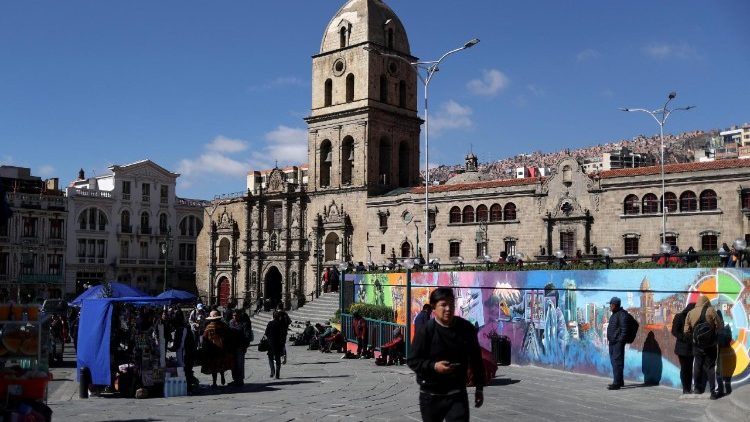
The challenge facing Bolivia’s recently elected departmental and municipal authorities, as well as those still to be determined in subsequent electoral processes, is therefore both urgent and structural, as they must assume responsibility not only for managing cities, but for shaping their long-term habitability. Ensuring that urban growth translates into livable, inclusive, and resilient environments will require a combination of clear priorities, integrated planning, and a deep understanding of the systemic nature of urban development, which goes beyond isolated interventions and demands coordinated action across multiple sectors and scales.
In this context, Bolivia’s development in the twenty-first century will not be defined solely by macroeconomic indicators or political discourse, but by the extent to which it succeeds in transforming its urbanization process into a genuine process of city-building, one that is capable of articulating functional urban systems with a balanced and sustainable territorial framework, thereby creating the conditions for a more equitable and resilient society.